

Idly Kadai
Images
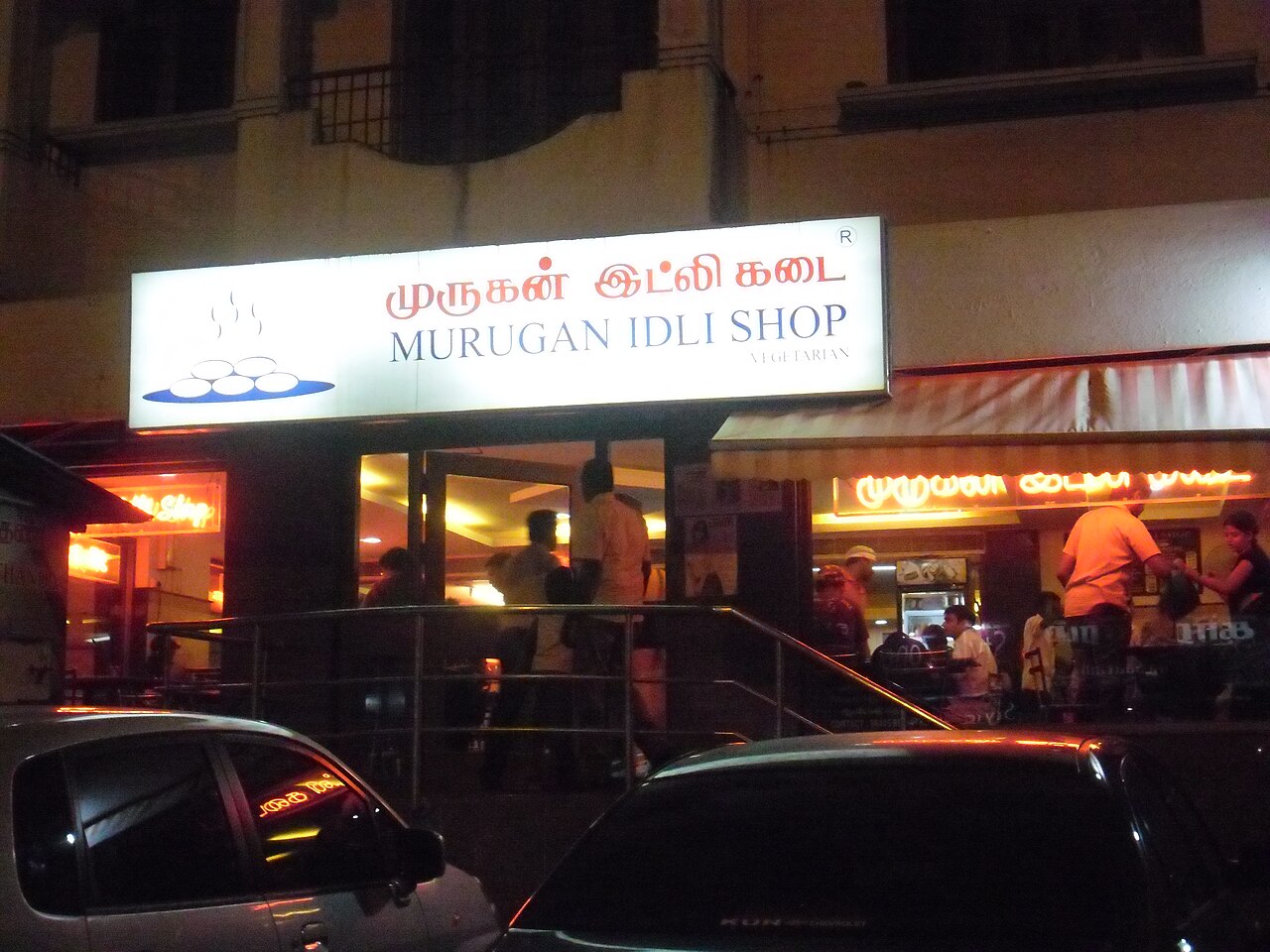
Murugan Idli kadai


The Genesis and Evolution of the Idly Kadai
The Idly Kadai, a multi-tiered steaming apparatus, is intrinsically linked to the history and cultural significance of idli, a fermented rice and lentil cake that is a cornerstone of South Indian cuisine. While the exact origins of idli are debated, its widespread popularity and the development of specialized cooking tools like the Idly Kadai can be traced back several centuries, with early references appearing in Tamil literature. The evolution from simpler steaming methods to the sophisticated, stacked design of the Idly Kadai reflects a growing understanding of culinary science and a desire for efficiency in food preparation.
This vessel’s design is a direct response to the need for uniformly cooked, soft idlis, allowing for mass production within a domestic setting. Its enduring presence in kitchens highlights its functional brilliance and its role in preserving a culinary tradition that has adapted to modern life while retaining its essence.
Engineering for Edibility
The operational principle of the Idly Kadai is a masterful application of steam cooking. The apparatus typically comprises a base pot, often made of stainless steel or aluminum, designed to hold water and generate steam when heated. Stacked vertically above this are one or more perforated plates, each featuring a series of circular molds or indentations.
These molds are usually greased to ensure easy release of the cooked idlis. The fermented batter, a carefully balanced mixture of ground rice and lentils, is poured into these molds. When the base pot is heated, the water boils, producing steam that rises through the perforations in the plates, enveloping and cooking the batter within the molds.
This process ensures even heat distribution, resulting in the characteristic light, spongy texture and delicate flavor of idlis. The multi-tiered design is a key innovation, enabling the simultaneous cooking of numerous idlis, thereby optimizing time and energy.
Nutritional and Socio-Economic Impact of Idli Preparation
The Idly Kadai's significance extends beyond mere culinary utility; it plays a role in the nutritional well-being and socio-economic fabric of communities. Idlis are celebrated for their digestibility and nutritional profile. The fermentation process enhances the bioavailability of nutrients in rice and lentils, making them an excellent source of carbohydrates, protein, and B vitamins.
Their low fat content and ease of digestion make them a universally recommended food, suitable for infants, the elderly, and individuals with gastrointestinal issues. Furthermore, the efficiency of the Idly Kadai democratizes healthy eating. It allows for the preparation of a wholesome meal with relatively simple ingredients, making it an accessible and affordable option for a wide range of households.
This accessibility has contributed to idli's status as a staple, supporting food security and promoting healthy dietary habits across diverse socioeconomic strata.
Cultural Resonance and Modern Adaptations
The Idly Kadai is more than just a kitchen utensil; it is a cultural artifact that embodies the culinary heritage of South India. It represents a tradition of mindful cooking, where ingredients are transformed through time-honored techniques. The ritual of preparing idli batter, the gentle steaming process, and the communal act of sharing idlis are deeply embedded in the cultural landscape.
In contemporary times, the Idly Kadai has seen various adaptations, from electric idli makers that automate the steaming process to innovative designs that cater to smaller households or specific dietary needs. Despite these advancements, the fundamental principle of the Idly Kadai-its ability to harness steam for creating a perfect idli-remains unchanged, underscoring its timeless relevance and enduring appeal in the global culinary scene.
See also
Frequently Asked Questions
What is an Idly Kadai?+
How does the Idly Kadai make idlis?+
Why do idlis made in an Idly Kadai taste fluffy?+
Where did people first use an Idly Kadai?+
Are idlis healthy to eat?+
Based on content from Wikipedia · Licensed under CC BY-SA 4.0