

Hormones: Your Body's Tiny Messengers!
Images
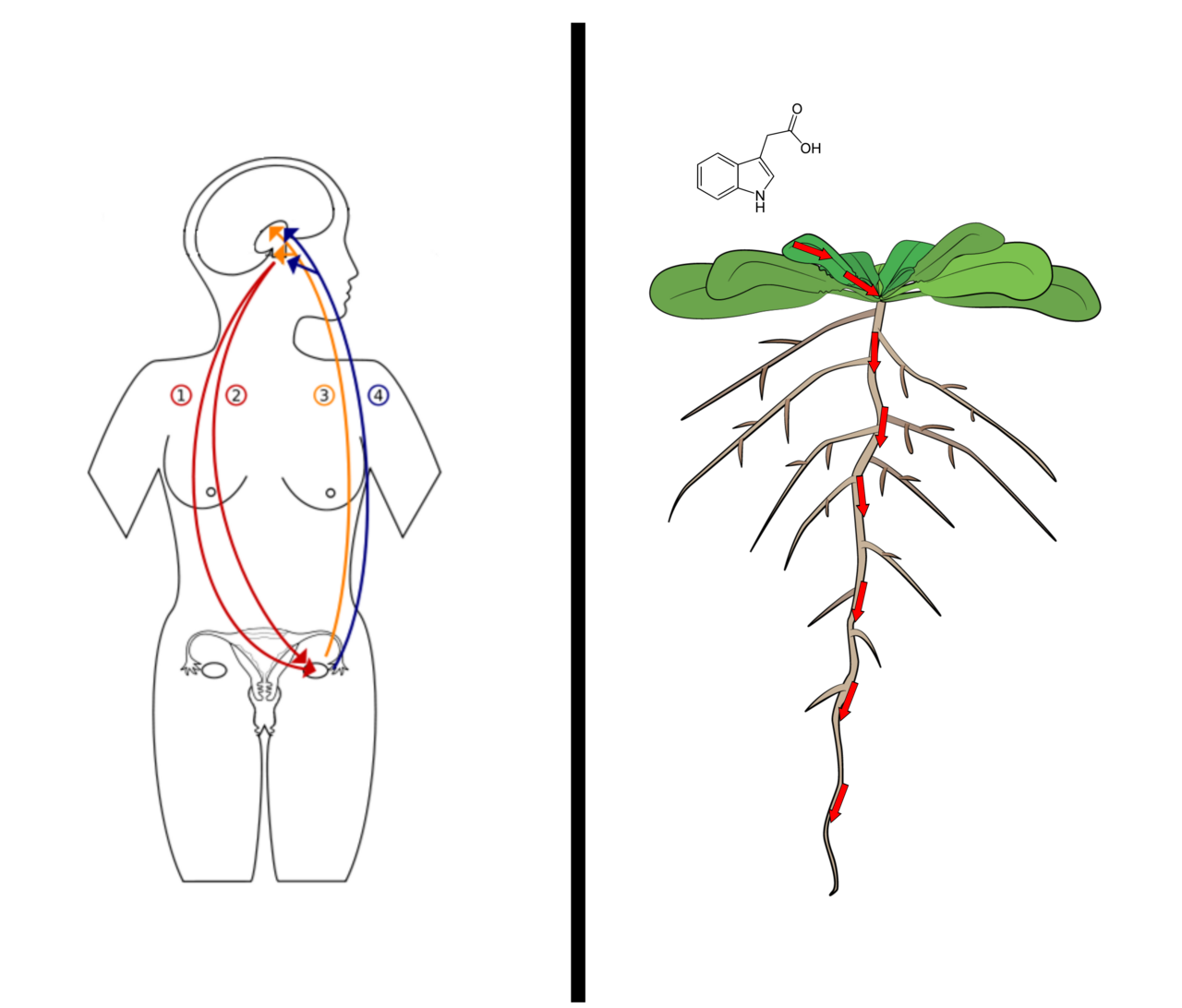
Hormone


The Endocrine Network
Hormones represent a sophisticated communication system within multicellular organisms, primarily functioning as chemical messengers. Produced by endocrine glands, these molecules are secreted into the circulatory system, allowing them to reach distant target tissues and organs. The specificity of hormonal action is dictated by the presence of cognate receptors on or within these target cells.
Upon binding, hormones initiate intracellular signaling cascades that modulate cellular functions, gene expression, and ultimately, physiological processes. This system is responsible for orchestrating a vast array of biological activities, including growth and development, metabolism, reproduction, immune function, and behavioral responses. The precise regulation of hormone synthesis, secretion, transport, and degradation is critical for maintaining homeostasis, the stable internal environment essential for life.
Dysregulation of this intricate network can lead to a wide spectrum of diseases and disorders.
From Ancient Observations to Modern Endocrinology
The scientific understanding of hormones evolved over centuries, beginning with empirical observations of physiological changes. Early medical texts noted the effects of castration on physical development, hinting at internal secretions. The late 19th century saw crucial experimental work, such as Claude Bernard's concept of the 'milieu intérieur' and the isolation of secretin by Ernest Starling and William Bayliss in 1902, which they termed a 'chemical messenger' or 'hormone.' This discovery solidified the concept of endocrine signaling.
The early 20th century witnessed the identification of numerous hormones, including insulin, thyroxine, and adrenal hormones, leading to the establishment of endocrinology as a distinct medical field. Advances in biochemistry, molecular biology, and genetics have since elucidated the complex molecular mechanisms of hormone action, receptor signaling, and gene regulation, transforming our understanding and therapeutic approaches.
The Profound Significance of Hormones in Human Health and Disease
Hormones are indispensable for virtually all aspects of human health. They are the primary drivers of growth and maturation, from fetal development through puberty and into adulthood. During adolescence, sex hormones like estrogen and testosterone orchestrate the complex physical and psychological changes associated with sexual maturation.
Hormones are also central to metabolic regulation; insulin and glucagon maintain blood glucose homeostasis, while thyroid hormones govern basal metabolic rate. The stress response, mediated by hormones like cortisol and adrenaline, allows organisms to adapt to challenging environments. Furthermore, hormones profoundly influence mood, cognition, and behavior, with imbalances linked to conditions such as depression, anxiety, and cognitive decline.
Disruptions in hormonal signaling are implicated in numerous diseases, including diabetes, thyroid disorders, reproductive issues, and certain cancers, underscoring their critical role in maintaining health.
Mechanisms of Hormone Action
Hormones employ diverse mechanisms to exert their effects, broadly categorized by their chemical structure and solubility. Steroid hormones (e.g., cortisol, sex hormones) and thyroid hormones are lipid-soluble, allowing them to readily cross cell membranes and bind to intracellular receptors (cytoplasmic or nuclear). These hormone-receptor complexes then interact directly with DNA, modulating gene transcription and protein synthesis. In contrast, peptide and protein hormones (e.g., insulin, growth hormone) and catecholamines (e.g., adrenaline) are water-soluble and cannot easily penetrate the cell membrane.
They bind to specific cell-surface receptors, initiating signal transduction pathways involving second messengers like cyclic AMP (cAMP) or calcium ions. These pathways amplify the hormonal signal, leading to a variety of cellular responses, such as enzyme activation or changes in ion channel permeability. The intricate interplay of these signaling pathways allows for precise fine-tuning of physiological processes.
Hormonal Applications and Therapeutic Innovations
The profound understanding of hormones has revolutionized medicine, leading to numerous therapeutic applications. Hormone replacement therapy (HRT) is used to treat deficiencies, such as insulin for diabetes, thyroid hormone for hypothyroidism, and growth hormone for growth disorders. Sex hormone therapies are employed in contraception, fertility treatments, and managing menopausal symptoms.
The development of synthetic hormones and hormone antagonists has provided powerful tools for managing conditions like cancer (e.g., anti-estrogens for breast cancer) and autoimmune diseases. Furthermore, hormonal signaling pathways are targets for drug development across a wide range of diseases. Research continues to explore the complex roles of hormones in areas like aging, neurodegenerative diseases, and mental health, promising further advancements in personalized medicine and disease prevention.
Go deeper
Frequently Asked Questions
What are hormones?+
How do hormones find the right cells?+
Why do hormones help us grow and feel emotions?+
What happens if hormones are not balanced?+
When did scientists first discover hormones?+
Based on content from Wikipedia · Licensed under CC BY-SA 4.0