

High throughput biology
Images
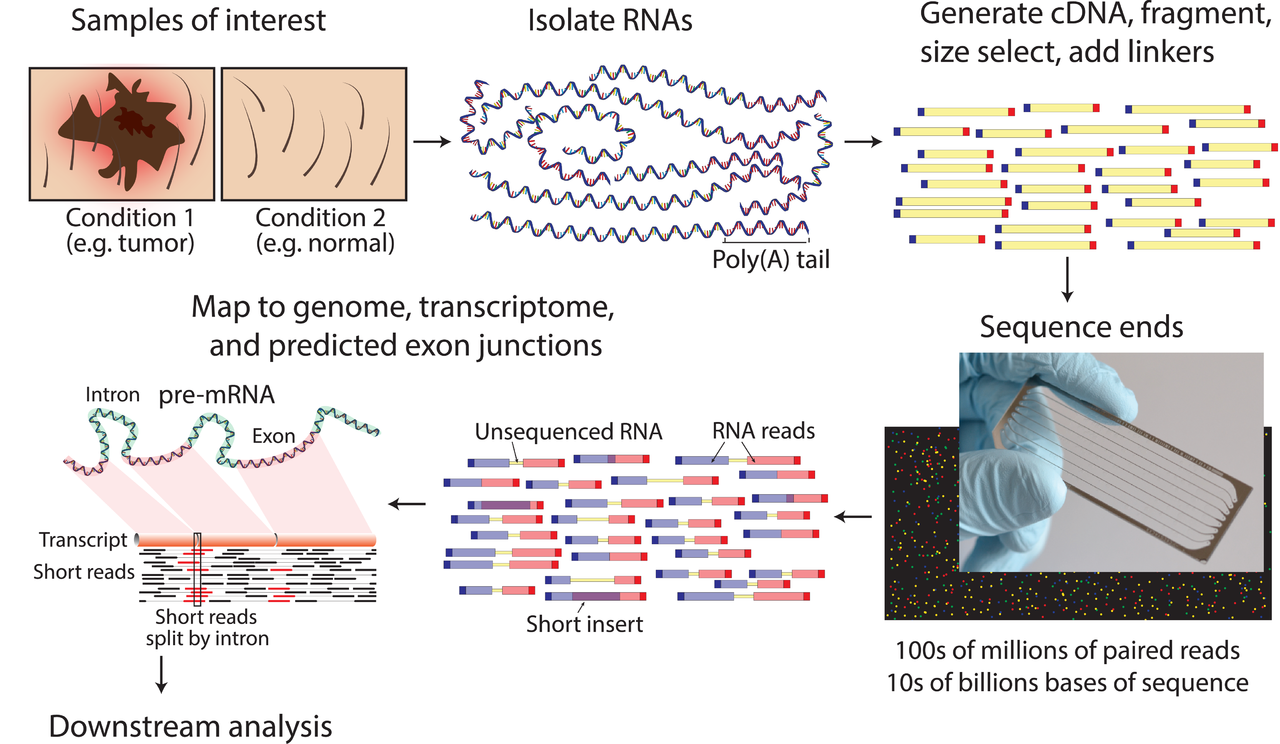
Journal.pcbi.1004393.g002


The Paradigm Shift
High throughput biology represents a fundamental shift in scientific methodology, moving beyond conventional, single-experiment approaches to address biological questions that demand unprecedented scale and speed. At its core, it involves the integration of automation equipment with established biological techniques to enable highly parallelized research. This allows scientists to investigate cellular functions, intercellular interactions, and the mechanisms of disease at a pace and scope previously unattainable.
By automating repetitive tasks and increasing the number of experiments conducted simultaneously, researchers can explore vast biological landscapes, from the intricate workings of individual cells to the complex interactions within entire genomes. This approach is not merely about doing more experiments; it is about enabling entirely new types of scientific inquiry that were logistically impossible with traditional methods, thereby accelerating the pace of discovery across numerous biological disciplines.
High Throughput Screening
Perhaps the most prominent application of high throughput biology is high throughput screening (HTS). HTS is a cornerstone of modern drug discovery, enabling the rapid testing of millions of chemical compounds or natural products for biological activity. The process typically involves miniaturized assays performed in multi-well plates, where vast libraries of substances are screened against specific biological targets or cellular models of disease.
Automated liquid handling systems, robotic arms, and sophisticated detection instruments work in concert to process thousands of samples per day. Computers play a critical role in managing the data, identifying hits, and guiding subsequent optimization. This systematic, large-scale approach has been instrumental in identifying lead compounds for a wide range of therapeutic areas, including oncology, infectious diseases, and autoimmune disorders, significantly reducing the time and cost associated with the early stages of drug development.
Case Studies in Success
The impact of high throughput screening is vividly illustrated by the discovery of drugs like Sorafenib and Maraviroc. Sorafenib (Nexavar), a multi-kinase inhibitor used to treat various cancers, emerged from a screening effort that evaluated approximately 200,000 compounds. This extensive screening identified molecules capable of inhibiting RAF kinase, a key target in cancer cell proliferation.
The subsequent development involved identifying anti-angiogenic effects, crucial for its efficacy. Similarly, Maraviroc, an important HIV entry inhibitor, was discovered through HTS. The screening process identified compounds that could block the CCR5 co-receptor, preventing HIV from entering host cells.
These examples underscore how HTS, by enabling the exploration of immense chemical diversity, directly leads to the identification of novel therapeutic agents that address significant unmet medical needs.
Integration with Omics and the Future of Biological Research
High throughput biology is a critical component of the broader 'omics' revolution, which aims to comprehensively characterize biological systems at the molecular level. Techniques such as genomics, transcriptomics, proteomics, and metabolomics inherently generate massive datasets that require high throughput approaches for analysis. For instance, genome-wide association studies (GWAS) or RNA sequencing (RNA-Seq) involve analyzing the entire genome or transcriptome, respectively.
High throughput methods, including microarrays and next-generation sequencing, are essential for processing this data. By enabling the simultaneous measurement of thousands or millions of biological variables, high throughput biology provides a holistic view of cellular processes and disease mechanisms. This integration with omics technologies is paving the way for personalized medicine, advanced diagnostics, and a deeper understanding of life's fundamental complexities.
See also
Frequently Asked Questions
What is high throughput biology?+
Why do scientists use high throughput screening?+
How does high throughput biology help find new drugs?+
What is a high throughput screening plate?+
Where is high throughput biology used?+
Based on content from Wikipedia · Licensed under CC BY-SA 4.0