

Herstal
Images
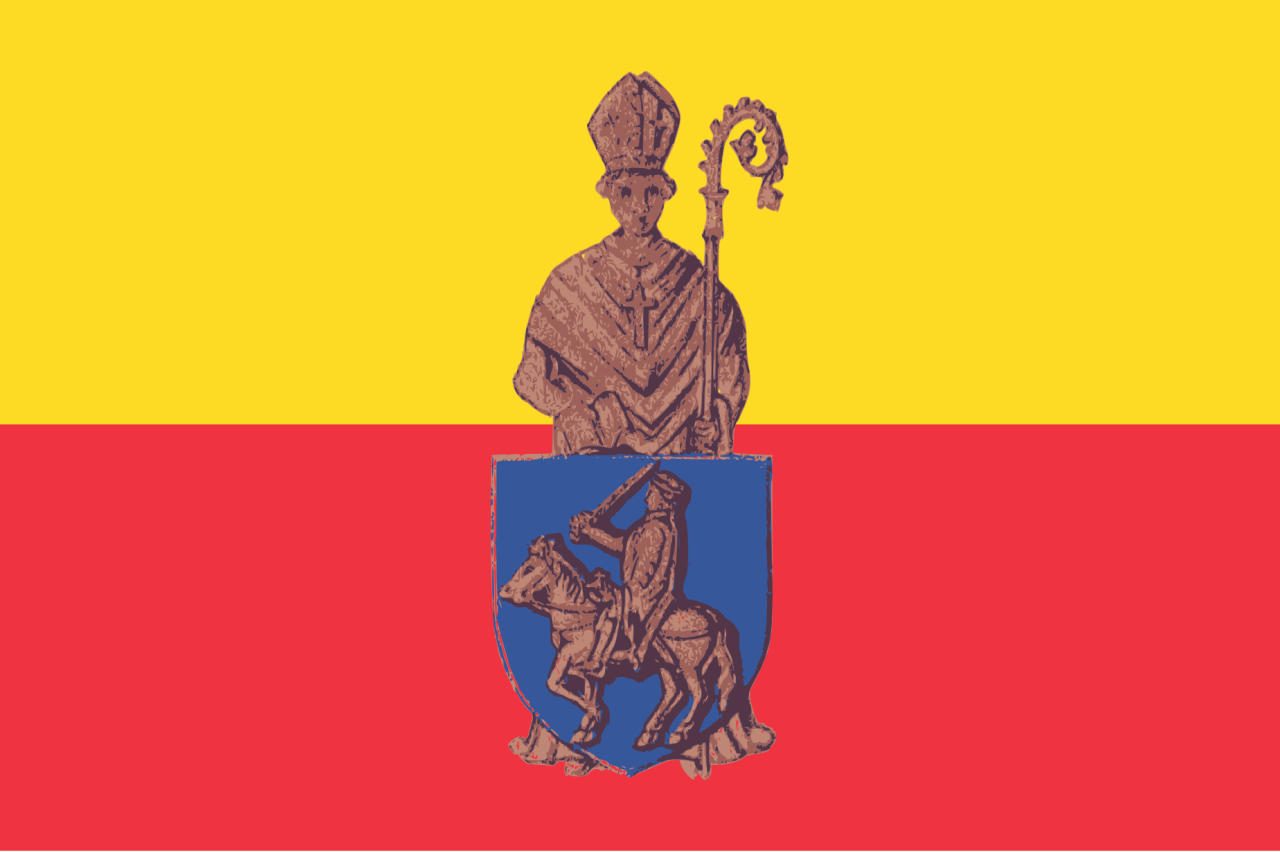
Flag of Herstal


Geographical Context and Urban Integration
Herstal is a significant municipality situated in the Wallonia region of Belgium, strategically positioned along the Meuse River. Its geographical placement is not merely scenic; it has historically been crucial for trade and development. Herstal is an integral component of the 'Greater Liège' agglomeration, a vast metropolitan area encompassing approximately 600,000 inhabitants.
This integration means Herstal shares in the economic, social, and infrastructural dynamics of a major urban center. The municipality is administratively divided into districts including Herstal, Liers, Milmort, and Vottem, each contributing to the diverse urban tapestry. The Meuse River, a vital artery flowing through Europe, provides Herstal with direct access to extensive waterway networks, historically facilitating commerce and connecting it to broader European markets.
Industrial Legacy and Economic Drivers
The identity of Herstal is inextricably linked to its robust industrial heritage, most notably embodied by the Fabrique Nationale (FN) factory. FN, a name historically associated with the production of armaments, has evolved over time, diversifying into sectors such as aerospace components and firearms manufacturing. This single entity, alongside the Haut-Sart industrial zone-recognized as the largest in Wallonia-forms the bedrock of the local economy.
These industrial powerhouses are not only major employers but also critical drivers of regional economic activity, attracting skilled labor and fostering technological advancement. The concentration of industry in Herstal underscores its role as a key manufacturing hub within Belgium, contributing significantly to the nation's industrial output and export capabilities.
Socio-Cultural Landscape and Linguistic Identity
As part of the Wallonia region, Herstal's primary language is French. The city's socio-cultural fabric is shaped by its industrial past and its integration into the Greater Liège agglomeration. While specific cultural traditions are not detailed in the provided source, the nature of a large industrial city suggests a dynamic population, likely comprising both long-standing families and individuals drawn to the area for employment opportunities.
This demographic mix fosters a diverse community with varied perspectives and experiences. The urban planning and development of Herstal, influenced by its industrial needs and its position along the Meuse, have created a distinct urban environment where residential areas coexist with significant industrial infrastructure.
Governance and Municipal Structure
Herstal operates as a municipality within the Belgian federal system, falling under the administrative purview of the Wallonia region and the province of Liège. Its governance structure would typically involve a municipal council and a mayor, responsible for local administration, public services, and urban planning. As part of the Greater Liège agglomeration, Herstal's local governance likely coordinates with regional authorities on broader strategic initiatives, such as transportation, economic development, and environmental management.
The city's administrative division into districts-Herstal, Liers, Milmort, and Vottem-allows for localized management and representation within the broader municipal framework, ensuring that the specific needs of each area are addressed.
The Role of Education and Workforce Development
While the provided text does not explicitly detail educational institutions in Herstal, the presence of major industrial employers like FN and the extensive Haut-Sart industrial zone strongly implies a significant focus on vocational training and higher education relevant to manufacturing, engineering, and technology. For a city reliant on industry, a skilled workforce is paramount. Educational institutions in the Greater Liège area likely offer programs designed to meet the demands of these sectors, from apprenticeships to university-level engineering degrees.
The symbiotic relationship between industry and education is crucial for Herstal's continued economic vitality, ensuring a pipeline of qualified professionals to sustain its manufacturing base and adapt to evolving technological landscapes.
See also
Frequently Asked Questions
What is Herstal?+
Why is the Meuse River important to Herstal?+
What are the main industries in Herstal?+
How is Herstal connected to Greater Liège?+
What language do people in Herstal speak?+
Based on content from Wikipedia · Licensed under CC BY-SA 4.0