

Hemp
Images

Hemp Milk



Defining a Distinct Cannabis Cultivar
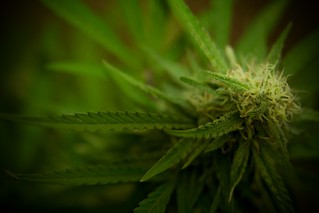
Hemp, scientifically classified as a cultivar group within the species Cannabis sativa, represents a distinct lineage developed for specific industrial and consumable purposes. Unlike its chemotype I counterparts, often referred to as marijuana, hemp cultivars (typically chemotypes II, III, IV, V) are characterized by significantly lower concentrations of delta-9-tetrahydrocannabinol (THC), the primary psychoactive compound. Instead, hemp often exhibits higher levels of cannabidiol (CBD), a non-psychoactive cannabinoid that may even mitigate THC's effects.
This phytochemical distinction is crucial, as it underpins hemp's legal status and diverse applications. The global regulation of hemp often hinges on these precise THC concentration thresholds, permitting only low-THC varieties for commercial production. Understanding this botanical and chemical divergence is key to appreciating hemp's unique role in human civilization and its potential for future innovation.
Echoes of Antiquity
The history of hemp is deeply interwoven with the development of human civilization, marking it as one of the earliest cultivated plants. Evidence suggests that humans began spinning hemp into usable fiber as far back as 50,000 years ago. This ancient mastery of hemp provided essential materials for survival and progress. Its strong, durable fibers were transformed into ropes crucial for early tool-making, construction, and transportation.
Textiles woven from hemp provided clothing and shelter, offering protection and comfort. The plant's rapid growth cycle and adaptability to various climates made it a reliable and accessible resource for communities worldwide. This foundational use of hemp laid the groundwork for many subsequent technological advancements, solidifying its status as a cornerstone crop in ancient economies and cultures before the advent of more specialized crops and synthetic materials.
The Ecological and Economic Imperative of Hemp
In an era increasingly defined by environmental concerns and the search for sustainable resources, hemp stands out as a crop with profound ecological and economic significance. Its rapid growth rate, often reaching maturity in as little as four months, allows for multiple harvests per year and efficient land use. Hemp requires significantly less water compared to cotton and typically needs minimal pesticides or herbicides due to its natural resilience, reducing chemical runoff and soil degradation.
Economically, hemp's versatility translates into a vast array of high-value products. From biodegradable plastics that offer an alternative to petroleum-based materials, to paper production that can alleviate pressure on forests, and textiles that are both durable and comfortable, hemp offers a pathway to a more circular economy. Furthermore, its potential as a biofuel source contributes to energy independence and reduced carbon emissions, making it a critical component in strategies for a greener future.
From Fiber to Food
The utility of hemp spans an astonishing range of applications, demonstrating its remarkable adaptability. Industrially, its long, strong bast fibers are processed into a variety of materials. These include robust textiles for clothing, durable ropes and twines, and high-quality paper that can be produced without harsh bleaching chemicals.
Hemp hurds, the woody inner core of the stalk, are utilized in animal bedding, construction materials like hempcrete (a bio-composite that is both insulating and fire-resistant), and even as absorbent materials. Beyond structural and textile uses, hemp seeds and their derivatives are gaining prominence in the food industry. Rich in protein, essential fatty acids (omega-3 and omega-6), and various vitamins and minerals, hemp seeds are consumed whole, as hemp hearts, or processed into nutrient-dense oils and milk.
This dual capacity for industrial and nutritional output underscores hemp's unique position as a truly multifaceted crop.
Hemp's Place in Modern Innovation and Regulation
Today, hemp is experiencing a resurgence, driven by innovation and a growing demand for sustainable alternatives. Researchers and manufacturers are exploring novel applications, from advanced composites and bioplastics to specialized textiles and even pharmaceutical applications leveraging its CBD content. This renewed interest, however, is tempered by complex regulatory landscapes that vary significantly across different countries and regions.
The historical association with drug-type cannabis has led to stringent controls, often requiring specific licensing, testing for THC levels, and adherence to cultivation quotas. As scientific understanding of hemp's distinct properties deepens and its economic potential becomes clearer, there is an ongoing global effort to refine these regulations, aiming to unlock hemp's full benefits while ensuring responsible production and use. This evolving legal and industrial framework positions hemp as a key player in shaping future sustainable industries.
See also
Frequently Asked Questions
What is hemp?+
How is hemp different from marijuana?+
Why is hemp good for the environment?+
What can people make from hemp?+
When did people first use hemp?+
Based on content from Wikipedia · Licensed under CC BY-SA 4.0