

Heliconia: Nature's Rainbow Flowers!
Images

Heliconia


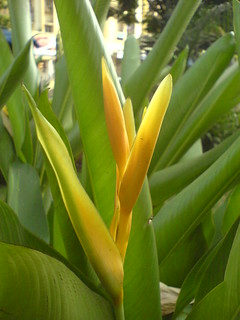
Morphological Marvels
The genus Heliconia, comprising over 200 species within the family Heliconiaceae, is renowned for its spectacular and highly specialized inflorescences. Unlike typical flowers, the visual spectacle of Heliconia is dominated by brightly colored, waxy bracts, which are essentially modified leaves. These bracts can be arranged in various forms, including erect spikes, pendulous racemes, or boat-shaped structures, leading to common names like 'lobster claw' or 'false bird-of-paradise.' The true flowers are small, inconspicuous, and tubular, nestled within these vibrant bracts.
This morphology is a testament to co-evolutionary pressures, particularly with avian pollinators. The waxy cuticle of the bracts likely serves to protect against desiccation and microbial invasion, while their intense coloration acts as a powerful visual attractant in the often dimly lit rainforest understory. The structural diversity of these bracts also influences water retention, creating small reservoirs that can support micro-ecosystems for insects and amphibians.
The Neotropical Heartbeat
Heliconias are predominantly found in the Neotropics, with their center of diversity in the humid tropical forests of Central and South America, particularly in regions like the Amazon basin and the Andes foothills. They also extend their range to the Caribbean islands and have naturalized or been introduced to parts of Southeast Asia and the Pacific Islands. These plants are characteristic of tropical and subtropical moist broadleaf forests, thriving in environments with high humidity, consistent rainfall, and moderate temperatures.
They typically inhabit the forest understory, often in riparian zones along rivers and streams, or in clearings where they receive filtered sunlight. Their preference for these specific microclimates underscores their sensitivity to environmental conditions and their role as indicators of healthy tropical ecosystems. The geographical distribution reflects ancient migratory patterns and adaptive radiation across diverse tropical landscapes.
Avian Architects of Reproduction
The ecological significance of Heliconia is most profoundly illustrated by its obligate or near-obligate mutualistic relationship with hummingbirds. The tubular morphology of Heliconia flowers, coupled with their high nectar sugar concentration, is exquisitely adapted for pollination by hummingbirds. The depth and diameter of the corolla and calyx, along with the position of the anthers and stigma, are precisely matched to the beak length and feeding behavior of specific hummingbird species.
As a hummingbird probes for nectar, its head and breast come into contact with the flower's reproductive parts, facilitating pollen transfer. This specialized interaction ensures high pollination efficiency for the plant and a reliable, energy-rich food source for the hummingbird. This co-evolutionary dance has shaped both the floral architecture of Heliconia and the feeding apparatus and foraging strategies of many hummingbird populations, demonstrating a classic example of reciprocal adaptation.
Ecological Roles Beyond Pollination and Horticultural Value
While the mutualism with hummingbirds is central, Heliconias contribute to their ecosystems in multifaceted ways. The nectar also serves as a food source for other nectarivores, including certain insects like bees and butterflies, though their pollination efficiency is often lower than that of hummingbirds. The water-collecting bracts provide crucial microhabitats, supporting populations of small invertebrates and even serving as nurseries for tree frog tadpoles.
In disturbed habitats or forest edges, Heliconias can act as pioneer species, colonizing open areas and providing early floral resources. Furthermore, their striking beauty has led to significant horticultural and commercial value. They are widely cultivated as ornamental plants, used in landscaping, and are a staple in the cut flower industry, valued for their exotic appearance and longevity.
This commercial interest, however, also raises questions about sustainable harvesting and the potential impact of cultivation on wild populations and genetic diversity.
See also
Frequently Asked Questions
What are Heliconia plants?+
Why do Heliconia flowers look like birds?+
How do Heliconia help hummingbirds?+
Where do Heliconia grow?+
What special feature do Heliconia bracts have?+
Based on content from Wikipedia · Licensed under CC BY-SA 4.0