

Gunpowder: The Sparky Stuff!
Images
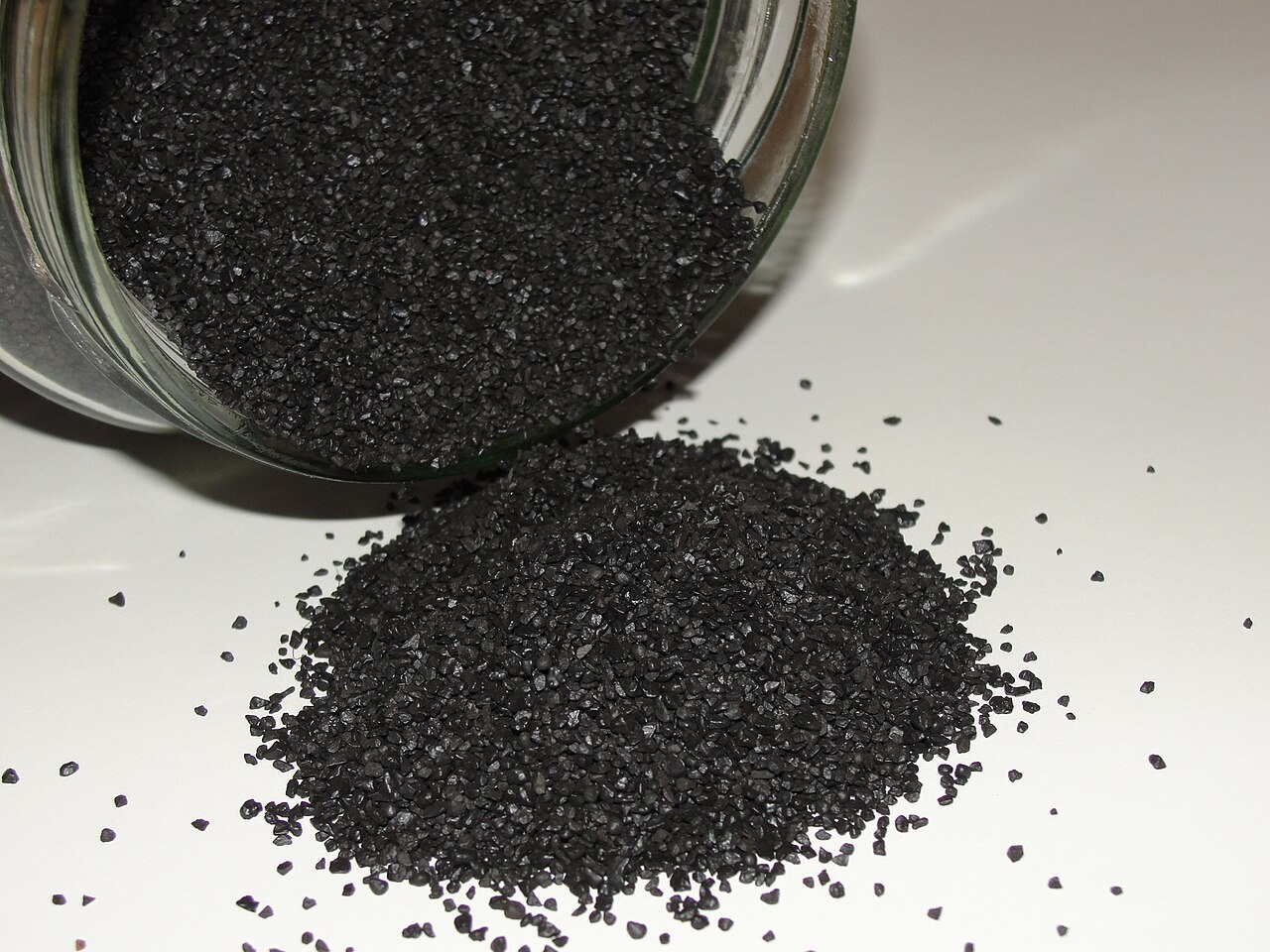
Gunpowder


The Genesis of Black Powder
Gunpowder, scientifically known as black powder, represents a monumental leap in humanity's ability to harness chemical energy. Its origins are firmly rooted in ancient China, with evidence suggesting its discovery by Daoist alchemists around the 9th century CE. These early practitioners were not seeking an explosive but rather an elixir of immortality, experimenting with various minerals and organic compounds.
The serendipitous combination of saltpeter (potassium nitrate), charcoal, and sulfur yielded a substance that, when ignited, produced a rapid, exothermic reaction. Initially, its applications were diverse, ranging from incendiary devices and signaling flares to medicinal concoctions and, notably, fireworks for imperial celebrations. The earliest documented military uses appeared by the 10th century, with rudimentary rockets and explosive projectiles.
The transmission of this knowledge westward, likely through trade routes like the Silk Road, introduced black powder to the Islamic world and subsequently to Europe by the 13th century. This diffusion marked the beginning of a profound global shift, as societies grappled with the implications of this potent new technology.
The Energetics of Black Powder
The efficacy of gunpowder stems from a carefully balanced chemical reaction. The primary components are: saltpeter (KNO₃), acting as the oxidizer, supplying oxygen; charcoal (primarily carbon, C), serving as the fuel; and sulfur (S), which acts as a stabilizer, lowers the ignition temperature, and increases the reaction rate. When initiated by a spark or flame, the saltpeter decomposes, releasing oxygen that rapidly combusts the charcoal and sulfur.
This process generates a large volume of gases, predominantly nitrogen (N₂) and carbon dioxide (CO₂), along with solid byproducts like potassium carbonate (K₂CO₃) and potassium sulfide (K₂S). The critical factor is the speed of this reaction and the subsequent rapid expansion of these gases. In a confined space, such as a gun barrel or a mine shaft, the pressure exerted by these expanding gases can reach thousands of pounds per square inch, capable of propelling projectiles or fracturing rock.
The specific proportions of the ingredients can be adjusted to tailor the burn rate and explosive power for different applications.
Transforming Warfare, Engineering, and Society
The impact of gunpowder on human civilization is almost immeasurable. Militarily, it rendered traditional fortifications like castles largely obsolete, necessitating the development of new defensive structures and siege tactics. The advent of firearms and artillery democratized warfare to some extent, empowering infantry and challenging the dominance of armored knights.
This shift contributed to the decline of feudalism and the rise of centralized nation-states with standing armies. Beyond the battlefield, gunpowder revolutionized civil engineering and resource extraction. Controlled blasting with black powder enabled the construction of canals, tunnels, and railways, facilitating trade and industrialization. Mining operations became significantly more efficient, allowing access to deeper mineral deposits.
The psychological and symbolic power of gunpowder also extended to its use in fireworks, which became elaborate displays of artistry and power, often used by rulers to project authority and celebrate victories.
Evolution and Legacy
The journey of gunpowder from its nascent forms to its modern applications is a story of continuous refinement. Early Chinese rockets, essentially gunpowder-filled tubes attached to arrows, evolved into more sophisticated artillery pieces in Europe. The development of cannons, mortars, and eventually handheld firearms like muskets and rifles dramatically altered military engagements.
While black powder remains a crucial component in many fireworks and is still used as a propellant in some firearms and historical reenactments, it has largely been superseded in military contexts by more powerful and stable smokeless powders and high explosives. Nevertheless, the fundamental principle of rapid gas expansion for propulsion and demolition, pioneered by black powder, continues to underpin much of modern technology, from internal combustion engines to rocket propulsion systems. Its legacy is etched into the very fabric of global history, power dynamics, and technological advancement.
Global Dissemination and Geopolitical Ramifications
The spread of gunpowder technology was not uniform and had profound geopolitical consequences. As it moved from East to West, it equipped burgeoning European powers with a decisive military advantage over societies that had not yet adopted or mastered its use. This technological disparity played a significant role in the Age of Exploration and subsequent colonial expansion, enabling European nations to conquer vast territories.
The ability to project power through gunpowder weapons fundamentally reshaped global trade routes, political alliances, and the distribution of wealth and influence. The arms race that ensued spurred further innovation in metallurgy, ballistics, and manufacturing. The very existence of gunpowder forced societies to adapt their defenses, economies, and social structures, demonstrating its pervasive influence far beyond the battlefield.
Its introduction marked a definitive turning point, ushering in an era where gunpowder-based weaponry became a primary determinant of state power and international relations.
Go deeper
Frequently Asked Questions
What is gunpowder made of?+
How does gunpowder make fireworks light up?+
Why did gunpowder make castles less useful?+
Where did people first discover gunpowder?+
How did gunpowder help build tunnels and railways?+
Based on content from Wikipedia · Licensed under CC BY-SA 4.0