

Grigori Rasputin
Images
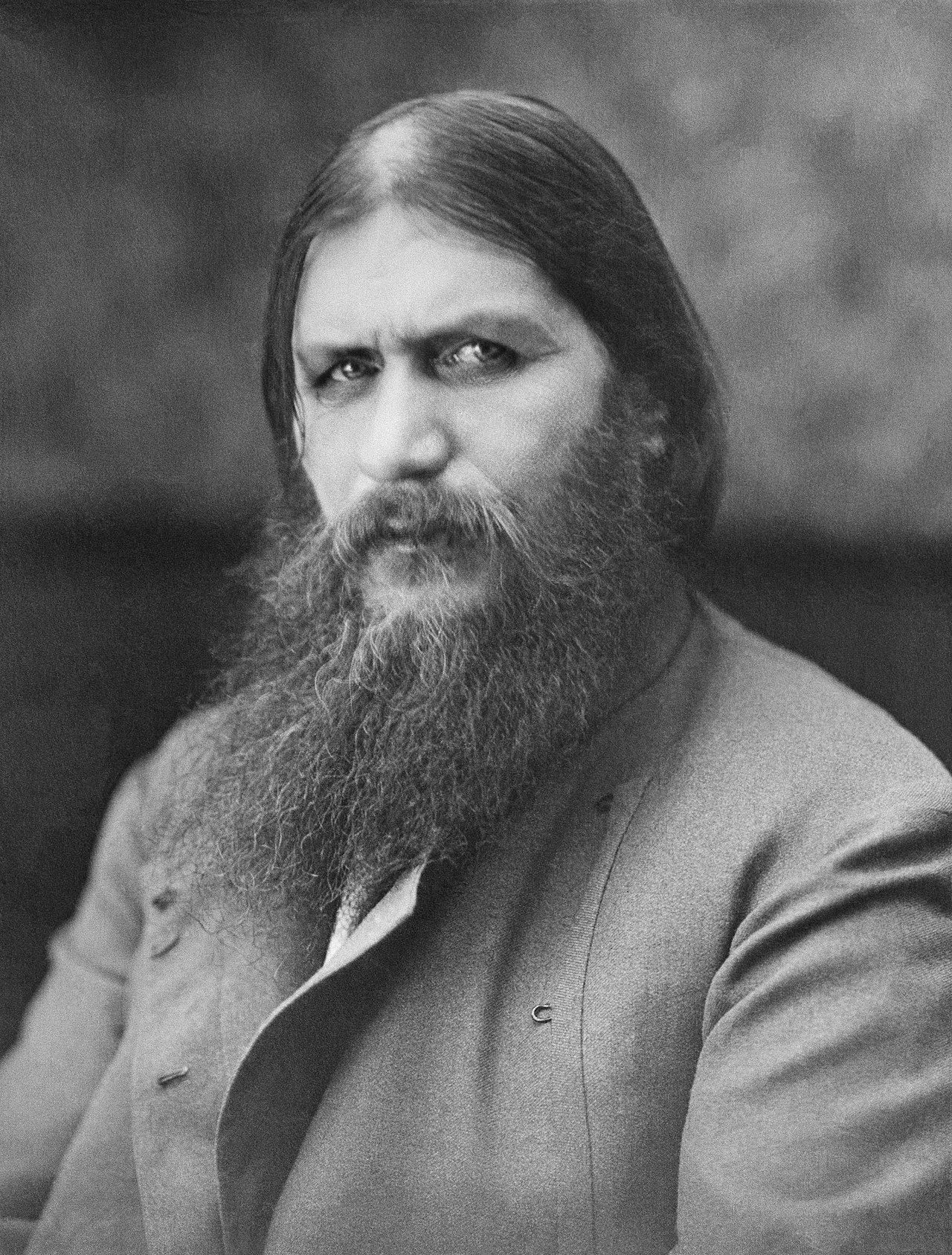
Grigori Rasputin
From Siberian Peasant to Imperial Confidant
Grigori Yefimovich Rasputin emerged from the remote Siberian village of Pokrovskoye, born into a peasant family in 1869. His early life was marked by a profound spiritual awakening, leading him to become a strannik, or wanderer, seeking religious truth. This journey culminated in a pilgrimage that solidified his reputation as a man of God.
By the early 1900s, he had arrived in Saint Petersburg, the glittering capital of the Russian Empire. Here, his charismatic personality and claims of divine connection captivated religious and social elites. His pivotal meeting with Tsar Nicholas II and Empress Alexandra Feodorovna in 1905 marked the beginning of his ascent to unprecedented influence within the highest echelons of power, transforming him from a rural mystic into a central figure in imperial politics.
The Miracle Worker and the Heir's Affliction
Rasputin's most significant leverage over the imperial family stemmed from his relationship with Alexei Nikolaevich, the Tsarevich, who suffered from hemophilia. This debilitating genetic disorder meant that even minor injuries could lead to life-threatening hemorrhages. Rasputin's interventions, whether through prayer, hypnosis, or other methods, appeared to alleviate Alexei's suffering and control his bleeding episodes, earning him the deep gratitude and unwavering faith of Empress Alexandra.
In the absence of the Tsar, who was often away leading the Russian army during World War I, Rasputin and Alexandra effectively governed, wielding considerable power and making crucial decisions that profoundly impacted the empire's stability and its war efforts.
A Symbol of Corruption and Discontent
The extent of Rasputin's influence created a deeply polarized perception of him. Supporters viewed him as a holy man, a visionary prophet whose spiritual guidance was essential to the well-being of the Tsar and the nation. Conversely, a significant portion of the Russian populace, including many aristocrats and intellectuals, saw him as a corrupting force, a religious charlatan manipulating the imperial couple for personal gain.
The scandalous rumors surrounding his personal life and his unchecked power fueled widespread public outrage and distrust towards the monarchy. His presence became a potent symbol of the perceived decadence, incompetence, and moral decay of the Tsarist regime, exacerbating existing social and political tensions.
Assassination and the Unraveling of an Empire
As Russia endured devastating military losses and severe economic hardship during World War I, the combined unpopularity of Rasputin and the Empress reached a critical point. A conspiracy of conservative noblemen, alarmed by Rasputin's sway over the imperial family and his perceived detrimental impact on Russia, resolved to eliminate him. In the early hours of December 30, 1916, Rasputin was assassinated in a brutal and complex plot.
The dramatic and almost unbelievable accounts of his death, suggesting he survived initial attempts to kill him, only added to his mystique. Many historians argue that Rasputin's scandalous reputation and his association with the monarchy significantly undermined the Tsarist government's legitimacy, paving the way for the revolutionary upheaval that would topple the Romanov dynasty just months later.
Go deeper
Frequently Asked Questions
Who was Grigori Rasputin?+
How did Rasputin help the Tsarevich Alexei?+
Why did some people think Rasputin was a bad influence?+
How did Rasputin get close to the royal family?+
What happened to Rasputin?+
Based on content from Wikipedia · Licensed under CC BY-SA 4.0