

Graubünden
Images
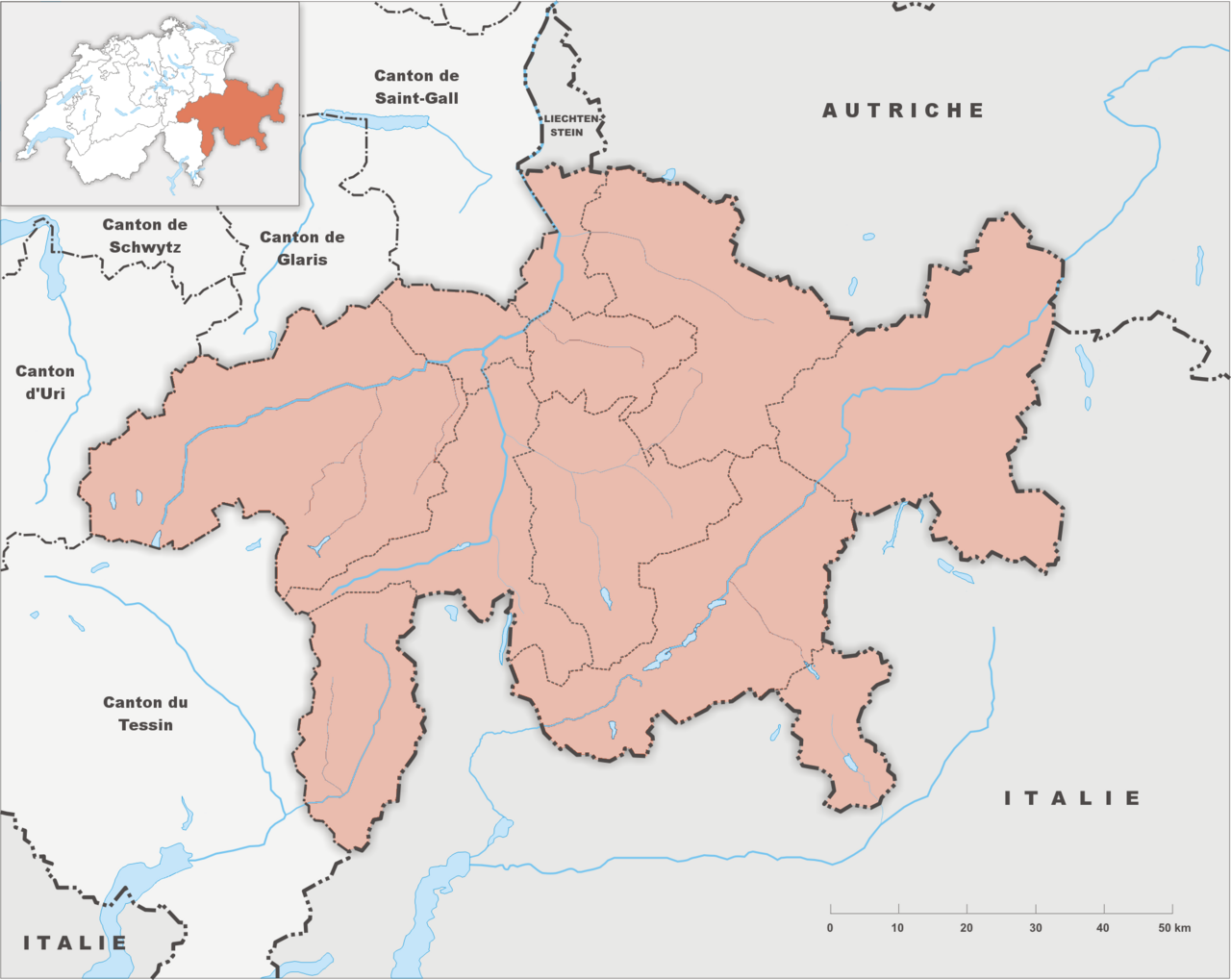
Karte Kanton Graubünden Bezirke 2010 clair


Geographical Grandeur and Environmental Dynamics
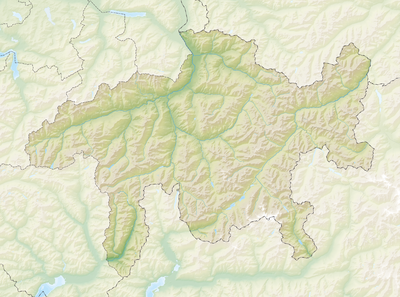
Graubünden, situated in the easternmost part of Switzerland, is a canton of immense geographical scale and breathtaking beauty. Its territory is almost entirely mountainous, dominated by the Rhaetian Alps, which include some of Switzerland's highest peaks and most iconic glacial landscapes. The canton encompasses vast areas of protected natural parks, such as the Swiss National Park, preserving its unique biodiversity and pristine alpine environments.
The complex topography creates diverse microclimates, with significant variations in temperature and precipitation based on altitude and aspect. This has led to a mosaic of ecosystems, from sub-Mediterranean valleys to high-alpine tundra. The region's numerous rivers and lakes are crucial for hydroelectric power generation, a significant economic contributor.
The challenging terrain has historically dictated settlement patterns and transportation networks, leading to the development of impressive engineering feats like the Bernina Railway, a UNESCO World Heritage site, which navigates extreme gradients and altitudes.
Historical Trajectories
The history of Graubünden is a compelling narrative of decentralized power and resilient communities. Originally inhabited by the Raetians, the region was later incorporated into the Roman Empire. Following the empire's decline, it fragmented into various lordships and communities.
The pivotal moment in its history was the formation of the Three Leagues (Grauer Bund, Gotteshausbund, and Zehngerichtenbund) in the late medieval period. These leagues, formed for mutual defense and to resist external powers, gradually coalesced into a single political entity that joined the Swiss Confederacy in 1803. This unique federal structure, where individual communities retained significant autonomy, has profoundly shaped its governance and identity.
The region's strategic location also made it a vital transit corridor for trade between Northern Europe and Italy, fostering a distinct mercantile culture alongside its agricultural base. The legacy of this historical independence is still palpable in its administrative structures and local traditions.
Cultural Synthesis
Graubünden stands out in Switzerland for its extraordinary linguistic landscape, officially recognizing German, Italian, and Romansh as its languages. Romansh, a Romance language with roots in Vulgar Latin, is a living testament to the region's ancient past and is spoken in several distinct dialects across various valleys. The presence of these three languages is not merely a demographic fact but a cornerstone of Graubünden's cultural identity, influencing its art, literature, music, and social customs.
This trilingualism fosters a unique cross-cultural understanding and exchange. Festivals, local media, and educational systems reflect this diversity, aiming to preserve and promote all three linguistic communities. The cultural heritage is further enriched by traditions associated with alpine farming, craftsmanship, and historical events, creating a vibrant and multifaceted regional culture that is both deeply rooted and dynamically evolving.
Economic Pillars
The economy of Graubünden is characterized by a strong reliance on tourism, particularly winter sports and alpine recreation. World-renowned resorts like St. Moritz, Davos, and Klosters attract a global clientele, driving significant revenue and employment.
Beyond tourism, traditional alpine agriculture, including dairy farming and specialized cheese production, remains important, particularly in maintaining the cultural landscape and rural livelihoods. Forestry is another key sector, managing the extensive forest resources for timber and ecological purposes. The canton is also a major producer of hydroelectric power, leveraging its abundant water resources. In recent decades, there has been a growing focus on innovation and high-value industries, with efforts to diversify the economy and attract knowledge-based businesses, often capitalizing on the region's high quality of life and stunning natural environment as an attractive location for skilled professionals and research.
Governance and Education
Graubünden's governmental structure reflects its historical development as a confederation of leagues. As a Swiss canton, it possesses significant autonomy, with its own constitution, parliament (Grosser Rat), and executive council (Regierungsrat). The principle of subsidiarity is strong, with many decisions made at the local community level (Gemeinden).
A unique feature is the continued existence of traditional self-governing bodies in some areas. Education in Graubünden is deeply intertwined with its linguistic diversity. The school system is structured to provide instruction in German, Italian, and Romansh, with specific curricula designed to support each language group. Efforts are made to promote multilingualism from an early age.
Higher education opportunities are available through vocational schools and specialized institutions, and the University of Applied Sciences of the Grisons (Fachhochschule Graubünden) offers programs in areas like tourism, business, and data science, contributing to the region's economic development and innovation goals while respecting its unique cultural and linguistic heritage.
See also
Frequently Asked Questions
What is Graubünden?+
Why are the mountains in Graubünden so special?+
How do the rivers and lakes help people in Graubünden?+
What languages do people speak in Graubünden?+
Why is the Bernina Railway famous?+
Based on content from Wikipedia · Licensed under CC BY-SA 4.0