

Glarus (canton)
Images

KlausenpassPano


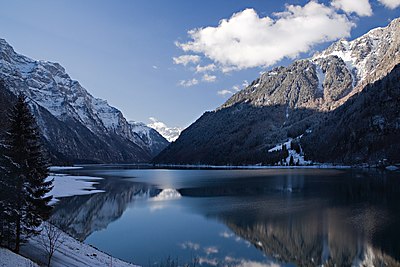
Geomorphological Majesty and Human Adaptation in Glarus
The canton of Glarus is a striking testament to the power of alpine geology and the ingenuity of human adaptation. Its topography is dominated by the Glarus Alps, characterized by steep, glaciated peaks and deep, U-shaped valleys, a direct result of Quaternary ice ages. Elevations range dramatically, with peaks like the Tödi reaching 3,614 meters (11,857 feet), creating a stark contrast with the valley floors.
This dramatic relief has historically presented significant challenges for settlement, agriculture, and transportation, necessitating innovative engineering solutions, such as tunnels and sophisticated flood control systems along rivers like the Linth. The canton's hydrography is equally significant, with numerous glacial lakes and fast-flowing rivers that have historically powered its industries and continue to be vital for hydroelectric energy. The unique geological formations, including the Glarus thrust fault, a UNESCO World Heritage site, offer invaluable insights into tectonic processes, making it a site of international scientific interest.
From Medieval Independence to Industrial Revolution
Glarus boasts a rich and complex history, marked by a fierce pursuit of independence and a remarkable industrial transformation. Its recorded history begins in the 9th century, but its political identity solidified during the medieval period, most famously with the decisive victory at the Battle of Näfels in 1388 against the Habsburgs, which secured its autonomy within the Swiss Confederacy. This era fostered a strong sense of communal governance and self-reliance.
The true economic metamorphosis began in the 18th century with the rise of the textile industry, particularly cotton printing and dyeing. Rivers provided the essential power and water for these processes, leading to the establishment of numerous factories and transforming the canton into a major European textile producer. This industrial boom, while bringing prosperity, also led to significant social and environmental changes, shaping the canton's modern identity and its ongoing efforts to balance industrial legacy with ecological concerns.
The Enduring Significance of Glarus
The significance of Glarus extends beyond its picturesque landscapes; it serves as a compelling case study in sustainable development and cultural preservation within an alpine context. Historically, the canton has been at the forefront of managing natural hazards, developing sophisticated flood defenses and avalanche mitigation strategies that have protected its communities for centuries. Its industrial heritage, particularly in textiles, represents a crucial chapter in Switzerland's economic development, demonstrating how innovation can flourish even in geographically challenging regions.
Today, Glarus is a leader in environmental stewardship, actively working to protect its pristine natural environment while fostering a sustainable economy. The canton's commitment to preserving its unique cultural traditions, including its distinct dialect and rural customs, contributes to Switzerland's rich tapestry of regional identities. Furthermore, its role as a premier destination for mountaineering and winter sports highlights the economic importance of ecotourism and responsible resource management.
Glarus's Economic Landscape
The economic fabric of Glarus is woven from threads of historical industry, natural resource utilization, and modern technological enterprise. The legacy of its world-renowned textile printing and dyeing industry, which once dominated its economy, continues to influence its industrial landscape, with some specialized firms still operating. However, the economy has diversified significantly. Tourism plays a vital role, capitalizing on the canton's spectacular alpine scenery, offering world-class opportunities for hiking, skiing, and mountaineering, attracting both domestic and international visitors.
Beyond tourism and its historical industrial base, Glarus has cultivated a strong presence in precision engineering, manufacturing, and specialized technological sectors. The canton's commitment to renewable energy, particularly hydroelectric power derived from its abundant water resources, further underscores its forward-looking approach to economic development. This blend of tradition and innovation positions Glarus as a resilient and dynamic economic entity within Switzerland.
Glarus in the Modern World
In the contemporary era, Glarus is navigating the complexities of modern governance, environmental policy, and the preservation of its distinct cultural identity. As a canton situated within a nation renowned for its environmental consciousness, Glarus is actively engaged in initiatives aimed at protecting its fragile alpine ecosystems. This includes stringent regulations on land use, conservation efforts for biodiversity, and the promotion of sustainable tourism practices.
The canton's geological significance, particularly the Glarus thrust fault, has led to its inclusion as a UNESCO World Heritage site, emphasizing the global importance of its natural heritage and the need for its careful stewardship. Culturally, Glarus strives to maintain its unique traditions and linguistic heritage, a testament to the enduring strength of regional identity within a unified Switzerland. The canton's approach to these challenges reflects a broader trend in alpine regions worldwide: balancing economic development with the imperative to conserve natural resources and cultural distinctiveness for future generations.
See also
Frequently Asked Questions
What is Glarus in Switzerland?+
Why are the Glarus Alps special?+
How did Glarus become independent?+
What industries grew in Glarus?+
How does Glarus protect its environment today?+
Based on content from Wikipedia · Licensed under CC BY-SA 4.0