

Sparkly Treasures: All About Gemstones!
Images

Gemstone




The Genesis of Brilliance
Gemstones are essentially mineral crystals that possess aesthetic qualities making them suitable for adornment. Their formation is a testament to geological processes occurring over vast timescales. Most gemstones originate from igneous, metamorphic, or sedimentary rocks.
Igneous gemstones form from molten magma or lava cooling and solidifying, allowing mineral crystals to grow. Metamorphic gemstones are created when existing rocks are subjected to intense heat and pressure, altering their mineral composition and structure, often leading to the formation of new, more stable minerals like garnets or rubies. Sedimentary gemstones can form through precipitation from water or the accumulation of organic materials.
The specific chemical composition and atomic arrangement within a mineral dictate its potential as a gemstone, influencing its hardness, color, refractive index, and other optical properties. For instance, the vibrant red of a ruby is due to trace amounts of chromium within its corundum (aluminum oxide) crystal structure, while diamond's unparalleled hardness comes from its carbon atoms arranged in a tetrahedral lattice.
Echoes Through Time
The allure of gemstones is deeply woven into the fabric of human history, transcending cultures and epochs. From ancient Egypt, where lapis lazuli and turquoise adorned pharaohs, to the Roman Empire, where rings signified status and power, gemstones have consistently been symbols of wealth, authority, and divinity. Their perceived magical and healing properties were central to many ancient beliefs, with specific gems thought to offer protection, enhance courage, or bring good fortune.
The Silk Road and subsequent trade routes facilitated the global exchange of these precious commodities, influencing economies and fostering cultural interactions. The Renaissance saw a surge in gem cutting artistry, and the Victorian era popularized elaborate jewelry designs, further cementing gemstones' role in personal expression and social signaling. Today, gemstones continue to hold profound cultural significance, particularly in engagement and wedding traditions, symbolizing enduring commitment and love.
Economic Significance and the Global Gemstone Trade
The global gemstone industry represents a significant economic sector, with the market for colored gemstones alone estimated at US$1.55 billion in 2023 and projected to reach $4.46 billion by 2033. This economic activity encompasses mining, cutting, polishing, wholesale, and retail. The value of a gemstone is determined by a complex interplay of factors, including its rarity, size, color, clarity, cut, and the presence of any treatments.
Certain gemstones, like diamonds, have historically been subject to sophisticated marketing and supply chain management, influencing global prices. The industry also faces challenges related to ethical sourcing, environmental impact, and the detection of synthetic or treated stones. Understanding these economic dynamics is crucial for appreciating the multifaceted value of gemstones beyond their inherent beauty.
The Art and Science of Lapidary
Lapidary, the art and science of cutting and polishing gemstones, is a highly specialized craft that transforms raw mineral material into dazzling jewels. This process begins with a thorough examination of the rough stone to determine the optimal orientation for cutting, considering the crystal structure, color zoning, and potential inclusions. The lapidary then employs a range of tools, from saws and grinders to polishing laps, often using diamond abrasives due to their extreme hardness.
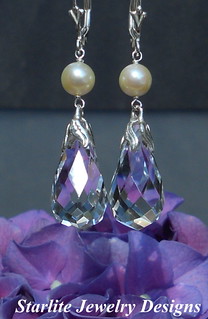
The goal is to create precise facets that maximize the stone's brilliance, fire, and scintillation. Different cuts, such as the round brilliant, emerald cut, pear shape, and cabochon, are chosen based on the gemstone's properties and aesthetic potential. For example, transparent stones with good clarity are typically faceted to enhance their sparkle, while opaque or translucent stones with interesting patterns might be cut as cabochons.
This meticulous work requires a deep understanding of crystallography, optics, and material science, blending artistic vision with technical precision.
Beyond Minerals
While most gemstones are mineral crystals, the definition often extends to include certain organic materials and rocks that possess gem-quality beauty. Organic gemstones, such as pearls, formed within mollusks, and amber, fossilized tree resin, are highly valued for their unique origins and aesthetic appeal. Coral, derived from marine polyps, and jet, a form of lignite coal, are also considered organic gems. Additionally, certain rocks, like lapis lazuli with its intense blue color and golden pyrite inclusions, opal with its mesmerizing play-of-color, and obsidian, a volcanic glass, are frequently used in jewelry and classified as gemstones.
These materials showcase a broader spectrum of what can be considered a gem, highlighting that beauty, rarity, and desirability are key factors, regardless of whether the material is strictly a mineral crystal.
Go deeper
Frequently Asked Questions
What are gemstones and why do they sparkle?+
How do gemstones form in the Earth?+
Why have people loved gemstones for a long time?+
What makes a gemstone valuable?+
What is lapidary and why is it important?+
Based on content from Wikipedia · Licensed under CC BY-SA 4.0