

Your Amazing Gallbladder!
Images

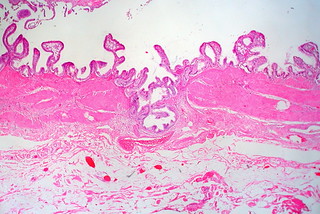
Paraganglion of Gallbladder


Anatomy and Physiology
The gallbladder, scientifically known as the cholecyst, is a small, muscular, pear-shaped organ situated on the inferior surface of the liver. Its primary physiological role is to serve as a reservoir for bile produced by the hepatocytes in the liver. Bile is synthesized continuously by the liver and transported via the common hepatic duct.
The gallbladder's unique histological structure, particularly its folded mucosa, allows it to absorb water and electrolytes from the bile, thereby concentrating it significantly up to five-fold. This concentration is crucial for enhancing the emulsifying and digestive capabilities of bile when it is released into the duodenum. The release mechanism is stimulated by cholecystokinin (CCK), a hormone released in response to the presence of fats and proteins in the duodenum.
The gallbladder then contracts, expelling concentrated bile through the cystic duct, which merges with the common hepatic duct to form the common bile duct, delivering the bile to the small intestine for fat digestion and absorption.
The Gallbladder's Contribution to Nutrient Absorption and Metabolism
Beyond its role in fat digestion, the gallbladder's function is intrinsically linked to the absorption of essential fat-soluble vitamins (A, D, E, and K). Bile salts, the primary component of bile, are amphipathic molecules that facilitate the formation of micelles. These tiny structures encapsulate fatty acids, monoglycerides, and fat-soluble vitamins, enabling their transport across the intestinal epithelium for absorption.
Without adequate bile flow, the absorption of these vital micronutrients would be severely compromised, potentially leading to deficiencies with widespread health implications. Furthermore, bile plays a role in the excretion of metabolic waste products, including bilirubin, a breakdown product of hemoglobin, and excess cholesterol. The gallbladder's ability to concentrate bile helps in the efficient elimination of these substances from the body, contributing to overall metabolic homeostasis.
Pathological Manifestations
The most common pathology affecting the gallbladder is the formation of gallstones, or cholelithiasis. These stones typically form when the bile becomes supersaturated with cholesterol or bilirubin, or when there is stasis of bile within the gallbladder. Cholesterol gallstones, the most prevalent type, arise from an imbalance between cholesterol secretion and bile salt concentration. Pigment gallstones, composed primarily of bilirubin, are often associated with conditions causing increased bilirubin turnover, such as hemolytic anemias.
When gallstones obstruct the cystic duct or common bile duct, they can lead to acute cholecystitis, an inflammation of the gallbladder, often accompanied by severe pain, fever, and leukocytosis. Chronic cholecystitis can result from repeated episodes of obstruction. The management of symptomatic gallstones often involves cholecystectomy, a surgical procedure that, while removing the source of the problem, necessitates adaptation in bile flow regulation by the liver and bile ducts.
Clinical Significance and Modern Management of Gallbladder Disorders
Disorders of the gallbladder, particularly symptomatic gallstones, represent a significant burden on healthcare systems worldwide, leading to numerous hospital admissions and surgical interventions. The diagnosis of gallstones and cholecystitis relies on a combination of clinical presentation, laboratory tests (e.g., liver function tests), and imaging modalities, with ultrasound being the primary diagnostic tool due to its sensitivity and non-invasiveness. Treatment strategies range from conservative management for asymptomatic stones to surgical intervention for symptomatic disease.
Laparoscopic cholecystectomy has become the gold standard for surgical treatment, offering faster recovery times and reduced morbidity compared to open surgery. Ongoing research explores non-surgical approaches and the long-term implications of gallbladder removal, including potential impacts on gut microbiota and nutrient absorption, underscoring the continued clinical relevance of understanding this seemingly small, yet vital, organ.
Go deeper
Frequently Asked Questions
What is the gallbladder and where is it located?+
How does the gallbladder help us digest fat?+
What happens if the gallbladder gets a stone?+
Why do we need bile for vitamins?+
Can the gallbladder be removed if it has stones?+
Based on content from Wikipedia · Licensed under CC BY-SA 4.0