

Friuli-Venezia Giulia
Images

Friuli-Venezia Giulia, Villa Bottacin (Trieste)





The Geopolitical and Economic Nexus of Friuli-Venezia Giulia
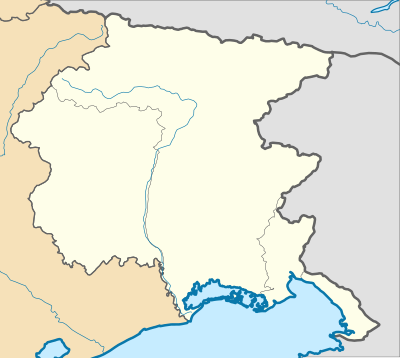
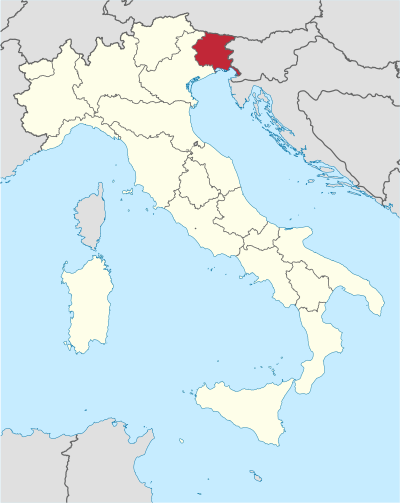
Friuli-Venezia Giulia stands as one of Italy's five autonomous regions with a special statute, a designation that grants it significant self-governance powers. Its capital, Trieste, is not merely a regional administrative center but a historically vital port city on the Gulf of Trieste, an inlet of the Adriatic Sea. The region's geographical position is paramount; it serves as a natural gateway to the sea for landlocked Central European nations such as Austria and Slovenia.
This strategic advantage makes it a critical transit point for major east-west transport routes across Southern Europe, facilitating substantial international trade and logistical operations. The region is a complex amalgamation of two distinct historical-geographical entities: Friuli, with its deep-rooted cultural identity, and a portion of Venezia Giulia, also known as the Julian March, each contributing unique historical narratives, traditions, and a sense of distinctiveness to the region's overall character.
This dual identity fosters a dynamic cultural landscape unlike any other in Italy.
A Palimpsest of History
The historical trajectory of Friuli-Venezia Giulia is a profound illustration of Europe's complex past, marked by successive waves of migration, conquest, and cultural assimilation. The territory of Friuli itself boasts a long and often independent history, notably influenced by the Patriarchate of Aquileia, a powerful medieval ecclesiastical state that wielded considerable temporal authority. Venezia Giulia, conversely, carries the legacy of Venetian maritime power and later, the vast administrative and cultural influence of the Austro-Hungarian Empire.
This historical layering has resulted in a region where Roman, Germanic, Slavic, and Italianate influences are visibly and audibly present. The architectural styles in cities like Trieste, with its Habsburg-era grandeur, contrast with the more distinctly Italianate or Friulian towns. Understanding this historical depth is crucial to appreciating the region's contemporary identity, which is a testament to centuries of interaction and coexistence between diverse peoples and political entities.
Strategic Importance
The significance of Friuli-Venezia Giulia extends far beyond its regional borders, playing a crucial role in the broader European economic and geopolitical framework. Its function as a primary maritime access point for Central European countries is indispensable for their international trade, reducing transit times and costs. The region is interwoven with a network of vital transportation arteries, including major highways and railway lines that connect the Adriatic coast to Central and Eastern Europe, linking major economic centers and ports.
This connectivity not only drives regional economic growth through commerce, industry, and tourism but also acts as a catalyst for cultural exchange and cooperation. Friuli-Venezia Giulia is, therefore, more than just a geographical location; it is an active facilitator of European integration and economic interdependence, embodying the concept of a true continental crossroads.
Linguistic Pluralism and Cultural Synthesis
A defining characteristic of Friuli-Venezia Giulia is its remarkable linguistic diversity, a direct consequence of its historical interactions and geographical position. While Italian is the official language, the region is a vibrant tapestry of minority languages. Friulian, a distinct Romance language with its own literary tradition, is spoken by a significant portion of the population in the Friuli area.
Furthermore, a substantial Slovenian-speaking minority resides in the eastern parts of the region, reflecting its border with Slovenia. This linguistic pluralism is officially recognized and protected, contributing to a rich cultural mosaic that includes unique traditions, festivals, and culinary practices. The region's cultural identity is a synthesis of these diverse influences, offering a unique perspective on Italian culture that is profoundly shaped by its Central European neighbors and its own ancient heritage.
Contemporary Relevance
In the modern era, Friuli-Venezia Giulia continues to navigate the opportunities and challenges presented by its unique position. The region's economic model relies heavily on its role as a logistical hub, with its ports and transport infrastructure being key assets. However, it also faces the complexities of managing diverse cultural identities and ensuring equitable development across its distinct historical territories.
The autonomous status allows for tailored policies that can address these specific needs, fostering innovation in areas like cross-border cooperation and cultural preservation. As Europe continues to evolve, Friuli-Venezia Giulia's ability to bridge different cultures, economies, and political systems positions it as a region of enduring strategic importance and a fascinating case study in regional identity and European integration.
See also
Frequently Asked Questions
What is Friuli-Venezia Giulia?+
Where is the capital of Friuli-Venezia Giulia?+
Why is Friuli-Venezia Giulia important for trade?+
What languages can you hear in Friuli-Venezia Giulia?+
How does the region's history shape its culture?+
Based on content from Wikipedia · Licensed under CC BY-SA 4.0