

French Polynesia
Images
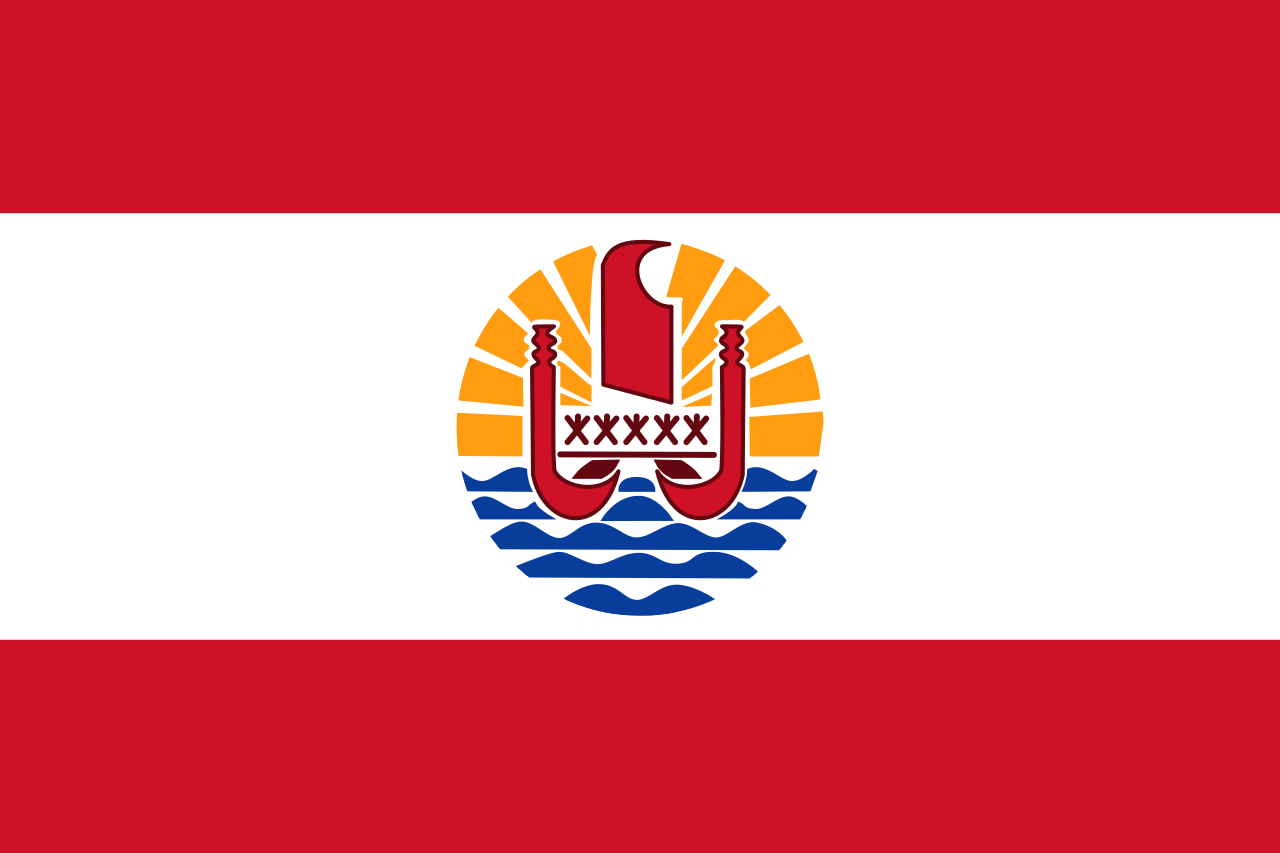
French Polynesia
Opens Google Maps in new tab
Geographic Isolation and Archipelagic Diversity
French Polynesia is a vast overseas collectivity of France, comprising 121 islands and atolls scattered across an immense expanse of the South Pacific Ocean, stretching over 2,000 kilometers. This geographic dispersion creates significant logistical and administrative challenges. The total land area of 3,521 square kilometers is distributed among five distinct island groups: the Austral Islands, Gambier Islands, Marquesas Islands, Society Islands (further divided into Windward and Leeward groups), and the Tuamotu Archipelago.
The Society Islands, particularly Tahiti, are the most populous, with its capital, Papeete, serving as the administrative and economic hub. The Tuamotus are known for their coral atolls, while the Marquesas feature dramatic volcanic landscapes. This diversity in geography influences everything from local economies to cultural practices, highlighting the unique environmental context of each island group within this expansive territory.
A Tapestry of Migration, Exploration, and Political Evolution
The human history of French Polynesia is rooted in the epic Polynesian migrations that settled the Pacific centuries ago. European contact began with explorers, traders, and whalers, culminating in the establishment of a French protectorate in 1842, known as the French Establishments of Oceania (EFO). Following World War II, the EFO transitioned into an overseas territory under the French Fourth Republic in 1946, granting Polynesians citizenship and voting rights.
The territory was officially renamed French Polynesia in 1957. A significant shift occurred in 2003 with a constitutional revision that designated French Polynesia as an overseas collectivity with enhanced administrative autonomy, later recognized as an overseas country. This evolution reflects a complex interplay between maintaining cultural identity and integrating with the French Republic, shaping its current political status and governance.
Cultural Synthesis
The cultural landscape of French Polynesia is a dynamic synthesis of its indigenous Polynesian heritage and centuries of French influence. The official languages are French and Tahitian, with Tahitian belonging to the Austronesian language family and serving as a vital link to ancestral traditions. Traditional arts, including intricate wood carving, tattooing, and vibrant dance forms like the 'Ori Tahiti, remain central to cultural expression. Music, often featuring the ukulele and percussion, plays a significant role in social gatherings and ceremonies.
The cuisine reflects the bounty of the islands, with an emphasis on fresh seafood, tropical fruits, and root vegetables, often prepared with French culinary techniques. This fusion creates a unique cultural identity that is both deeply rooted in its Pacific origins and globally connected.
Economic Pillars
French Polynesia's economy is heavily reliant on tourism, attracted by its world-renowned natural beauty, including pristine lagoons, coral reefs, and volcanic peaks. The luxury resort sector and cruise ship industry are significant contributors. Beyond tourism, the cultivation and export of black pearls, particularly from the Tuamotu and Gambier archipelagos, represent a high-value niche industry. Vanilla production, especially on Taha'a, is another key export, known for its exceptional quality. Fishing remains important for both local consumption and export.
The government actively seeks to diversify the economy and promote sustainable development, balancing economic growth with the preservation of its unique marine and terrestrial ecosystems, while also managing the logistical challenges posed by its vast geographic spread.
Governance and Autonomy
As an overseas collectivity of France, French Polynesia possesses a significant degree of administrative autonomy, enshrined in law since 2004. It has its own President and government, responsible for managing internal affairs, including education, health, and local infrastructure. France retains responsibility for defense, foreign affairs, and currency.
This semi-autonomous status allows for self-determination in many areas, enabling the territory to tailor policies to its specific needs and cultural context. The capital, Papeete, on Tahiti, serves as the seat of government. This unique political arrangement reflects a delicate balance between French sovereignty and Polynesian aspirations for self-governance, positioning French Polynesia as an overseas country with distinct political and cultural characteristics within the broader French Republic.
Go deeper
Frequently Asked Questions
What is French Polynesia?+
How many islands are in French Polynesia?+
Where is the capital of French Polynesia?+
What foods do people eat in French Polynesia?+
What is the main way people make money in French Polynesia?+
Based on content from Wikipedia · Licensed under CC BY-SA 4.0