

Folic Acid: Your Body's Little Helper!
Images

Transport of folate from intestine to the brain and inhibition of 5MTHF transport by folic acid RUS


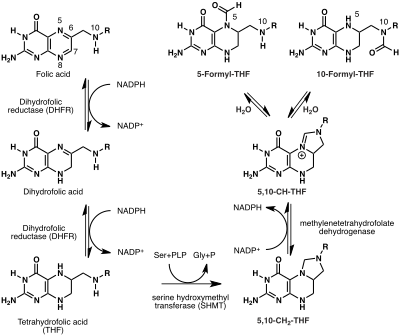


The Biochemical Underpinnings of Folic Acid's Action
Folic acid, the synthetic form of folate (Vitamin B9), is indispensable for a multitude of cellular processes, primarily revolving around one-carbon metabolism. Its active form, tetrahydrofolate (THF), serves as a crucial carrier of one-carbon units (like methyl, methylene, and formyl groups) essential for the de novo synthesis of purines and pyrimidines, the fundamental building blocks of DNA and RNA. This direct involvement in nucleotide synthesis makes folic acid critical for DNA replication, repair, and cell division.
Furthermore, it plays a vital role in the remethylation of homocysteine to methionine, an amino acid crucial for protein synthesis and the production of S-adenosylmethionine (SAM), the universal methyl donor for numerous cellular reactions, including DNA methylation and neurotransmitter synthesis. A deficiency impairs these pathways, leading to DNA damage, impaired cell division, and potentially increased risk of mutations and cancer.
A Journey Through Folic Acid Discovery and Application
The story of folic acid began in the 1930s with observations of 'pernicious anemia' in pregnant women, a severe form of anemia that was often fatal. Researchers identified a factor in liver that could treat this anemia, and by the 1940s, this factor was isolated and its structure determined. The synthetic form, folic acid, was synthesized in 1945.
Its profound impact on preventing neural tube defects (NTDs) was recognized later, with large-scale studies in the 1990s conclusively demonstrating that folic acid supplementation significantly reduced the incidence of spina bifida and anencephaly. This led to public health initiatives worldwide, including mandatory food fortification in many countries, a monumental public health achievement that has saved countless lives and prevented lifelong disabilities.
The Indispensable Role in Preventing Congenital Abnormalities
The critical window for folic acid's protective effect against NTDs is extremely narrow, occurring within the first 28 days of gestation, often before a woman even knows she is pregnant. During this period, the embryonic neural tube closes to form the central nervous system. Insufficient folate levels disrupt this delicate process, leading to incomplete closure.
The recommended intake for women of childbearing potential is typically 400 micrograms of folic acid per day, with higher doses often advised for those with a history of NTDs or other risk factors. This preventative strategy underscores the importance of preconception care and widespread folic acid availability, transforming the landscape of prenatal health and reducing the burden of NTDs globally.
Folic Acid's Broader Health Implications and Research Frontiers
Beyond its role in preventing NTDs and treating megaloblastic anemia, folic acid's influence extends to various aspects of health. Adequate folate status is associated with reduced levels of homocysteine, an amino acid linked to cardiovascular disease risk. Emerging research also explores its potential role in cognitive function, mood regulation, and even as an adjunct therapy in certain psychiatric conditions, given its involvement in neurotransmitter synthesis.
However, the relationship is complex, and excessive folic acid intake can mask vitamin B12 deficiency, a condition that can lead to irreversible neurological damage. Ongoing research continues to unravel the intricate interplay between folate metabolism, genetics, and disease prevention, highlighting the need for personalized approaches to nutrient intake.
Dietary Sources, Fortification, and Supplementation Strategies
Folic acid is found naturally in foods like dark leafy greens (spinach, kale), legumes (beans, lentils), asparagus, and citrus fruits, though its bioavailability can vary. To ensure adequate intake, many countries have implemented mandatory fortification of staple foods such as flour, bread, pasta, and rice with synthetic folic acid. This public health measure has been highly effective in increasing population-level folate status.
For individuals with specific needs, such as pregnant women or those with malabsorption issues, folic acid supplementation is often recommended. The choice between dietary folate, fortified foods, and supplements depends on individual dietary patterns, health status, and specific recommendations from healthcare providers, emphasizing a balanced approach to achieving optimal folate levels.
See also
Frequently Asked Questions
What is folic acid?+
Why do babies need folic acid?+
When should a woman start taking folic acid?+
What happens if we don't have enough folic acid?+
Can taking too much folic acid be harmful?+
Based on content from Wikipedia · Licensed under CC BY-SA 4.0