

Fogou: Secret Underground Houses!
Images

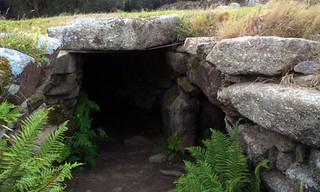
Fogou, Carn Euny - geograph.org.uk - 5120417




Defining the Fogou
The fogou, also known colloquially by various regional names such as 'vugs' or 'fuggy holes,' represents a distinctive type of subterranean, dry-stone structure indigenous to Cornwall, England. These structures are exclusively found on archaeological sites dating from the Iron Age and the subsequent Romano-British period. Architecturally, fogous are characterized by their underground construction, typically featuring carefully coursed dry-stone walls that form chambers and often elaborate, narrow passages.
The absence of mortar in their construction, a hallmark of dry-stone techniques, speaks to a sophisticated understanding of structural stability and material sourcing by their builders. Geographically, their concentration in Cornwall, a region with a rich prehistoric and protohistoric landscape, places them within a context of ancient settlement and defensive practices. The limited number of confirmed sites, fewer than fifteen, underscores their rarity and the specialized nature of their construction and potential use within these ancient communities.
The Enigma of Purpose
The precise original purpose of fogous remains one of archaeology's enduring questions, fueling considerable scholarly debate. The most prevalent hypothesis posits that fogous served as storage facilities. The stable, cool, and dark environment provided by an underground structure would have been ideal for preserving foodstuffs, such as grains, dairy products, and meats, thereby enhancing community resilience, particularly during lean seasons or periods of conflict.
This function aligns with similar subterranean structures found elsewhere in Europe. Another significant theory suggests a role as a refuge or defensive feature. The often narrow, winding entrances and passages could have provided a secure, defensible space for a small group to retreat during raids or attacks.
The psychological impact of such a hidden sanctuary, offering protection and a sense of security, cannot be understated. Less common theories include ritualistic or ceremonial uses, though evidence for these is more speculative. The multi-faceted potential uses highlight the adaptability and importance of these structures to their ancient societies.
Construction Techniques and Engineering Prowess
The construction of a fogou represents a remarkable feat of engineering and labor for the Iron Age and Romano-British periods. The dry-stone method, while ancient, requires immense skill in selecting, shaping, and precisely placing stones to create load-bearing walls and stable roofing. Builders would have meticulously excavated the subterranean space, ensuring adequate support for the overlying earth to prevent collapse.
The coursing of stones, where stones are laid in regular horizontal layers, is a key feature contributing to the structural integrity of fogous. Some fogous exhibit sophisticated architectural elements, such as lintels spanning passages or chambers, and occasionally small apertures or 'crenellations' near the roof, the function of which remains debated but could relate to ventilation or observation. The sheer effort involved in quarrying, transporting, and assembling the substantial quantities of stone necessary for these structures indicates a well-organized labor force and a high degree of communal investment, suggesting that fogous held significant value for the communities that built them.
Comparative Archaeology
The study of fogous is enriched by comparative archaeological analysis, particularly their similarities to 'souterrains' or 'earth-houses' found in other parts of northern Europe. These parallels are most pronounced with structures in Scotland, including those on the Orkney Islands. Souterrains are also typically subterranean, dry-stone or earth-cut structures with passages and chambers, and their proposed functions often mirror those of fogous, including storage and refuge.
This shared architectural typology suggests either direct cultural diffusion, independent invention driven by similar environmental or social pressures, or a common ancestral building tradition. The existence of these related structures across different regions indicates a broader pattern of subterranean construction in prehistoric and protohistoric Europe, likely serving analogous societal needs. Understanding these connections helps place the Cornish fogous within a wider narrative of ancient European ingenuity and adaptation.
Significance and Legacy
Fogous hold considerable significance for our understanding of Iron Age and Romano-British societies in Cornwall. As rare surviving examples of complex subterranean architecture, they provide tangible evidence of the technological capabilities, resource management, and potentially the social organization of these ancient peoples. Their enigmatic purpose invites ongoing research and interpretation, pushing the boundaries of our knowledge about daily life, subsistence strategies, and defensive practices in prehistoric Britain.
The limited number of confirmed sites makes each discovery crucial for building a comprehensive picture. Furthermore, fogous contribute to the rich cultural heritage of Cornwall, serving as unique historical landmarks that connect contemporary communities to their deep past. Their preservation and study are vital for ensuring that these silent witnesses to history continue to inform and inspire future generations, offering a tangible link to the ingenuity and resilience of our ancestors.
See also
Frequently Asked Questions
What is a fogou?+
Where can you find fogous?+
Why were fogous built without mortar?+
What might people have stored in a fogou?+
Could fogous have been used for safety during attacks?+
Based on content from Wikipedia · Licensed under CC BY-SA 4.0