

Firefly: The Tiny Lanterns of the Night
Images
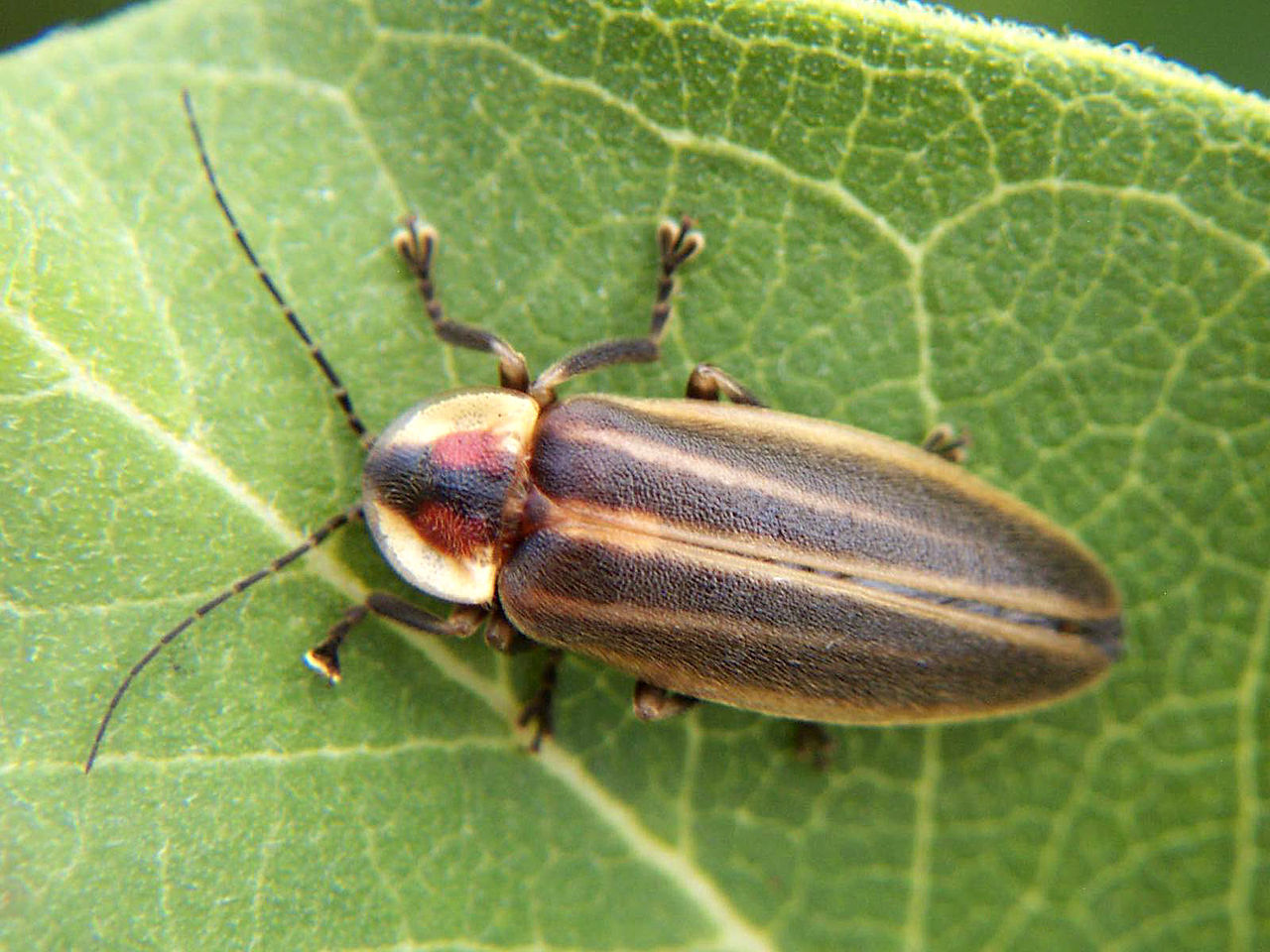
Firefly


The Taxonomy and Global Distribution of Lampyridae
Fireflies, belonging to the family Lampyridae, represent a diverse group of beetles found across the globe, with the highest species richness concentrated in tropical and subtropical regions. While commonly associated with warm climates, numerous species also inhabit temperate zones, often congregating in humid environments such as forests, wetlands, and grasslands. Their distribution is influenced by factors like temperature, moisture, and the availability of suitable prey for their larval stages.
The family encompasses thousands of described species, each with unique morphological characteristics and, crucially, distinct bioluminescent patterns. Understanding their precise taxonomic relationships and geographic ranges is fundamental to appreciating their evolutionary history and ecological adaptations, particularly their remarkable ability to generate light.
Life Cycle and Predatory Adaptations of Larval Fireflies
The life cycle of a firefly typically involves four stages: egg, larva, pupa, and adult. The larval stage, often referred to as a glow-worm, is the longest and most critical period for growth and development. These larvae are formidable predators, possessing specialized, hollow, sickle-shaped mandibles.
Upon capturing prey, such as snails, slugs, earthworms, or other small invertebrates, they inject a paralyzing toxin and digestive enzymes. This liquefies the prey's insides, allowing the larva to easily consume the nutrient-rich fluid. This predatory efficiency is key to accumulating the energy reserves necessary for metamorphosis into the adult form.
The larval bioluminescence, present in many species, may serve as a warning signal (aposematism) to potential predators, indicating their unpalatability.
The Chemistry and Communication of Light
The iconic flashing of fireflies is a sophisticated form of communication driven by bioluminescence, a chemical process that generates light with remarkable efficiency. The reaction involves the substrate luciferin, the enzyme luciferase, adenosine triphosphate (ATP), and oxygen. Luciferase catalyzes the oxidation of luciferin, releasing energy primarily as visible light, with minimal heat loss, hence the term 'cold light'.
Different species have evolved unique flash patterns, including pulse rate, duration, color, and flight path, which are crucial for species recognition and mate attraction. Some species exhibit complex courtship dialogues, with males flashing specific signals and females responding from their perches. This intricate signaling system highlights the evolutionary pressures driving reproductive isolation and species diversification.
Ecological Roles and Conservation Imperatives for Fireflies
Fireflies play vital roles within their ecosystems. As predators in their larval stage, they help regulate populations of invertebrates like snails and slugs. Their bioluminescence contributes to the nocturnal visual landscape, and their presence is often an indicator of a healthy environment.
However, firefly populations worldwide are facing significant declines, leading to concerns about their conservation status. Major threats include habitat destruction and fragmentation due to urbanization and agricultural expansion, which reduce suitable breeding and foraging grounds. Light pollution from artificial sources disrupts their delicate bioluminescent communication, hindering mate finding and reproduction. Pesticide use can directly kill fireflies or eliminate their prey.
Addressing these threats requires multifaceted conservation strategies, including habitat restoration, reducing light pollution, promoting sustainable land management, and raising public awareness about the importance of these enchanting insects.
Go deeper
Frequently Asked Questions
What makes fireflies glow?+
How do firefly larvae eat their food?+
Why do firefly larvae light up?+
Where do fireflies live?+
Why are fireflies disappearing?+
Based on content from Wikipedia · Licensed under CC BY-SA 4.0