

Fiji: Islands of Sunshine!
Images
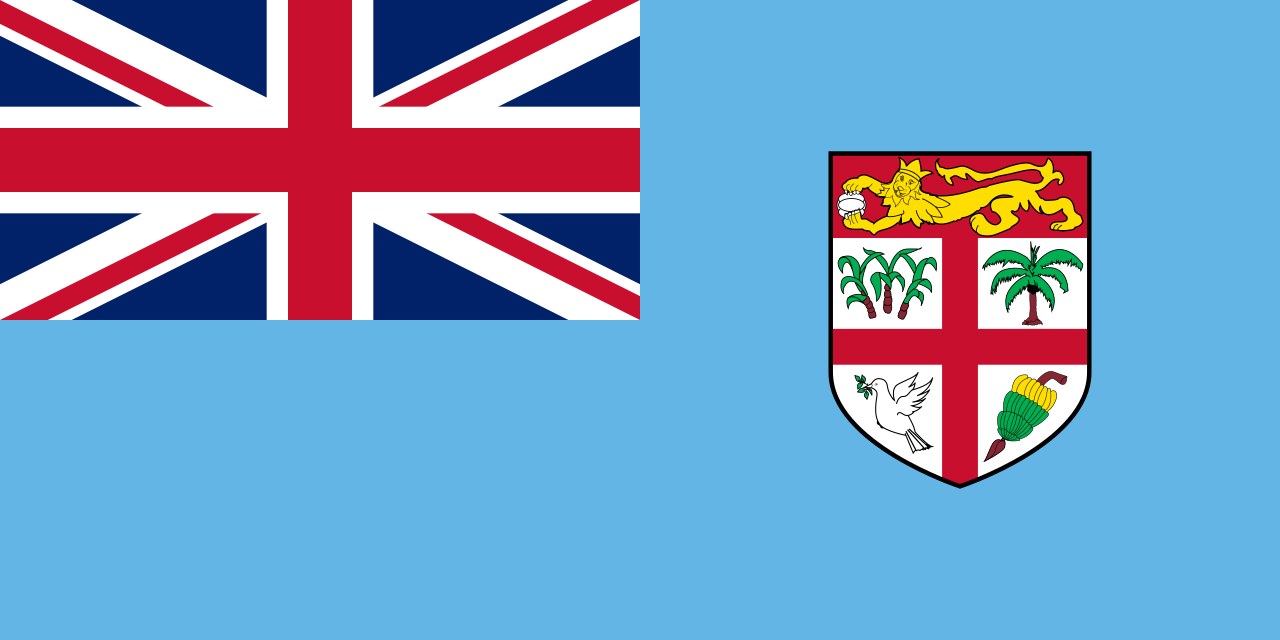
Fiji


Geographical Tapestry
Fiji, officially the Republic of Fiji, is an island country situated in Melanesia, a subregion of Oceania in the vast South Pacific Ocean. Its geographical makeup is defined by an extensive archipelago comprising over 330 islands, with approximately 110 permanently inhabited, alongside more than 500 islets. This extensive island chain covers a total land area of about 18,300 square kilometers.
The formation of the majority of these islands is attributed to volcanic activity that commenced roughly 150 million years ago, a testament to the powerful geological forces that shaped the region. Evidence of this geological past persists today, with ongoing geothermal activity observed on islands such as Vanua Levu and Taveuni. While Viti Levu also exhibits geothermal features, these are non-volcanic in origin, characterized by low-temperature surface discharges ranging from 35 to 60 degrees Celsius.
The population distribution is heavily concentrated, with about 87% residing on the two principal islands, Viti Levu and Vanua Levu. Coastal areas of Viti Levu, particularly the capital, Suva, and urban centers like Nadi and Lautoka, are densely populated, driven by tourism and the sugar-cane industry, respectively. The island's interior remains sparsely inhabited due to its challenging terrain.
A Chronicle of Fiji
The human history of Fiji stretches back to the second millennium BC, with initial settlement by Austronesians, followed by Melanesian migrations and influences from Polynesia. European contact began in the 17th century. Following a period as an independent kingdom, Fiji was ceded to Britain in 1874, becoming the Colony of Fiji.
It operated as a Crown colony until 1970, when it achieved independence as the Dominion of Fiji. The nation's post-independence political landscape has been marked by significant transitions, including a declaration of republic status in 1987 after a series of coups d'état. Further political upheaval occurred in 2006 with a military coup.
While the High Court later ruled the military leadership unlawful in 2009, the period saw constitutional abrogation and the re-appointment of the interim prime minister. Fiji's journey towards stable democratic governance culminated in a general election on September 17, 2014, which was deemed credible by international observers and resulted in a victory for the FijiFirst party. This historical narrative highlights Fiji's resilience and its ongoing efforts to establish robust democratic institutions.
Cultural Mosaic and Societal Structure
Fiji's cultural identity is a rich blend shaped by its indigenous Melanesian heritage, with significant historical influences from Austronesian and Polynesian migrations, as well as periods of Indian indentured labor. This has resulted in a diverse society with unique traditions, languages, and customs. The majority of the population resides on the two main islands, Viti Levu and Vanua Levu, with a significant portion living in urban centers like Suva, the capital, and Nadi, a hub for tourism.
The interior of Viti Levu, characterized by its rugged terrain, remains sparsely populated, preserving a more traditional way of life for some communities. The social fabric is woven with strong community ties and a deep respect for elders and traditional leadership structures, even as the nation navigates modern governance and economic development. The presence of multiple languages, including English, Fijian, and Fiji Hindi, reflects this multicultural heritage.
Economic Drivers
Fiji possesses one of the most developed economies in the Pacific, underpinned by its abundant natural resources. These include extensive forest reserves, valuable mineral deposits, and rich marine life. The nation's foreign exchange earnings are primarily driven by its thriving tourism industry, which attracts visitors to its pristine beaches and tropical landscapes.
Remittances from Fijians working abroad also play a crucial role in the economy. Key export products include bottled water, capitalizing on the country's natural water sources, and sugar cane, a long-standing agricultural staple. The government actively manages its economic development through various ministries, including the Ministry of Local Government and Urban Development, which oversees city and town councils, ensuring the effective administration of urban areas and services.
This diversified economic approach aims to foster sustainable growth and improve the livelihoods of its citizens.
Governance and Education
Fiji operates as a republic, with its governance structure evolving through periods of political transition. Following the democratic elections in 2014, the country has focused on strengthening its political institutions. The Ministry of Local Government and Urban Development plays a key role in the administration of cities and towns through elected councils, ensuring local services are provided efficiently.
Education is a vital component of Fiji's development strategy. While the provided source material does not detail the education system, it is understood that nations like Fiji prioritize education to equip their citizens with the skills needed for economic participation and civic engagement. Access to education is crucial for fostering a skilled workforce, promoting social mobility, and ensuring the nation's continued progress in the global arena.
The government's commitment to education is fundamental to building a prosperous and stable future for Fiji.
Go deeper
Frequently Asked Questions
What makes Fiji's islands special?+
Where is Fiji located?+
How many people live on Fiji's main islands?+
Why does Fiji have hot springs?+
When did Fiji become independent?+
Based on content from Wikipedia · Licensed under CC BY-SA 4.0