

Fennel
Images
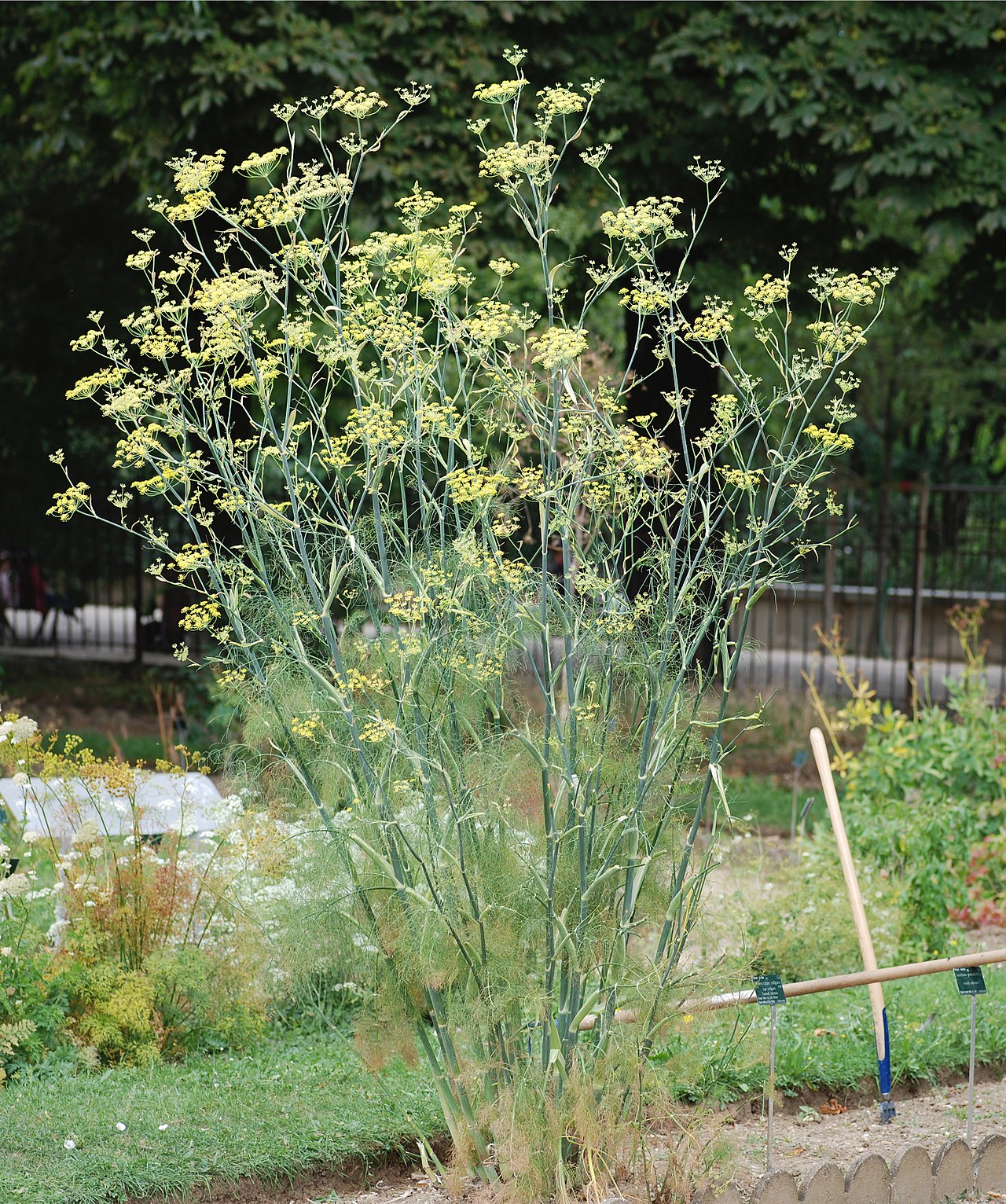
Fennel
Botanical Profile and Ecological Niche
Fennel (Foeniculum vulgare) is a hardy perennial herb belonging to the Apiaceae family, renowned for its distinctive anise-like aroma and flavor, primarily attributed to the volatile compound anethole. This tall plant, often reaching heights of up to 2 meters (6.5 feet), features finely dissected, feathery leaves that are pinnately compound, giving it a delicate appearance. The plant produces umbels of small, yellow flowers, which develop into characteristic ribbed, oblong fruits containing seeds.
Fennel thrives in well-drained soils and prefers full sun, often found naturalized in meadows, along roadsides, and in disturbed habitats across temperate regions. Its ecological role includes providing nectar for pollinators and serving as a food source for certain insect larvae. The plant's resilience and ability to self-seed contribute to its widespread distribution, making it a common sight in many landscapes.
Historical Trajectory and Cultural Significance
The cultivation and use of fennel date back to antiquity, with evidence of its presence in ancient Mediterranean civilizations. The Greeks and Romans extensively utilized fennel, not only as a culinary herb and spice but also for its medicinal properties, believing it possessed digestive, diuretic, and even eyesight-enhancing qualities. The name 'Fennel' itself derives from the Old English 'fenol' or Latin 'feniculum,' meaning 'little hay,' likely referring to its scent.
Throughout the Middle Ages, fennel continued to be valued in European pharmacopoeias and kitchens, often planted around homes to ward off evil spirits. Its journey across continents, facilitated by trade and migration, led to its integration into diverse global cuisines, from Indian curries where its seeds are a staple, to Italian dishes where the bulb is a key ingredient. This historical depth underscores fennel's enduring cultural significance as a versatile plant.
Biochemistry of Flavor and Aroma
The sensory appeal of fennel is largely dictated by its essential oil composition, dominated by anethole. This phenylpropene is responsible for the characteristic sweet, licorice-like fragrance and taste. While anethole is most concentrated in the seeds, it is also present in the bulb and leaves, albeit in lower quantities.
Other minor components, such as fenchone, estragole, and p-cymene, contribute to the complexity of fennel's flavor profile, adding subtle bitter or herbaceous notes. The transformation of these compounds during cooking is crucial to its culinary utility. Heat can alter the volatility and perception of these aromatics, mellowing the sharp, pungent notes of raw fennel into a sweeter, more nuanced flavor when cooked. Understanding this biochemistry allows chefs and home cooks to manipulate fennel's taste through various preparation methods, from raw applications to slow roasting or braising.
Culinary Applications and Modern Relevance
Fennel's versatility in the kitchen is remarkable, with all parts of the plant offering distinct culinary contributions. The bulb, often referred to as Florence fennel or finocchio, is prized for its crisp texture and mild sweetness when raw, making it an excellent addition to salads, slaws, and carpaccios. When cooked, the bulb softens and caramelizes beautifully, pairing exceptionally well with fatty meats like pork and duck, or as a base for gratins and braises.
The feathery fronds serve as a delicate herb, lending a fresh, anise-like finish to seafood, poultry, and vegetable dishes, or can be incorporated into sauces and vinaigrettes. Fennel seeds are a fundamental spice in many cuisines, used whole or ground in spice blends, baked goods, liqueurs, and as a digestive aid in teas. In modern gastronomy, fennel is celebrated for its ability to add complexity and brightness to dishes, and its perceived health benefits continue to drive interest in its use as a functional food ingredient.
Nutritional Profile and Health Perspectives
Fennel is not only flavorful but also offers a respectable nutritional profile. It is a good source of dietary fiber, which aids in digestion and promotes satiety. The plant is also rich in essential vitamins and minerals, notably vitamin C, a powerful antioxidant crucial for immune function and skin health, and potassium, important for maintaining healthy blood pressure.
Furthermore, fennel contains various phytonutrients, including flavonoids and phenolic acids, which exhibit antioxidant and anti-inflammatory properties. Historically, fennel seeds have been used in traditional medicine to alleviate digestive discomfort, such as bloating and gas, a practice supported by some modern research into its carminative effects. Its low caloric content and high nutrient density make it a valuable component of a healthy diet, aligning with contemporary trends towards wellness-focused eating.
Go deeper
Frequently Asked Questions
What does fennel smell like?+
Which parts of fennel can you eat?+
How tall can a fennel plant grow?+
Why do people add fennel to food?+
Where does fennel grow in the wild?+
Based on content from Wikipedia · Licensed under CC BY-SA 4.0