

EuroLeague: Europe's Basketball Superstars!
Images

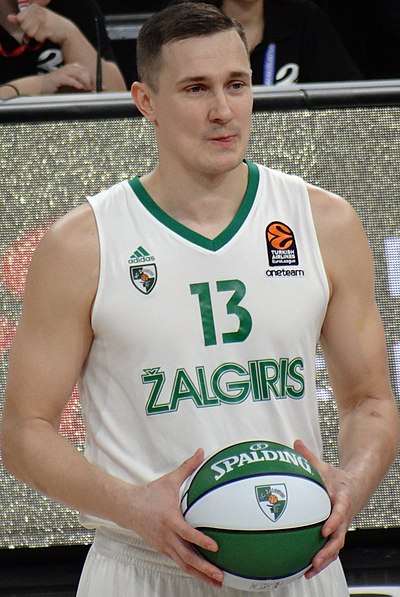
Šarūnas Jasikevičius BC Žalgiris EuroLeague 20180223 (1)




The EuroLeague
The EuroLeague stands as the undisputed pinnacle of European men's professional basketball, a competition that embodies the highest standards of skill, strategy, and athleticism. It is globally recognized as the premier club basketball league on the continent, attracting top talent and commanding immense respect. The league's structure, featuring 20 teams with 16 holding long-term licenses and wild cards, creates a semi-closed system that fosters intense rivalries and ensures a consistently high level of play.
This exclusivity, while debated, contributes to the league's prestige and the high stakes of every game. The EuroLeague is not merely a tournament; it is a testament to the enduring passion and sophisticated development of basketball culture in Europe, setting the benchmark for excellence.
A Legacy Forged Through Time
The roots of the EuroLeague stretch back to 1958 with the inception of the FIBA European Champions Cup, a pioneering effort to unify European club basketball. For over four decades, FIBA guided its development, witnessing the emergence of legendary teams and players. The turn of the millennium marked a significant transition, with ULEB assuming organizational duties in 2000, leading to the establishment of Euroleague Basketball as the sole governing body for the 2000-01 season.
The competition was rebranded as the FIBA EuroLeague in 1996, but the continuity of the championship remains undisputed. This historical arc reflects the sport's evolution and the strategic shifts in its governance, culminating in the modern, dynamic EuroLeague that captivates audiences today. The league's rich history provides a deep well of iconic moments and enduring rivalries.
Beyond the Game
The EuroLeague's impact extends far beyond the hardwood court, establishing itself as a significant force in global sports entertainment. Its status as one of the world's most popular indoor sports leagues is underscored by impressive attendance figures; in the 2023-24 season, an average of 10,383 fans per game filled the arenas. This makes it the fifth-highest attended indoor sports league globally, excluding the United States, and second only to the NBA in basketball.
This robust fan engagement translates into substantial economic activity, from ticket sales and merchandise to broadcasting rights and sponsorships. The league's ability to draw such large and passionate crowds highlights its deep cultural resonance across Europe and its growing international appeal, solidifying its position as a major player in the global sports landscape.
The Pantheon of Champions
The EuroLeague's history is punctuated by the consistent excellence of a select group of clubs, with 22 different teams having claimed the coveted title. However, the narrative is truly defined by the dynasties, as 15 of these clubs have achieved multiple championships, demonstrating sustained periods of dominance. Real Madrid reigns supreme as the most decorated club, amassing an unparalleled 11 titles.
Following closely are CSKA Moscow with 8 titles and Panathinaikos with 7. Panathinaikos also holds the distinction of being the most successful club in the modern era of the competition since 2001, securing 5 trophies. The inaugural champion of this modern era was Virtus Bologna in the 2000-01 season, marking a pivotal moment in the league's transition.
The legacy of these dominant franchises continues to shape the competitive landscape and inspire future generations of players.
The Mechanics of Mastery
The EuroLeague operates as a complex, yet compelling, sporting ecosystem. At its core, it is a league competition featuring 20 elite European men's professional basketball clubs. A key aspect of its structure is the licensing system, where 16 teams are granted long-term licenses, providing stability and a guaranteed presence in the league for an extended period.
The remaining spots are filled through wild cards, allowing for flexibility and the inclusion of teams that may not meet the long-term criteria but have demonstrated competitive merit. This semi-closed league format is designed to ensure a high level of competition and commercial viability. The season typically involves a regular season where teams play each other, followed by playoffs, culminating in a Final Four tournament to determine the ultimate champion.
This format creates sustained drama and excitement throughout the campaign.
See also
Frequently Asked Questions
What is the EuroLeague?+
How many teams play in the EuroLeague and how are they chosen?+
Who has won the most EuroLeague titles?+
When did the EuroLeague start and how has it changed?+
How many fans watch EuroLeague games?+
Based on content from Wikipedia · Licensed under CC BY-SA 4.0