

Ethanol: The Amazing Alcohol!
Images

Corn vs Ethanol production




The Molecular Identity and Natural Origins of Ethanol
Ethanol, scientifically known as ethyl alcohol with the formula CH3CH2OH (or C2H5OH), is a primary alcohol characterized by a two-carbon ethyl group attached to a hydroxyl group. This simple yet versatile molecule is both a product of ancient biological processes and a cornerstone of modern industrial chemistry. Its natural production primarily occurs through fermentation, a metabolic pathway utilized by yeasts (like Saccharomyces cerevisiae) and some bacteria.
In this anaerobic process, sugars such as glucose are enzymatically converted into ethanol and carbon dioxide. This phenomenon is observed in environments ranging from overripe fruits and palm blossoms to plant germination under oxygen-deprived conditions. Intriguingly, ethanol has also been detected in extraterrestrial environments, including interstellar gas clouds, suggesting its formation is a widespread chemical process in the universe.
Even within the human body, small amounts of ethanol can be produced metabolically, and in rare cases, auto-brewery syndrome can lead to significant internal production.
A Historical Trajectory
The human relationship with ethanol stretches back millennia, initially recognized for its intoxicating properties in fermented beverages. Archaeological evidence suggests the production of alcoholic drinks dates back to at least 9,000 years ago. The development of distillation techniques, likely emerging in the Middle East around the 8th century CE, allowed for the concentration of ethanol, leading to spirits.
Scientifically, ethanol's chemical nature began to be understood in the 19th century. Its identification as a distinct compound and the development of synthetic production routes, such as the hydration of ethylene, marked a significant shift. Historically, ethanol served as a general anesthetic before safer alternatives were developed.
Its modern applications expanded dramatically with advancements in chemistry, leading to its widespread use as a solvent, disinfectant, and crucially, as a fuel source. The formal naming and standardization of 'ethanol' in the late 19th century reflect its growing importance in scientific and industrial contexts.
The Multifaceted Significance of Ethanol in Contemporary Society
Ethanol's significance today is profound and spans multiple sectors. As a biofuel, it represents a major renewable energy source, with global production reaching 112.0 gigalitres in 2023, predominantly from the United States and Brazil. Blending ethanol with gasoline (e.g., E10, E85) offers a pathway to reduce reliance on fossil fuels and mitigate greenhouse gas emissions, though its sustainability is debated regarding land use and food versus fuel conflicts.
In the pharmaceutical and chemical industries, ethanol is an indispensable solvent, facilitating reactions, purifying compounds, and formulating medications. Its efficacy as an antiseptic and disinfectant is critical in healthcare settings for preventing infections. Furthermore, ethanol plays a vital role as an antidote for poisoning by more toxic alcohols like methanol and ethylene glycol, by competitively inhibiting their metabolism into harmful byproducts.
Its potential as a chemical feedstock, particularly for producing ethylene via dehydration, underscores its foundational role in organic synthesis.
Mechanisms of Action
Ethanol's diverse applications are rooted in its molecular structure and chemical properties. Fermentation, the biological production pathway, relies on specific enzymes within yeast to catalyze the conversion of sugars. The overall reaction for glucose fermentation is C6H12O6 → 2 C2H5OH + 2 CO2.
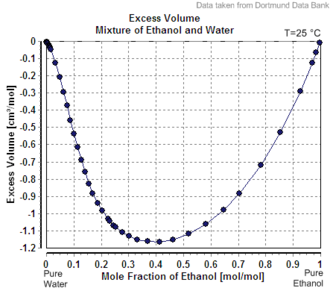
As a fuel, ethanol's combustion reaction releases significant energy: C2H5OH + 3 O2 → 2 CO2 + 3 H2O. This exothermic reaction powers engines and lamps. Chemically, the hydroxyl group (-OH) makes ethanol polar and capable of hydrogen bonding, rendering it miscible with water and many organic solvents.
This solvent property is crucial for its use in dissolving a wide range of substances. Ethanol can undergo dehydration to form ethylene (C2H4), a key olefin used in polymer production. In biological systems, ethanol acts as a central nervous system depressant by interacting with neurotransmitter receptors, particularly GABA receptors.
As an antiseptic, it denatures proteins and dissolves lipids in microbial cell membranes, leading to cell death.
Ethanol's Global Footprint
The global ethanol market is substantial, driven by demand for biofuels and industrial applications. The U.S. and Brazil dominate production, primarily from corn and sugarcane respectively. This large-scale production raises important considerations about agricultural practices, land use, and food security. Research continues into advanced biofuels derived from non-food sources like cellulosic materials, aiming to improve sustainability.
Ethanol's role as a chemical intermediate is also significant; its dehydration to ethylene is a key industrial process. Beyond its tangible uses, the presence of ethanol in interstellar space fuels scientific inquiry into prebiotic chemistry and the potential for life elsewhere. As societies grapple with climate change and energy security, ethanol's position as a renewable fuel and versatile chemical will likely continue to evolve, balancing economic, environmental, and social factors.
Go deeper
Frequently Asked Questions
What is ethanol and where can we find it?+
How is ethanol made by nature?+
Why do people use ethanol as fuel?+
How does ethanol help keep us healthy?+
Did people use ethanol a long time ago?+
Based on content from Wikipedia · Licensed under CC BY-SA 4.0