

Estates Theatre
Images

File:Tai Wo Estate Theatre 201401.jpg


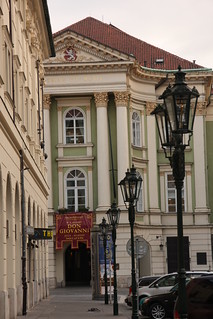
The Estates Theatre
The Estates Theatre, or Stavovské divadlo, stands as a monumental testament to Prague's rich cultural and architectural heritage. Constructed between 1781 and 1783, its Neoclassical design, characterized by its imposing facade and elegant interior, reflects the Enlightenment ideals of order and reason prevalent during its creation. Commissioned by Count František Antonín Nostic-Rieneck, it was intended as a venue for German-language theatrical productions, quickly becoming a focal point for Prague's sophisticated society.
The theatre's enduring appeal lies not only in its aesthetic qualities but also in its remarkable preservation, allowing visitors to experience a space that has remained largely unchanged for centuries. Its integration into the National Theatre in 1948 secured its future, ensuring that this historic edifice continues to serve its original purpose as a vibrant center for the performing arts.
Mozart's 'Don Giovanni'
The Estates Theatre is indelibly linked to one of the most significant events in classical music history: the world premiere of Wolfgang Amadeus Mozart's opera 'Don Giovanni' on October 29, 1787. Mozart, who was in Prague at the time and highly regarded by the city's audiences, personally conducted this groundbreaking performance. The opera, a complex blend of comedy and tragedy, was met with immediate acclaim and has since become a cornerstone of the operatic repertoire.
The choice of the Estates Theatre for this premiere underscores Prague's status as a major European cultural capital during the late 18th century. The theatre's acoustics and atmosphere are often cited as contributing factors to the opera's initial success, making it a hallowed ground for music aficionados worldwide.
The Enduring Significance of a Historic Stage
The Estates Theatre's importance extends far beyond its association with Mozart. It represents a crucial link in the chain of European theatrical history, having hosted a diverse array of performances, from classical dramas to contemporary plays, operas, and ballets. Its survival through various political and social upheavals speaks to its deep cultural resonance within the Czech Republic.
As part of the National Theatre, it continues to foster artistic innovation while honoring its past. The theatre serves as a powerful symbol of national identity and artistic continuity, providing a platform for Czech artists and presenting world-class productions to both local and international audiences. Its ongoing role highlights the vital connection between historical venues and the evolution of performing arts.
A Multifaceted Artistic Hub
Currently, the Estates Theatre functions as a key venue for the three primary artistic ensembles of the National Theatre: opera, ballet, and drama. This tripartite structure allows for a comprehensive and dynamic programming schedule. The opera ensemble presents a repertoire ranging from classic masterpieces to modern works, showcasing the power of the human voice and dramatic narrative.
The ballet company offers visually stunning performances, interpreting stories through intricate choreography and expressive movement. The drama ensemble engages audiences with thought-provoking theatrical productions that explore a wide spectrum of human experience. This collaborative model ensures that the Estates Theatre remains a versatile and vital institution, capable of captivating diverse audiences with a broad range of artistic disciplines.
Go deeper
Frequently Asked Questions
What is the Estates Theatre in Prague?+
Why is the Estates Theatre famous?+
When did Mozart perform his opera there?+
How old is the theatre?+
What can visitors see at the Estates Theatre today?+
Based on content from Wikipedia · Licensed under CC BY-SA 4.0