

Erbil
Images

Erbil




Geopolitical Significance and Environmental Context
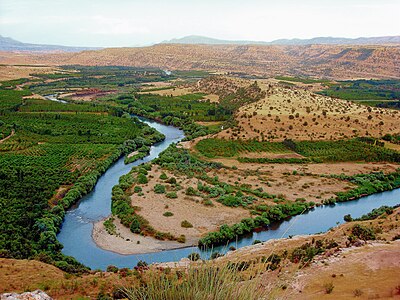
Erbil's strategic location in the northern Mesopotamian plains has historically positioned it as a crucial nexus for trade and cultural exchange. Situated within the Kurdistan Region of Iraq, it benefits from a unique geopolitical status as an autonomous entity. The surrounding landscape is characterized by fertile alluvial plains, historically conducive to agriculture, and the proximity to the Zagros Mountains influences its climate.
Erbil experiences a semi-arid Mediterranean climate, marked by scorching summers and mild, rainy winters. This environmental setting has historically dictated settlement patterns and economic activities, favoring agriculture and pastoralism. The city's elevation and geographical position have also made it a natural defensive stronghold, most notably embodied by the Erbil Citadel, a testament to its enduring strategic importance across millennia.
Its role as a regional capital underscores its administrative and economic gravity within Iraq.
A Palimpsest of Civilizations
Erbil boasts one of the world's longest continuous urban histories, with archaeological evidence pointing to habitation dating back to the 6th millennium BCE. Its strategic location made it a prize for numerous empires, including the Akkadians, Babylonians, Assyrians, Persians, Romans, and later the Umayyads, Abbasids, and Ottomans. Each successive civilization left its imprint, creating a rich historical palimpsest.
The Erbil Citadel, a UNESCO World Heritage site, is the physical embodiment of this deep history, having been continuously inhabited for over 8,000 years. Its historical significance lies not just in its age, but in its role as a center of administration, religion, and trade throughout various epochs. The city has witnessed the rise and fall of empires, adapting and enduring, making its historical narrative a profound study in urban continuity and resilience.
Cultural Synthesis and Societal Dynamics
The cultural landscape of Erbil is a vibrant synthesis, primarily shaped by its Kurdish identity, but also enriched by Arab, Assyrian, Turkmen, and other minority communities. This diversity fosters a dynamic social fabric. Kurdish is the predominant language, with Sorani being the most common dialect, alongside Arabic used in official capacities and by Arab residents.
Traditional Kurdish customs, music, and dance are integral to the city's cultural expression, often showcased during festivals like Nowruz. The concept of hospitality (mizaf) is deeply ingrained in the culture, with residents known for their warmth and generosity towards guests. Modern influences are evident in the growing urban culture, with contemporary arts, cinema, and a burgeoning culinary scene.
The interplay between deeply rooted traditions and modern aspirations defines the contemporary social dynamics of Erbil.
Economic Resilience and Development Trajectory
Erbil has emerged as a significant economic hub, particularly within the Kurdistan Region of Iraq. While the oil and gas sector is a major contributor to its economy, providing substantial revenue for regional development, Erbil's economic base is increasingly diversifying. The service sector is robust, encompassing finance, telecommunications, retail, and hospitality.
The city has actively promoted itself as a center for business and investment, attracting both domestic and international companies. Significant investment has been channeled into infrastructure development, including modern transportation networks, commercial centers, and residential projects, transforming the urban landscape. Agriculture remains a vital component, leveraging the fertile surrounding lands.
Erbil's relative stability and proactive governance have fostered an environment conducive to economic growth and diversification, positioning it as a key player in Iraq's broader economic recovery.
Governance and Autonomy
Erbil's status as the capital of the Kurdistan Region of Iraq grants it a unique and significant role in regional governance. The Kurdistan Region operates as an autonomous entity under the Iraqi constitution, possessing its own legislative, executive, and judicial branches. The Kurdistan Parliament and the Kurdistan Regional Government (KRG), headquartered in Erbil, are responsible for managing the region's affairs, including its budget, natural resources, and internal security.
This autonomy has enabled Erbil to pursue distinct development policies, focusing on infrastructure enhancement, educational reform, and economic diversification. The city's governance structure reflects a complex interplay between regional aspirations and its position within the federal Iraqi state. This self-governance model has been instrumental in Erbil's recent period of rapid development and its emergence as a modern, dynamic metropolis.
See also
Frequently Asked Questions
What is Erbil and why is it special?+
Why is the Erbil Citadel important?+
How does the climate affect life in Erbil?+
What languages do people speak in Erbil?+
What kinds of jobs do people have in Erbil?+
Based on content from Wikipedia · Licensed under CC BY-SA 4.0