

Engraving: Pictures Carved in Time!
Images
Engraving
The Genesis and Evolution of Engraving
Engraving, as a distinct printmaking medium, emerged in Europe during the early 15th century, evolving from earlier metalworking techniques used for decorative purposes on armor and weaponry. Its development into a method for artistic reproduction marked a significant shift in the dissemination of visual culture. Early engravers, often goldsmiths, utilized tools like the burin to incise lines directly into metal plates, typically copper, which offered a balance of durability and workability.
The process involved pushing the burin to create clean, sharp lines, with the depth and width of the cut dictating the tonal value of the resulting print. Unlike relief printing methods like woodcut, engraving is an intaglio process, meaning the ink is held within the incised lines rather than on the raised surface. This technical distinction allows for finer detail and a broader range of tonal gradations.
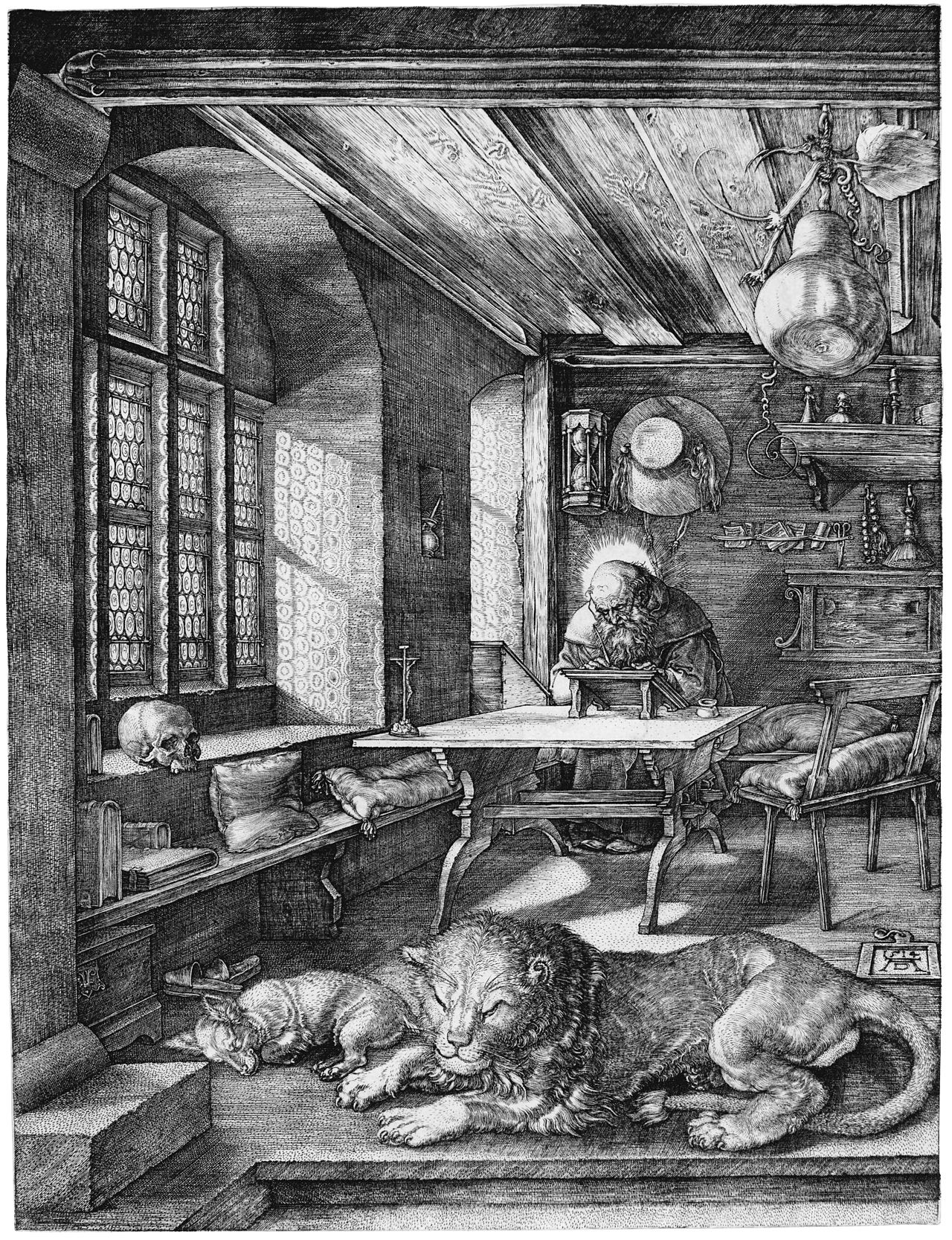
The proliferation of engraving was accelerated by the Renaissance's burgeoning interest in classical art and scientific illustration, providing a means to reproduce and distribute these images widely. Masters like Albrecht Dürer elevated engraving to a high art form, demonstrating its capacity for intricate detail, dramatic chiaroscuro, and profound emotional expression, thereby establishing it as a primary medium for artistic creation and reproduction.
Technical Nuances and Artistic Mastery
The execution of engraving demands exceptional manual dexterity and a deep understanding of line work and tonal control. The engraver's primary tool, the burin, comes in various shapes and sizes, each designed to produce specific types of lines and effects. The process is subtractive; every mark made is permanent and cannot be easily corrected.
This requires meticulous planning and foresight. To achieve tonal variations, engravers employ techniques such as hatching (parallel lines), cross-hatching (intersecting lines), and stippling (dots). The density and direction of these marks create illusions of light, shadow, form, and texture.
The plate is then inked, with the ink being forced into the incised grooves. Excess ink is carefully wiped from the surface, leaving only the ink within the lines. Dampened paper is placed on the inked plate, and the assembly is passed through a printing press.
The immense pressure of the press squeezes the paper into the grooves, transferring the ink and creating a crisp, detailed impression. The durability of metal plates allows for the production of numerous high-quality prints, often hundreds, before the plate begins to show significant wear. This reproducibility was crucial for the economic viability and widespread distribution of engraved works.
Engraving's Enduring Impact on Society and Culture
The impact of engraving extends far beyond the realm of fine art. Historically, it was instrumental in the standardization and dissemination of knowledge. Scientific diagrams, anatomical illustrations, and cartographic maps were rendered with unprecedented accuracy and detail through engraving, facilitating scientific advancement and exploration.
In the political and social spheres, engraved portraits of rulers and prominent figures helped shape public perception and propagate ideologies. Crucially, engraving became the bedrock of security printing. The complexity and precision required to engrave intricate designs made it exceptionally difficult to counterfeit.
This led to its widespread adoption for printing currency, postage stamps, bonds, and other official documents, safeguarding financial systems and governmental authority for centuries. Even as digital technologies have advanced, the principles of intaglio printing, rooted in engraving, remain vital for modern security features on banknotes and identification documents, where micro-engraved patterns and fine lines continue to offer a robust defense against forgery. The aesthetic legacy of engraving also persists, influencing graphic design and the visual language of luxury goods and high-quality publications.
Engraving in the Digital Age
While the advent of photomechanical reproduction and digital printing technologies has largely supplanted traditional engraving for mass-market applications, its influence and relevance persist. The meticulous craftsmanship and unique aesthetic qualities of engraving continue to be appreciated in niche areas. Fine art printmakers still practice and teach traditional engraving, valuing its tactile qualities and the direct engagement with the medium.
Furthermore, the principles of intaglio printing, which engraving exemplifies, are foundational to modern security printing. The intricate line work and micro-text found on banknotes and passports, designed to thwart counterfeiting, are often produced using advanced forms of engraving or related intaglio techniques. These modern applications demonstrate the enduring value of engraving's precision and complexity.
Moreover, historical engravings serve as invaluable primary sources for art historians, social historians, and cultural studies scholars, offering direct insights into the visual culture, artistic practices, and societal values of past eras. The study of these works allows for a deeper understanding of how images were created, circulated, and consumed before the digital revolution, highlighting engraving's pivotal role in shaping the visual landscape of human history.
Go deeper
Frequently Asked Questions
What is engraving?+
How does engraving create images?+
Why was engraving important during the Renaissance?+
How do engravers make different shades?+
What tools do engravers use?+
Based on content from Wikipedia · Licensed under CC BY-SA 4.0