

Emblem of Nepal
Images

Krachao (Thai: กระเชา)




The Genesis and Evolution of Nepal's National Symbol
The Emblem of Nepal, officially adopted on May 28, 2008, signifies a pivotal moment in the nation's modern history, coinciding with the establishment of a federal democratic republic. This emblem serves as the primary official symbol for the Government of Nepal and its various agencies, functioning as a visual cornerstone of national representation. Its design is not static; it underwent a significant revision on June 13, 2020.
This update was particularly noteworthy as it incorporated a revised political map of Nepal, a move that underscored the nation's assertion of its territorial integrity. The inclusion of areas like the Kalapani territory, Lipulekh Pass, and Limpiyadhura in the official map, and subsequently in the emblem, reflects a contemporary political stance and a reaffirmation of national boundaries. This evolution highlights how national symbols can adapt to changing political realities and national priorities, serving as a dynamic representation of the state.
A Tapestry of Geography and Culture Woven into the Emblem
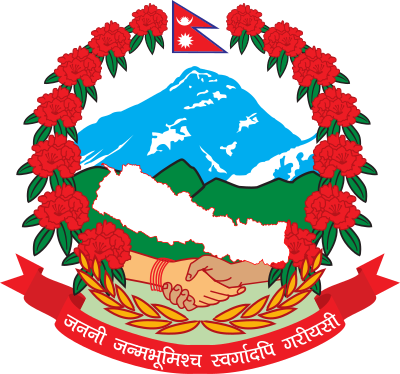
The visual elements of the Emblem of Nepal are deeply symbolic, drawing directly from the nation's distinctive geography and cultural ethos. Dominating the imagery is Mount Everest, the world's highest peak, an iconic representation of Nepal's formidable Himalayan landscape and its global recognition. Complementing the majestic mountain are the lush green hills, symbolizing the diverse and verdant hilly regions that characterize much of the country's terrain.
The golden yellow background is a deliberate choice, signifying the fertile Terai plains, the agricultural heartland of Nepal, which are crucial for its food security and economy. Beyond the natural landscape, the emblem powerfully conveys social values. The depiction of a man's and a woman's hands joined together is a profound statement on gender equality and the importance of partnership and unity within Nepalese society.
This integration of natural grandeur with social ideals makes the emblem a comprehensive representation of the nation.
Layers of Meaning
The emblem is further enriched by a wreath of rhododendrons, Nepal's national flower. These vibrant, hardy flowers are indigenous to the Himalayan region and are deeply cherished for their beauty and resilience. Their inclusion signifies Nepal's unique biodiversity and its strong connection to its natural environment.
The rhododendron wreath not only adds aesthetic appeal but also serves as a symbol of national pride and identity, rooted in the country's natural heritage. The 2020 revision of the emblem, which included an updated map, is particularly significant in the context of geopolitical sensitivities. By visually representing its territorial claims, Nepal is making a clear statement about its sovereign rights and its historical understanding of its borders.
This aspect of the emblem underscores its role not just as a cultural symbol, but also as a political one, actively participating in the discourse of national sovereignty and territorial integrity on the international stage.
The Emblem's Multifaceted Role in National Representation
The Emblem of Nepal functions on multiple critical levels. As the official insignia of the Nepalese government, it lends authority and authenticity to all official documents, decrees, and communications, ensuring clear identification of state-sanctioned activities. Beyond its administrative function, the emblem is a potent vehicle for fostering national unity and collective identity.
By encapsulating key aspects of Nepal's geography-from its highest peaks to its fertile plains-and its commitment to social values like gender equality, it provides a unifying narrative for a diverse populace. It serves as a constant reminder of shared heritage, natural wealth, and societal aspirations. For Nepalis, the emblem is a source of pride, a symbol that encapsulates their nation's distinctiveness and its place in the world, embodying both historical legacy and future ambitions.
See also
Frequently Asked Questions
What does the Emblem of Nepal look like?+
When was the Emblem of Nepal first adopted?+
Why was the emblem updated in 2020?+
What does the joined hands in the emblem represent?+
Why is the rhododendron wreath important in the emblem?+
Based on content from Wikipedia · Licensed under CC BY-SA 4.0