

Ellen DeGeneres
Images

Ellen DeGeneres


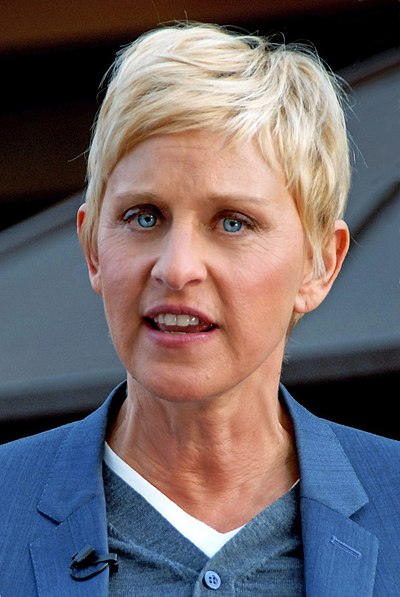


From Punchlines to Primetime
Ellen DeGeneres's journey into the entertainment industry began with the raw energy of stand-up comedy in the early 1980s. Her observational humor, often focusing on the absurdities of everyday life, resonated with audiences, leading to significant national exposure. A pivotal moment was her 1986 appearance on 'The Tonight Show Starring Johnny Carson,' a benchmark for comedians seeking mainstream success.
This exposure opened doors to acting roles, most notably in the sitcom 'Ellen' (1994-1998). While the show achieved popularity, it was her subsequent venture into daytime television that would redefine her career and leave an indelible mark on the media landscape. Her early career demonstrated a keen ability to connect with viewers through humor and authenticity, laying the groundwork for her future endeavors.
A Landmark Coming Out and Its Television Impact
In April 1997, Ellen DeGeneres made a courageous public declaration of her identity, appearing on the cover of TIME magazine with the iconic phrase, 'Yep, I'm gay.' This was a watershed moment for LGBTQ+ visibility in mainstream media. Following this personal revelation, her character in the sitcom 'Ellen' also came out, making it the first time an openly gay character was the protagonist of an American network television series. This storyline was groundbreaking, sparking widespread discussion and challenging societal norms.
DeGeneres's willingness to be open about her identity, both personally and professionally, significantly advanced the conversation around LGBTQ+ rights and representation, paving the way for greater acceptance and diversity on television.
The Enduring Phenomenon of 'The Ellen DeGeneres Show'
Launching in 2003, 'The Ellen DeGeneres Show' quickly became a cultural touchstone, running for 19 seasons until 2022. The show's format, characterized by its emphasis on kindness, humor, and uplifting stories, garnered immense popularity and critical acclaim, evidenced by its record-breaking 33 Daytime Emmy Awards. Ellen's signature style – her infectious laugh, energetic dancing, and genuine interactions with guests and audience members – created a unique atmosphere of warmth and positivity.
The show transcended typical talk show fare, becoming a daily ritual for millions and a platform for promoting empathy and social good, solidifying its place as one of the most successful and influential daytime programs in television history.
A Multifaceted Career
Ellen DeGeneres's impact stretches far beyond her talk show. Her voice work as the perpetually forgetful Dory in Disney Pixar's 'Finding Nemo' (2003) and 'Finding Dory' (2016) earned her widespread adoration and critical praise, showcasing her versatility as a performer. Her career has been punctuated by numerous prestigious accolades, including the Mark Twain Prize for American Humor, recognizing her significant contributions to comedy.
In 2016, she received the Presidential Medal of Freedom, the nation's highest civilian honor, acknowledging her profound cultural influence. Beyond performance, DeGeneres has also ventured into writing, producing, and entrepreneurship, founding a record label, a production company, and a lifestyle brand, demonstrating a sustained ability to innovate and connect with audiences across various platforms.
Navigating Controversy and Evolving Public Perception
While Ellen DeGeneres achieved immense success and widespread admiration, her talk show's final years were marked by significant controversy. Allegations of workplace bullying surfaced in 2020, leading to internal investigations and intense public scrutiny. This period saw a notable decline in public support and a shift in her public image, prompting discussions about the complexities of celebrity and workplace dynamics.
The controversy ultimately contributed to the decision to end 'The Ellen DeGeneres Show' in 2022. This chapter highlights the challenges of maintaining public trust and the evolving nature of celebrity accountability in the modern media era, prompting reflection on her legacy and the broader implications for public figures.
See also
Frequently Asked Questions
Who is Ellen DeGeneres?+
Why did Ellen say "Yep, I'm gay" on TIME magazine?+
How did Ellen's talk show become so popular?+
Where did Ellen voice a fish named Dory?+
When did Ellen's talk show start and finish?+
Based on content from Wikipedia · Licensed under CC BY-SA 4.0