

Electrical Engineering: Powering Our World!
Images
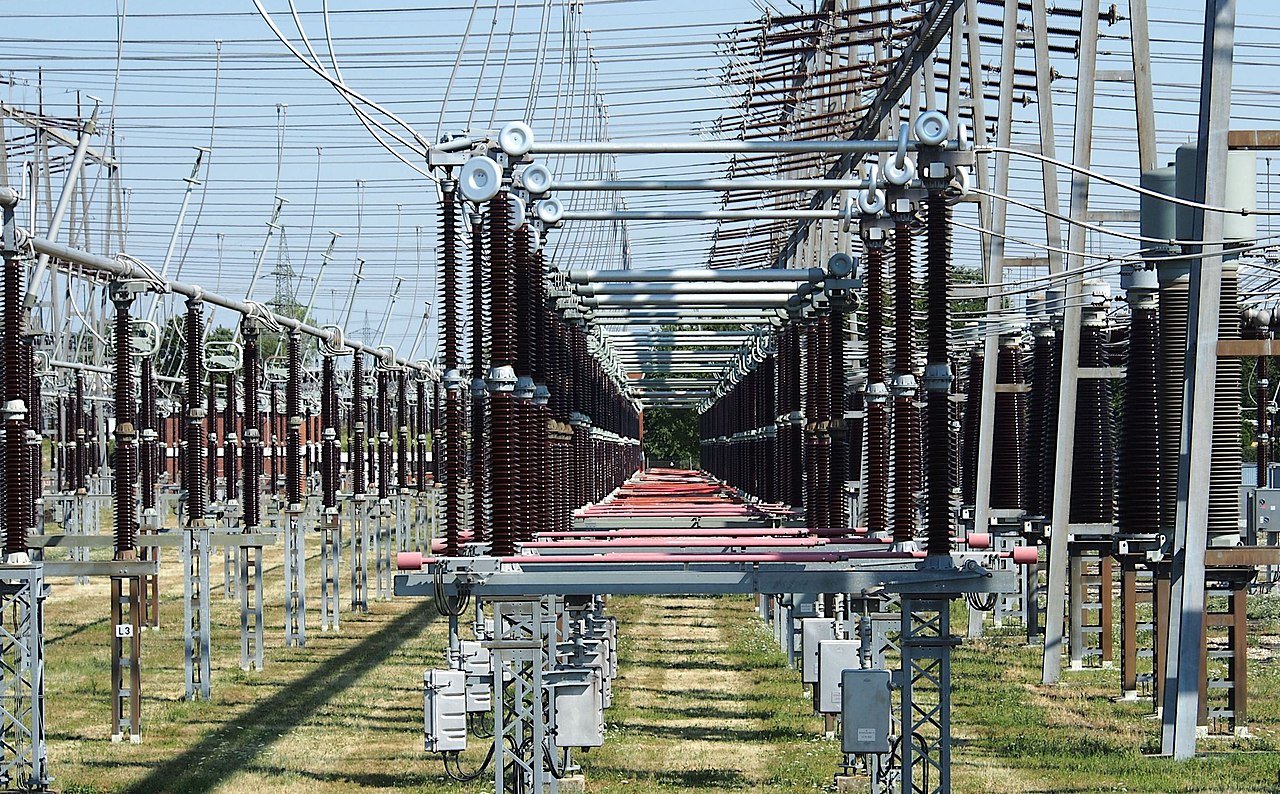
Electrical engineering


The Genesis of Control
Electrical engineering, as a distinct discipline, emerged from the scientific revolution of the 18th and 19th centuries, evolving from the study of electricity and magnetism. Early investigations by figures like Benjamin Franklin and Michael Faraday laid the groundwork, but it was the late 19th century that witnessed its true professionalization. The invention of the practical incandescent light bulb by Thomas Edison and the development of alternating current (AC) systems by Nikola Tesla marked pivotal moments, demonstrating the potential for widespread electrical power distribution.
This era also saw the invention of the telegraph and telephone, highlighting the power of electrical signals for communication. The 20th century brought further acceleration with the invention of the vacuum tube, leading to early electronics, followed by the revolutionary transistor in 1947 and the integrated circuit (IC) in the late 1950s. These solid-state devices miniaturized electronics, paving the way for computers, telecommunications, and the digital age, fundamentally transforming the scope and impact of electrical engineering.
The Language of Electrons
At its core, electrical engineering involves the study and application of electricity, electronics, and electromagnetism. Engineers utilize fundamental laws such as Ohm's Law (V=IR) and Kirchhoff's circuit laws to analyze and design electrical systems. The field is broadly categorized into several sub-disciplines. Power engineering focuses on the generation, transmission, and distribution of electrical energy, including the design of power plants, grids, and renewable energy systems.
Electronics engineering deals with the design of electronic circuits, devices, and systems, ranging from microprocessors and sensors to communication systems. Control engineering applies electrical principles to design systems that regulate the behavior of other devices or processes, crucial for automation and robotics. Signal processing involves the manipulation and analysis of signals, whether analog or digital, for applications in communications, imaging, and audio. Electromagnetics and RF (Radio Frequency) engineering explore the behavior of electromagnetic fields and their applications in antennas, wireless communication, and radar.
The Indispensable Engine
The impact of electrical engineering on global society and the economy is profound and pervasive. It is the bedrock upon which modern technological infrastructure is built. Communication networks, from the internet and mobile telephony to satellite systems, are direct products of electrical engineering innovation, enabling unprecedented global connectivity and information exchange.
The power sector, managed by electrical engineers, is fundamental to industrial production, urban development, and daily life; reliable electricity is a prerequisite for virtually all economic activity. Furthermore, advancements in medical technology, such as MRI machines, pacemakers, and sophisticated diagnostic tools, are heavily reliant on electrical engineering expertise. The ongoing transition to sustainable energy sources, including solar, wind, and advanced battery storage, is another critical area where electrical engineers are leading the charge, addressing global climate challenges and ensuring energy security for the future.
Its contributions are not merely incremental; they are transformative, driving progress and defining the capabilities of contemporary civilization.
Ubiquitous Applications
The reach of electrical engineering is virtually limitless, manifesting in a staggering array of applications. Embedded systems, small, specialized computers designed for specific functions, are found in everything from automobiles and home appliances to industrial machinery and medical devices, all designed and implemented by electrical engineers. In telecommunications, engineers develop the sophisticated hardware and protocols for wireless communication (5G, Wi-Fi), fiber optics, and satellite systems.
The field of robotics, crucial for automation in manufacturing, exploration, and healthcare, relies heavily on electrical engineers for designing control systems, sensors, and power management. Furthermore, electrical engineers are at the forefront of emerging fields like quantum computing, developing the cryogenic control systems and specialized electronics required to manipulate quantum bits (qubits). Their work also extends to advanced materials science, developing new semiconductors and superconductors that enable next-generation electronic devices and energy solutions.
Go deeper
Frequently Asked Questions
What is electrical engineering and why is it important?+
How did the light bulb and AC power change our world?+
What inventions grew from electrical engineering?+
What are the main parts of electrical engineering?+
How does electrical engineering help make our future greener?+
Based on content from Wikipedia · Licensed under CC BY-SA 4.0