

Electric Motor: The Spinny Magic Machine!
Images
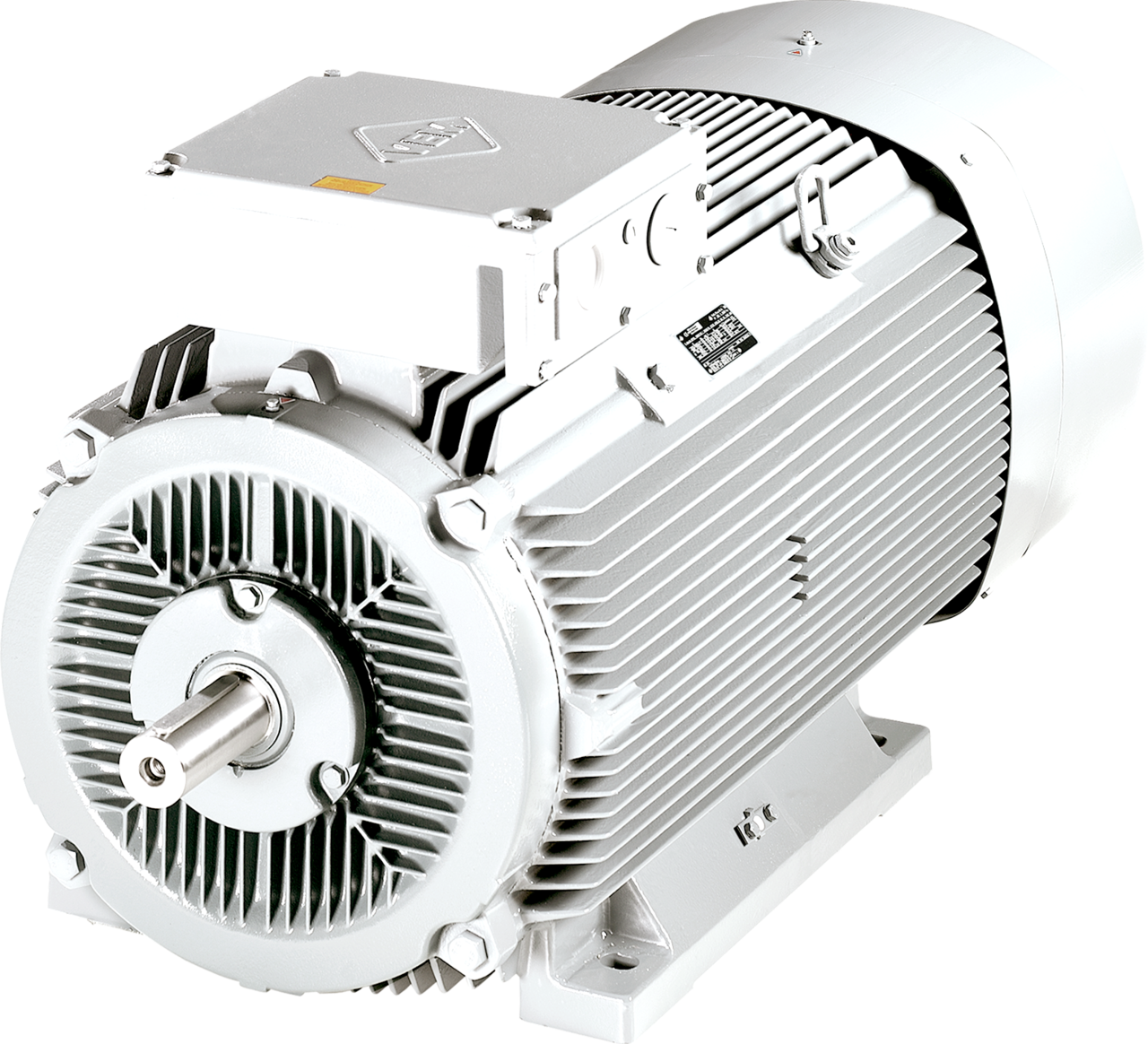
Electric motor


The Ubiquitous Electromechanical Transducer
An electric motor is a transducer that converts electrical energy into mechanical energy. This fundamental conversion process is the bedrock of countless technologies that define our modern world. Unlike internal combustion engines that rely on burning fuel, electric motors harness the principles of electromagnetism to generate torque and produce rotational motion.
This inherent efficiency and versatility have made them indispensable across a vast spectrum of applications. From the micro-motors in medical devices and consumer electronics to the colossal motors powering industrial machinery, ships, and electric trains, their presence is pervasive. The ability to precisely control speed and torque, coupled with their relatively low maintenance requirements, makes them superior to many mechanical alternatives in numerous scenarios.
Their development has been a critical enabler of automation and technological advancement throughout the last two centuries.
A Historical Trajectory from Discovery to Dominance
The conceptualization of the electric motor traces back to the early 19th century, spurred by groundbreaking discoveries in electromagnetism. Michael Faraday's work in the 1820s and 1830s laid the theoretical groundwork, demonstrating that an electric current could produce a magnetic field capable of exerting force. Early experimental devices, such as those by Ányos Jedlik (1828) and Thomas Davenport (1837), showcased the potential, though they were often inefficient and impractical for widespread use.
The development of practical, commercially viable electric motors accelerated in the latter half of the 19th century with innovations in materials science and engineering, including the invention of the commutator by Werner von Siemens. This period saw the rise of direct current (DC) motors and later, alternating current (AC) motors, pioneered by figures like Nikola Tesla and Galileo Ferraris. The widespread adoption of AC power distribution systems in the late 19th and early 20th centuries was crucial for the proliferation of AC motors, making them the dominant choice for industrial applications.
Societal Impact
The impact of electric motors on society is profound and multifaceted. They have been instrumental in driving industrial revolutions, enabling mass production through automation and powering machinery that would be impossible to operate manually. In domestic life, they have liberated humans from arduous chores, powering appliances that have dramatically improved quality of life and hygiene.
More recently, electric motors have become central to the global effort towards sustainability. The burgeoning electric vehicle (EV) market, powered by advanced electric motors, offers a pathway to reduce reliance on fossil fuels and mitigate climate change. These motors are significantly more energy-efficient than combustion engines, and their silent operation reduces noise pollution.
Furthermore, electric motors are key components in renewable energy systems, such as wind turbines, which convert wind energy into electricity.
The Electrodynamic Principles of Motion
At its core, an electric motor operates on the principle that a current-carrying conductor placed in a magnetic field experiences a force. This force is described by the Lorentz force law. In a typical motor, this involves the interaction between the magnetic field produced by permanent magnets or electromagnets in the stator and the magnetic field generated by current flowing through coils wound on the rotor.
The torque produced by this interaction causes the rotor to rotate. For continuous rotation, the direction of current in the rotor coils must be switched in sync with the rotor's position, a function performed by a commutator in DC motors or by the alternating nature of the AC power supply in AC motors. The efficiency of a motor is determined by factors such as resistance in the windings, magnetic losses, and mechanical friction, with modern motors achieving efficiencies exceeding 90%.
Types and Future Frontiers
Electric motors are broadly categorized into Direct Current (DC) motors and Alternating Current (AC) motors. DC motors include brushed and brushless types, each with distinct advantages. Brushless DC motors (BLDC) are increasingly favored for their efficiency, longevity, and precise control, making them ideal for applications like drones, EVs, and robotics.
AC motors include induction motors (the workhorse of industry) and synchronous motors. Emerging research focuses on developing even more efficient, compact, and powerful motors, utilizing advanced materials like rare-earth magnets and novel winding techniques. The integration of motors with sophisticated control electronics and artificial intelligence is paving the way for 'smart' motors that can self-diagnose and optimize performance, further expanding their capabilities and applications in the era of Industry 4.0 and beyond.
Go deeper
Frequently Asked Questions
What is an electric motor and how does it work?+
Why are electric motors better than gasoline engines?+
How did people first invent electric motors?+
Where can we find electric motors today?+
Why are electric motors important for the planet?+
Based on content from Wikipedia · Licensed under CC BY-SA 4.0