

Ecosystem Service: Nature's Amazing Gifts!
Images

Soil for sustainable food production and ecosystem services



Defining the Indispensable
Ecosystem services represent the vast array of benefits that human societies derive, directly or indirectly, from the functioning of ecosystems. These services are not merely incidental byproducts of nature but are fundamental to human survival, well-being, and economic prosperity. They encompass the interconnected living and non-living components of the natural environment that provide essential goods and functions.
These benefits range from the tangible, such as the food we eat and the water we drink, to the intangible, like the spiritual inspiration drawn from natural landscapes. Understanding ecosystem services is crucial for appreciating the deep interdependence between human civilization and the natural world, highlighting that our own existence is inextricably linked to the health and vitality of ecological systems.
The Evolution of Recognizing Nature's Value
While humans have always relied on natural resources, the formal conceptualization and widespread recognition of 'ecosystem services' as a distinct field of study is relatively recent. Indigenous cultures have long understood the interconnectedness of nature and its provisions. However, the modern framework gained significant traction with the early 2000s Millennium Ecosystem Assessment (MA), a landmark initiative by the United Nations.
The MA aimed to assess the consequences of ecosystem change for human well-being and to highlight the scientific basis for action needed to sustain ecosystems and human well-being. This global effort categorized services, bringing them into policy and economic discussions and shifting the perspective from viewing nature as merely a resource to understanding it as a provider of essential, often irreplaceable, functions.
The Pillars of Sustainability
The significance of ecosystem services lies in their foundational role across all aspects of human society. They are broadly categorized into four types: provisioning, regulating, supporting, and cultural services. Provisioning services deliver tangible products like food, fresh water, timber, and genetic resources.
Regulating services manage natural processes, such as climate regulation through carbon sequestration, flood control by wetlands, and disease regulation. Supporting services are the underlying ecological processes necessary for all other services, including nutrient cycling, soil formation, and primary production (the creation of organic matter by plants). Cultural services encompass the non-material benefits, like recreation, aesthetic beauty, spiritual enrichment, and educational opportunities, which contribute significantly to mental health and quality of life.
The degradation of any of these service categories can have profound negative impacts on human societies and economies.
Nature's Intricate Machinery
Ecosystems function through complex, interconnected processes that deliver these vital services. For instance, the pollination service, crucial for agriculture, is performed by a diverse array of organisms, primarily insects like bees, but also birds, bats, and other animals. This supporting service directly underpins provisioning services (food production).
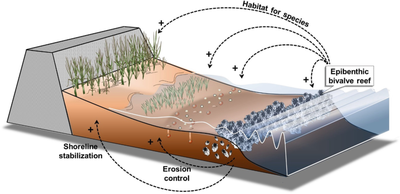
Coastal and estuarine ecosystems exemplify the multifaceted delivery of services. They provide marine resources and genetic diversity (provisioning), facilitate nutrient cycling and primary production (supporting), mitigate climate change by sequestering carbon and protect shorelines from storm surges (regulating), and offer significant opportunities for recreation and tourism (cultural). The efficiency and reliability of these services depend on the health and biodiversity of the ecosystem, making conservation efforts directly linked to human welfare.
Case Studies
Real-world applications and challenges illuminate the concept of ecosystem services. For example, the Amazon rainforest provides immense regulating services by influencing regional and global climate patterns and storing vast amounts of carbon. Its provisioning services include timber, non-timber forest products, and freshwater.
However, deforestation for agriculture and logging threatens these services, leading to increased carbon emissions, altered rainfall patterns, and biodiversity loss. Conversely, urban green spaces, like parks and green roofs, are increasingly recognized for their ability to provide regulating services (reducing urban heat island effect, managing stormwater) and cultural services (recreation, improved mental health) within densely populated areas. Assigning economic value to these services, though complex, is becoming a critical tool in conservation policy and sustainable development planning, aiming to integrate ecological health into economic decision-making.
See also
Frequently Asked Questions
What are ecosystem services?+
How do bees help us?+
Why do forests help keep the climate balanced?+
What are cultural services of nature?+
What happens if we damage the oceans?+
Based on content from Wikipedia · Licensed under CC BY-SA 4.0