

Domestic Worker
Images
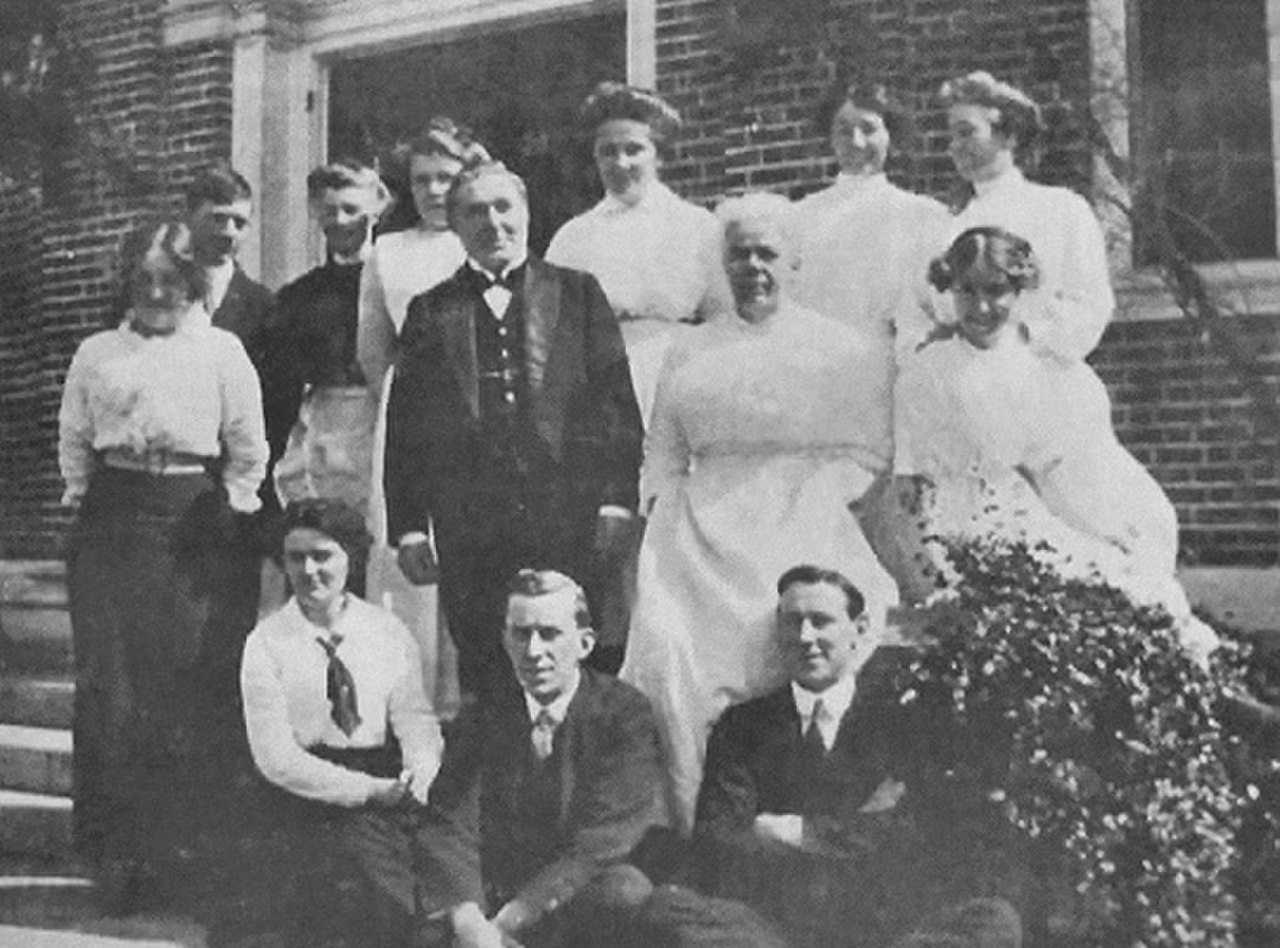
Domestic worker
Defining the Scope
Domestic workers constitute a vital, yet often overlooked, segment of the global labor force. They are individuals employed in private households to perform a range of services, encompassing cleaning, cooking, childcare, elder care, laundry, and general household management. This profession is characterized by its intimate nature, requiring a high degree of trust and personal interaction between the worker and the employer.
The services provided are fundamental to the functioning of households, particularly in contemporary society where dual-income families and complex schedules are common. Their work directly impacts the quality of life for families, contributing to a stable home environment, enabling parents to participate more fully in the workforce, and ensuring the well-being of children and other dependents. The diversity within domestic work ranges from highly skilled roles like nannies with pedagogical training to general cleaners, reflecting a broad spectrum of responsibilities and required competencies.
Historical Trajectories
The history of domestic work is deeply intertwined with social hierarchies and economic development. In ancient civilizations, domestic labor was predominantly performed by enslaved individuals or indentured servants, forming the bedrock of household economies for the elite. With the advent of industrialization, domestic service emerged as a significant employment sector, particularly for women migrating from rural areas to urban centers.
It offered one of the few avenues for economic independence, albeit often under precarious conditions. The 20th century saw increasing calls for the recognition of domestic workers' rights, culminating in international efforts to formalize the profession. The International Labour Organization (ILO) Convention No. 189, adopted in 2011, marked a pivotal moment, aiming to ensure decent work for domestic workers by establishing standards for wages, working hours, and social protection, thereby shifting the perception from informal labor to a recognized profession.
Socioeconomic Significance
The importance of domestic workers extends far beyond individual households; they are crucial enablers of broader economic and social productivity. By providing essential care and household management services, they allow other family members, particularly women who disproportionately bear caregiving responsibilities, to engage in paid employment, education, or public life. This contribution is often termed the 'care economy' or 'invisible infrastructure' that supports the formal economy.
For many families, particularly those with young children or elderly relatives, domestic workers are indispensable for maintaining a functional household and ensuring the well-being of dependents. Their labor directly contributes to social stability by supporting family structures and reducing the burden of unpaid care work, which is essential for societal progress and gender equality.
Operational Dynamics
The operational dynamics of domestic work involve a unique employer-employee relationship within a private sphere. Key aspects include the negotiation of terms of employment, which typically cover duties, working hours, remuneration, accommodation (if provided), and leave entitlements. Unlike formal employment settings, domestic work often lacks clear boundaries between work and personal life, which can lead to challenges in ensuring fair labor practices.
The nature of the tasks can be physically demanding and emotionally taxing, requiring workers to be adaptable, resourceful, and possess strong interpersonal skills. Modern domestic work is increasingly influenced by technology, with online platforms connecting employers and workers, and the introduction of labor-saving devices changing the nature of some tasks. However, the core human element of care and service remains central.
Global Impact and Advocacy
Domestic workers represent a substantial global workforce, with millions employed across diverse economic landscapes. Their contributions are particularly significant in developing countries, where they often provide a crucial source of income for vulnerable populations, including migrant women. Despite their economic importance, domestic workers frequently face issues such as low wages, long working hours, lack of social security, and vulnerability to exploitation and abuse.
International advocacy, spearheaded by organizations like the ILO and various trade unions and NGOs, is vital in promoting decent work for domestic employees. These efforts focus on raising awareness, advocating for legal protections, facilitating unionization, and ensuring that domestic workers have access to fair treatment, respect, and opportunities for professional development, thereby integrating them fully into the formal economy and society.
See also
Frequently Asked Questions
What is a domestic worker?+
Why do families need domestic workers?+
How do domestic workers help parents work outside the home?+
Are domestic workers protected by laws?+
What kinds of jobs can a domestic worker do?+
Based on content from Wikipedia · Licensed under CC BY-SA 4.0