

Digestive Enzymes: Your Body's Tiny Helpers!
Images

Passiflora foetida - Wild Maracuja - Bracts trap insects with a stickly substance that contains digestive enzymes - Fruit is the size of ping pong ball - Orange red when ripe with mildly sweet bluish white pulp.
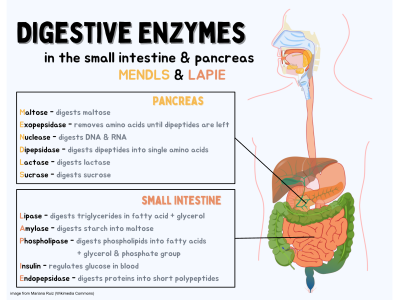


The Biochemical Foundation of Digestion
Digestive enzymes are the workhorses of chemical digestion, facilitating the hydrolysis of complex food molecules into simpler, absorbable units. This process is crucial for nutrient assimilation, transforming ingested macromolecules like carbohydrates, proteins, and lipids into monosaccharides, amino acids, and fatty acids, respectively. These enzymes are typically secreted into the lumen of the digestive tract by specialized cells and glands, including the salivary glands, gastric mucosa, pancreas, and the intestinal epithelium.
Their catalytic activity is highly specific, meaning each enzyme targets a particular type of substrate, ensuring an orderly and efficient breakdown. The mechanical processes of digestion, such as mastication and peristalsis, prepare the food by increasing its surface area, thereby optimizing the enzymatic action. Without this sophisticated enzymatic machinery, the energy and building blocks essential for cellular function and organismal survival would remain inaccessible.
A Coordinated Enzymatic Cascade
The digestive process involves a sequential and coordinated enzymatic cascade across different regions of the gastrointestinal tract. Initial carbohydrate digestion begins in the mouth with salivary amylase. Upon reaching the stomach, the acidic environment denatures some proteins, and pepsin, a protease, initiates protein breakdown. However, the majority of enzymatic activity and subsequent nutrient absorption occurs in the small intestine, particularly the duodenum.
Here, pancreatic enzymes, such as pancreatic amylase, trypsin, chymotrypsin, and pancreatic lipase, are released into the intestinal lumen. The intestinal wall itself also secretes brush border enzymes, including disaccharidases and peptidases, which complete the breakdown of carbohydrates and proteins. This intricate interplay of enzymes from multiple sources ensures comprehensive digestion, preparing nutrients for transport across the intestinal epithelium into the bloodstream and lymphatic system.
Enzyme Specificity and Regulation
Digestive enzymes exhibit remarkable substrate specificity, a hallmark of enzyme function governed by their unique three-dimensional structures and active sites. For instance, proteases like trypsin cleave peptide bonds at specific amino acid residues, while lipases hydrolyze ester bonds in triglycerides. This specificity prevents unwanted reactions and ensures efficient processing of dietary components.
The activity of these enzymes is also tightly regulated by hormonal and neural signals. For example, the presence of food in the stomach and duodenum triggers the release of hormones like secretin and cholecystokinin, which stimulate the secretion of pancreatic enzymes and bile. This regulatory network ensures that enzymes are released when and where they are needed, optimizing digestion and preventing autodigestion of the digestive tract itself.
Evolutionary Adaptations and Modern Relevance
The evolution of digestive enzymes reflects diverse dietary adaptations across species. Carnivores often possess more robust proteolytic enzyme systems, while herbivores have evolved complex mechanisms, including symbiotic microbial fermentation, to digest plant cellulose. Even in the plant kingdom, digestive enzymes play a role, as exemplified by carnivorous plants that secrete enzymes to break down captured prey for nutrient acquisition in nutrient-poor environments.
In modern medicine, understanding digestive enzymes is crucial for diagnosing and treating malabsorption disorders, enzyme deficiencies (like lactose intolerance), and developing enzyme replacement therapies. Research continues to explore novel applications, from improving food processing to developing targeted drug delivery systems.
See also
Frequently Asked Questions
What are digestive enzymes?+
Where do digestive enzymes come from?+
How do digestive enzymes work on food?+
Why do we need different enzymes in the mouth, stomach, and small intestine?+
How does the body know when to release digestive enzymes?+
Based on content from Wikipedia · Licensed under CC BY-SA 4.0