

The Pancreas: Your Body's Secret Helper!
Images
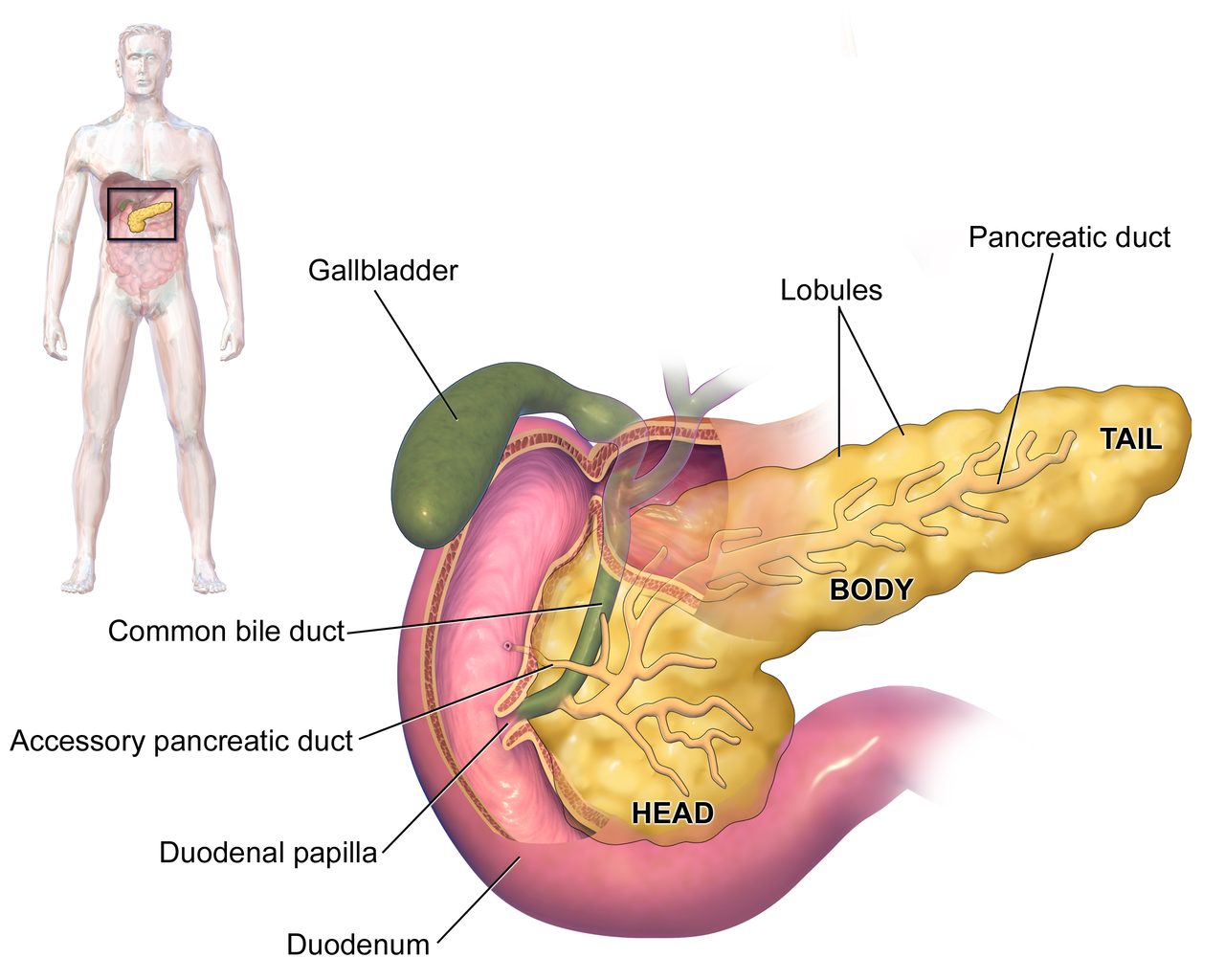
Pancreas
The Pancreas
The pancreas, a retroperitoneal organ situated in the upper abdomen, is a remarkable example of a dual-glandular organ, performing both exocrine and endocrine functions. Anatomically, it's divided into a head, neck, body, and tail, with a main pancreatic duct that merges with the common bile duct before emptying into the duodenum. Its exocrine component, making up about 80-90% of the pancreas, consists of acinar cells that synthesize and secrete a potent mixture of digestive enzymes.
These include amylase for carbohydrate digestion, lipase for fats, and proteases like trypsin and chymotrypsin for proteins. These enzymes are crucial for breaking down macronutrients into absorbable units, a process vital for nutrient assimilation and energy extraction from food. The endocrine component, comprising the Islets of Langerhans, is scattered throughout the exocrine tissue.
These specialized cell clusters produce and secrete hormones directly into the bloodstream. The alpha cells produce glucagon, while the beta cells produce insulin, with delta cells producing somatostatin and PP cells producing pancreatic polypeptide. This intricate interplay between digestion and hormonal regulation highlights the pancreas's central role in maintaining overall physiological balance.
Evolutionary Roots and Developmental Genesis of the Pancreas
The evolutionary journey of the pancreas reflects the development of complex digestive and metabolic systems in vertebrates. Its origins can be traced back to early vertebrates where rudimentary digestive glands evolved to aid in nutrient processing. Over time, these structures differentiated and specialized, leading to the sophisticated dual-glandular organ seen in mammals.
Embryologically, the pancreas arises from outpouchings of the primitive foregut endoderm. Two buds, the ventral and dorsal pancreatic buds, form and eventually fuse. The ventral bud typically forms the uncinate process and the inferior part of the head, while the dorsal bud forms the rest of the head, body, and tail.
This complex developmental process involves precise signaling pathways and cell differentiation to establish both the exocrine acinar tissue and the endocrine Islets of Langerhans. Disruptions in this developmental cascade can lead to congenital anomalies, underscoring the critical nature of its formation.
Metabolic Mastery
The endocrine function of the pancreas is paramount for maintaining glucose homeostasis, a delicate balance of blood sugar levels essential for cellular function and overall health. Insulin, secreted by pancreatic beta cells, is the primary hormone responsible for lowering blood glucose. It facilitates glucose uptake by peripheral tissues, particularly muscle and adipose tissue, and promotes glycogen synthesis in the liver and muscles, thereby storing excess glucose.
Conversely, glucagon, produced by alpha cells, acts antagonistically to insulin. When blood glucose levels fall, glucagon stimulates hepatic glycogenolysis (breakdown of stored glycogen) and gluconeogenesis (synthesis of glucose from non-carbohydrate sources), thereby raising blood glucose. This finely tuned interplay between insulin and glucagon, orchestrated by the pancreas, prevents dangerous fluctuations in blood sugar, ensuring a consistent energy supply to the brain and other vital organs.
Dysregulation of this system, as seen in diabetes mellitus, has profound systemic consequences, highlighting the pancreas's critical role in metabolic health.
The Pancreas as a Digestive Catalyst and Nutrient Processor
The exocrine function of the pancreas is indispensable for efficient digestion and nutrient absorption. The pancreatic juice secreted into the duodenum is alkaline, neutralizing the acidic chyme from the stomach and providing an optimal environment for pancreatic enzymes. These enzymes are secreted in inactive precursor forms (zymogens) to prevent self-digestion of the pancreas and are activated in the small intestine.
For instance, trypsinogen is activated to trypsin by an enzyme called enterokinase, and trypsin then activates other proteases. Amylase breaks down complex carbohydrates into disaccharides and oligosaccharides, while lipase, aided by bile salts, hydrolyzes triglycerides into fatty acids and monoglycerides. The efficient breakdown of these macronutrients is critical for their absorption and subsequent utilization for energy, growth, and repair.
Conditions affecting pancreatic exocrine function, such as cystic fibrosis or chronic pancreatitis, can lead to malabsorption syndromes, characterized by steatorrhea (fat in stool) and nutrient deficiencies.
Clinical Significance and Modern Relevance of Pancreatic Research
The pancreas is central to several significant medical conditions, making research into its function and pathology a high priority. Pancreatic cancer, often diagnosed at late stages, has a poor prognosis and is a major focus of oncological research, with efforts aimed at early detection and novel therapeutic strategies. Diabetes mellitus, a chronic metabolic disorder characterized by hyperglycemia, is directly linked to pancreatic beta-cell dysfunction or insulin resistance.
Understanding the mechanisms of insulin secretion and action is crucial for developing effective treatments, including insulin therapy, oral hypoglycemic agents, and emerging cell-replacement therapies like islet transplantation. Furthermore, research into pancreatic diseases like pancreatitis (inflammation of the pancreas) and cystic fibrosis (which affects pancreatic enzyme secretion) continues to improve patient outcomes. Advances in imaging techniques, genetic analysis, and molecular biology are providing deeper insights into the complex physiology of the pancreas, paving the way for more targeted and personalized medical interventions.
Go deeper
Frequently Asked Questions
What does the pancreas do in our body?+
Where is the pancreas located inside the body?+
How does the pancreas help us digest food?+
How does the pancreas keep our blood sugar balanced?+
What are the different parts of the pancreas and what do they do?+
Based on content from Wikipedia · Licensed under CC BY-SA 4.0