

Dictydiaethalium: The Amazing Slime Molds!
Images
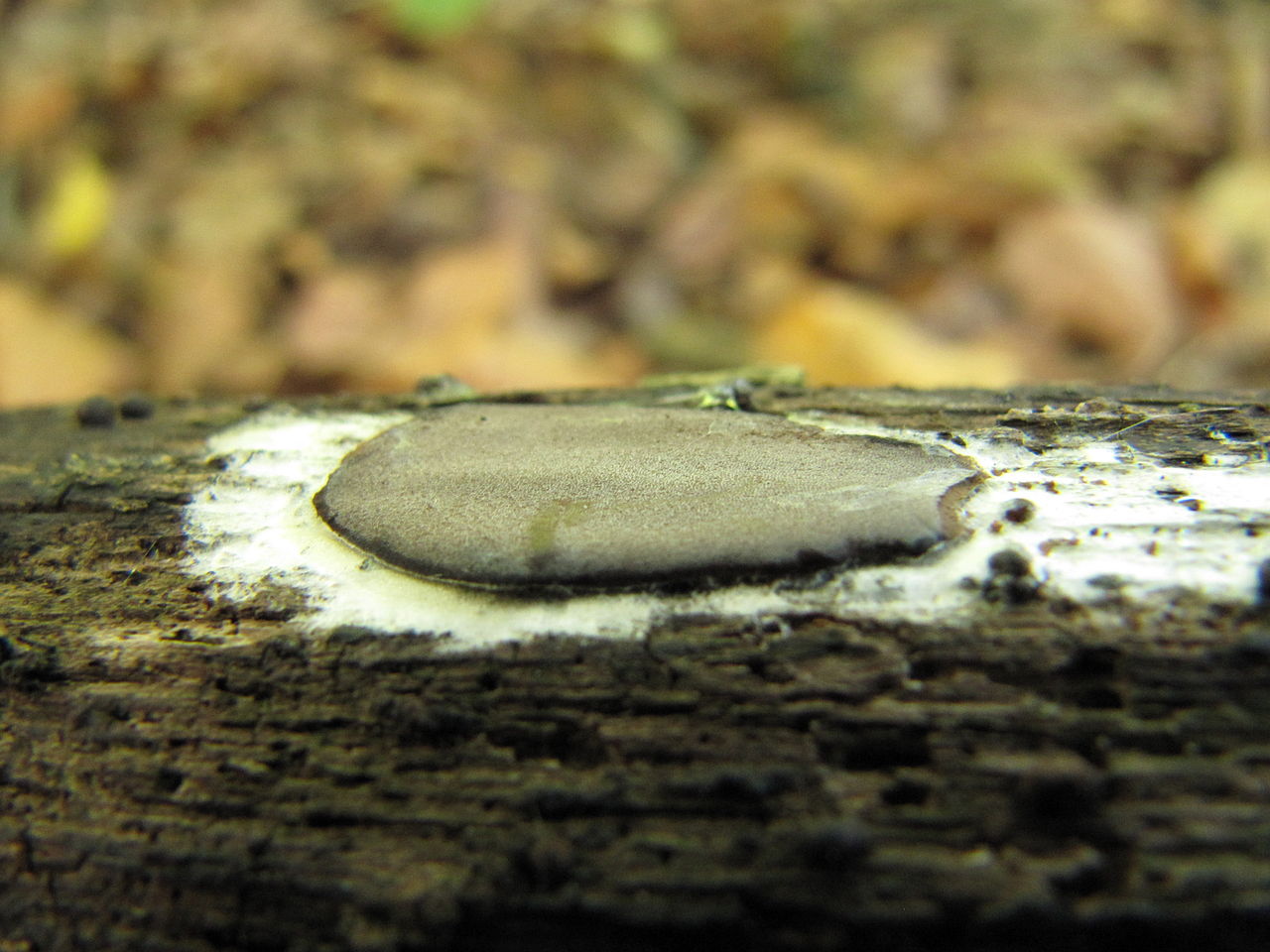
Dictydiaethalium plumbeum 2011-09-29


The Enigmatic Kingdom of Mycetozoa
Dictydiaethalium represents a fascinating genus within the Mycetozoa, a group of eukaryotic organisms often referred to as slime molds. These are not true fungi, plants, or animals, but occupy a unique evolutionary niche. The genus comprises at least two recognized species: Dictydiaethalium plumbeum and Dictydiaethalium dictyosporum.
In their vegetative stage, they exist as a plasmodium, a multinucleated mass of protoplasm that creeps along surfaces, absorbing nutrients. This plasmodium is the mobile, feeding phase, and it is responsible for the organism's ability to explore its environment. When conditions become unfavorable, or when food is abundant and reproduction is triggered, the plasmodium differentiates into fruiting bodies, or sporangia, which are responsible for spore dispersal.
The morphology of these sporangia, often characterized by intricate structures, is key to species identification within the genus.
Ecological Significance
The ecological role of Dictydiaethalium, like other slime molds, is profoundly important for terrestrial ecosystems. Their primary food source consists of bacteria, yeast, and fungal spores, making them highly effective decomposers. By consuming these microorganisms, they accelerate the breakdown of dead organic matter, such as fallen leaves, decaying wood, and animal waste.
This process is fundamental to nutrient cycling, releasing essential elements like carbon, nitrogen, and phosphorus back into the soil, making them available for uptake by plants. In essence, Dictydiaethalium acts as a biological filter and recycler, preventing the accumulation of detritus and supporting the productivity of the entire ecosystem. Their presence is often an indicator of a healthy, functioning forest floor environment.
Habitat Preferences and Global Distribution
Dictydiaethalium species are predominantly found in mesic to humid environments, thriving in shaded and damp microhabitats. Their preferred habitats include the forest floor, where they colonize decaying logs, leaf litter, and humus-rich soil. These conditions provide the necessary moisture and substrate for their plasmodial stage to spread and feed.
Geographically, they have a widespread distribution, occurring in temperate and tropical regions across the globe, wherever these specific environmental conditions are met. Their reliance on consistent moisture means they are particularly sensitive to desiccation, and their activity often correlates with periods of rainfall or high humidity. Understanding their habitat requirements is crucial for ecological studies and for appreciating their role in diverse biomes.
Emergent Intelligence
Perhaps the most captivating aspect of Dictydiaethalium and slime molds in general is their capacity for complex, seemingly intelligent behavior, despite lacking a nervous system. Research has demonstrated their ability to solve mazes, find optimal paths between food sources, and even anticipate periodic events. A landmark study involved a slime mold (Physarum polycephalum, a related genus) connecting multiple food sources arranged in a pattern mimicking the major cities around Tokyo.
The slime mold efficiently created a network that closely resembled the existing railway system, minimizing redundant connections and maximizing efficiency. This behavior, termed 'emergent intelligence,' suggests that complex problem-solving can arise from simple decentralized interactions within a biological system. Studying these capabilities offers profound insights into the fundamental principles of computation, network optimization, and the evolution of intelligence itself.
See also
Frequently Asked Questions
What is Dictydiaethalium?+
How do Dictydiaethalium slime molds move and eat?+
Where do Dictydiaethalium slime molds live?+
Why are Dictydiaethalium slime molds important for the environment?+
Do Dictydiaethalium slime molds show any smart behavior?+
Based on content from Wikipedia · Licensed under CC BY-SA 4.0