

Yeast: Tiny Helpers That Make Our Food Yummy!
Images
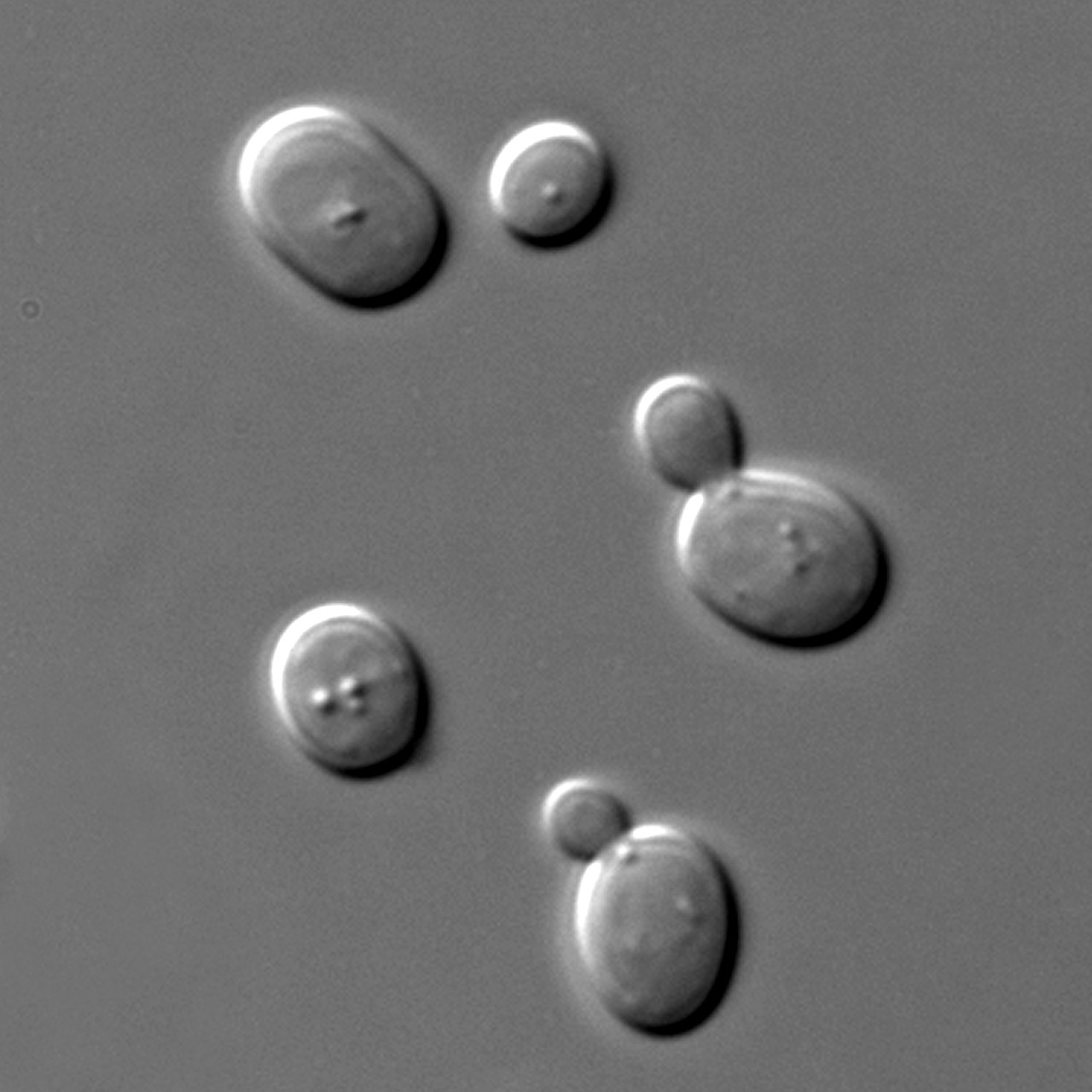
Yeast
The Ubiquitous Yeast
Yeast represents a diverse group of eukaryotic microorganisms classified within the kingdom Fungi. These single-celled organisms are characterized by their ability to reproduce asexually, primarily through budding, although some species can also reproduce sexually. With an estimated 1.5 million species, yeast is found in virtually every terrestrial and aquatic environment, colonizing surfaces of plants, animals, and soil.
Their metabolic versatility is remarkable; they can thrive under both aerobic and anaerobic conditions. Under aerobic conditions, they respire sugars to produce carbon dioxide and water, while under anaerobic conditions, they perform alcoholic fermentation, converting sugars into ethanol and carbon dioxide. This latter capability is the cornerstone of their historical and ongoing utility in human civilization, forming the basis of leavened baked goods and alcoholic beverages.
A Journey Through Time
The utilization of yeast predates scientific understanding by millennia. Ancient Mesopotamians, Egyptians, and Romans all employed yeast for bread making and brewing, likely through the spontaneous fermentation of grain mashes or by cultivating 'wild' yeasts present in the environment. The practice of saving a portion of dough or liquid from a previous batch to inoculate a new one, known as using a 'starter,' was a critical method for ensuring consistent fermentation.
A pivotal moment in understanding yeast occurred in the 19th century. Louis Pasteur's groundbreaking research in the 1860s definitively proved that fermentation was a biological process carried out by living microorganisms, specifically yeast, and not a chemical reaction as previously believed. This discovery not only demystified the process but also paved the way for controlled industrial fermentation and the development of pasteurization to prevent spoilage.
The Biochemical Ballet
The core biochemical process that defines yeast's utility is fermentation. In the absence of sufficient oxygen, yeast cells activate the fermentation pathway. Glucose, a simple sugar, is first broken down into pyruvate through glycolysis, a universal metabolic pathway. Pyruvate is then converted into acetaldehyde, releasing carbon dioxide gas in the process.
Finally, acetaldehyde is reduced to ethanol, regenerating NAD+ which is essential for glycolysis to continue. This cycle allows yeast to generate ATP (cellular energy) even without oxygen. The specific enzymes and regulatory mechanisms involved can vary between yeast species, leading to different fermentation profiles and influencing the final product's flavor and aroma.
Understanding these pathways is crucial for optimizing industrial processes.
Yeast's Multifaceted Significance
Yeast's impact extends far beyond its culinary applications. In biotechnology, it serves as a powerful and cost-effective 'cell factory' for producing a wide array of valuable compounds, including enzymes, vitamins, and recombinant proteins for pharmaceuticals. Its well-understood genetics and rapid growth make it an ideal model organism for fundamental biological research.
Scientists use yeast to study complex cellular processes like DNA replication, gene expression, and protein folding, providing insights applicable to human biology and disease. For instance, studies on yeast have contributed to our understanding of cancer and aging. Furthermore, genetically engineered yeasts are employed in bioremediation and the sustainable production of biofuels like ethanol.
The Future is Fermented
The role of yeast continues to evolve with advancements in genetic engineering and synthetic biology. Researchers are developing novel yeast strains capable of producing more complex molecules, such as biofuels, bioplastics, and even flavors and fragrances, offering sustainable alternatives to petrochemical-based production. The exploration of extremophilic yeasts, which thrive in harsh environments, opens up possibilities for industrial applications in challenging conditions.
Moreover, ongoing research into yeast's microbiome interactions and its role in human health is revealing new therapeutic potentials. As we seek more sustainable and efficient ways to produce goods and understand life, yeast remains an indispensable tool and a subject of continuous scientific fascination.
Go deeper
Based on content from Wikipedia · Licensed under CC BY-SA 4.0