

Deutsche Telekom
Images

Next 2012 Berlin - Deutsche Telekom

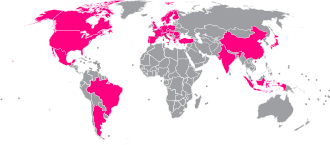


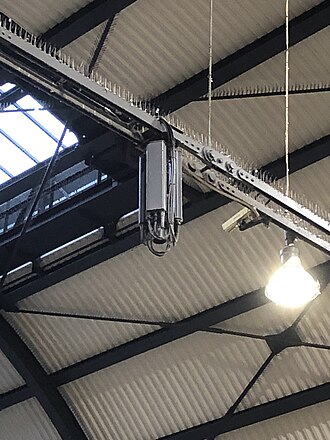


Genesis and Transformation
Deutsche Telekom's origins are deeply intertwined with the history of German public services. It emerged in 1995 from the restructuring of Deutsche Bundespost, a state-owned entity that held a monopoly over postal and telecommunications services in West Germany. This pivotal transformation was driven by the need to adapt to a rapidly globalizing and increasingly competitive telecommunications market.
By privatizing and corporatizing, Deutsche Telekom gained the agility and capital necessary to invest in new technologies and expand its international footprint. This strategic shift allowed it to move beyond its traditional role and become a formidable force in the digital age, consistently ranking among the world's largest companies by revenue, a testament to its successful evolution from a national service provider to a global enterprise.
The Infrastructure Backbone
At its core, Deutsche Telekom functions as a critical enabler of the modern digital economy. The company's vast infrastructure encompasses fixed-line networks, mobile communication towers, and extensive fiber optic cable systems that form the backbone of global data transmission. This intricate network allows for the seamless flow of information, supporting everything from everyday internet browsing and video conferencing to complex financial transactions and the burgeoning Internet of Things (IoT).
Its role extends beyond mere connectivity; Deutsche Telekom actively invests in research and development, pushing the boundaries of technologies like 5G and beyond, which are essential for future innovations in areas such as artificial intelligence, autonomous vehicles, and smart cities. The company's consistent presence in global top company rankings underscores the indispensable nature of its services in today's interconnected world.
Strategic Brand Portfolio
Deutsche Telekom employs a sophisticated brand strategy to maximize its global reach and market penetration. The most prominent example is T-Mobile, a globally recognized mobile communications brand that operates as a key subsidiary in numerous markets. This decentralized approach allows Deutsche Telekom to tailor its offerings to diverse regional demands and regulatory environments, fostering strong local brand loyalty.
Beyond T-Mobile, the company manages a portfolio of other brands and subsidiaries, each serving specific market segments or geographical areas. This multi-brand strategy is crucial for navigating the complexities of international business, enabling Deutsche Telekom to compete effectively against both local incumbents and other global telecommunications giants, solidifying its position as Europe's largest and the world's fifth-largest telecommunications company by revenue.
Corporate Structure and Stakeholder Dynamics
The ownership structure of Deutsche Telekom is a unique blend of private and public interests. While it operates as a publicly traded company, with its shares listed on major stock exchanges and forming part of the EURO STOXX 50 index, the German government retains a significant stake. This substantial shareholding, historically managed through direct ownership and indirectly via government-backed financial institutions like KfW, reflects the company's strategic importance to the German economy and national infrastructure.
The government's continued involvement, even as its direct shareholding has been adjusted over time, signifies a long-term commitment to ensuring the stability and development of critical communication networks. This dual nature – a global commercial entity with significant state backing – shapes its strategic decisions and its role in both the global market and national policy.
Go deeper
Frequently Asked Questions
What is Deutsche Telekom?+
Why did Deutsche Telekom change from a state company to a private company?+
How does Deutsche Telekom help us use the internet and phones?+
What is T‑Mobile and why is it part of Deutsche Telekom?+
Who owns Deutsche Telekom and does the German government still have a part?+
Based on content from Wikipedia · Licensed under CC BY-SA 4.0