

Dental Caries: The Tiny Tooth Attackers!
Images
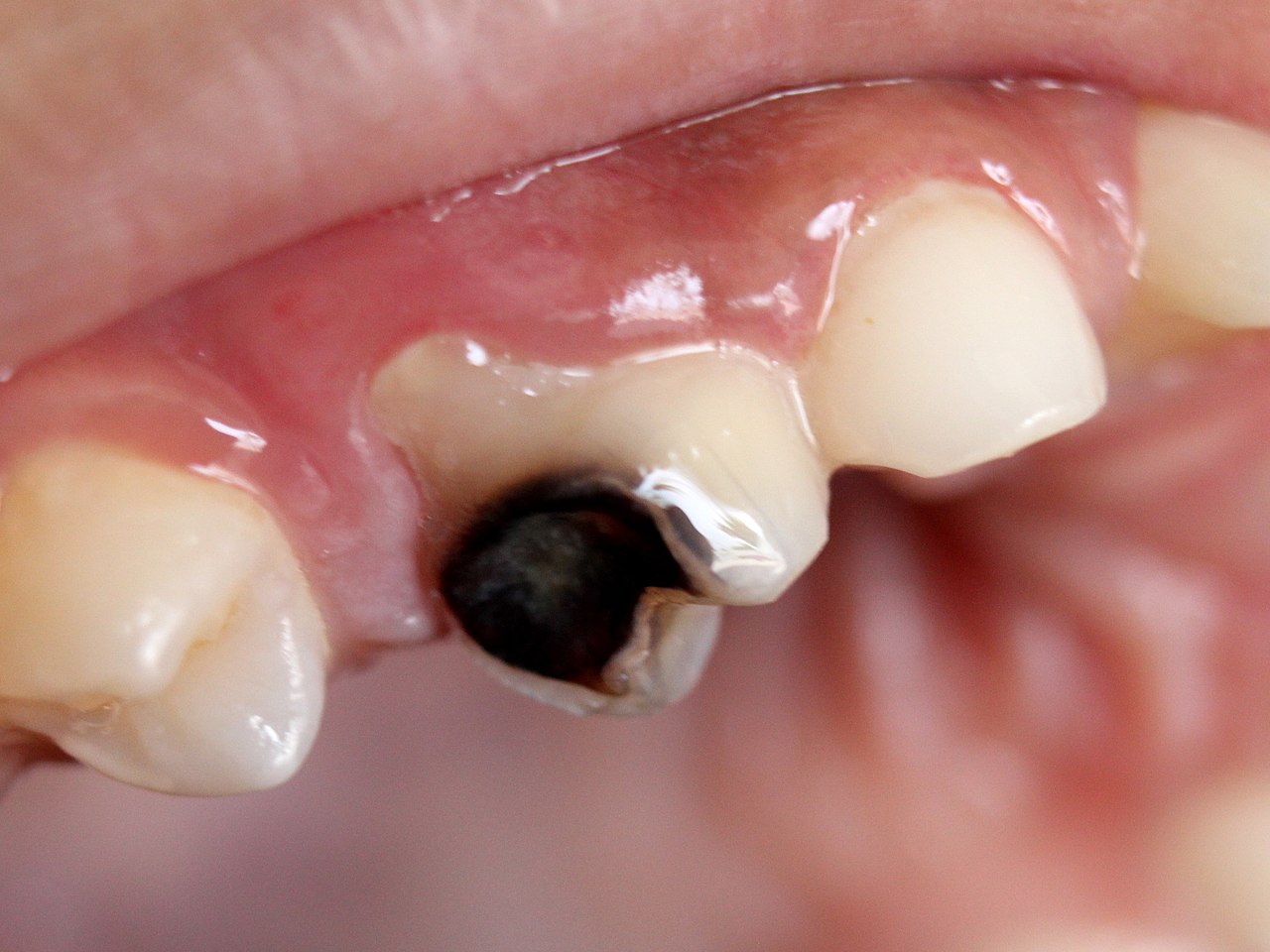
Dental Caries Cavity 2 (cropped)


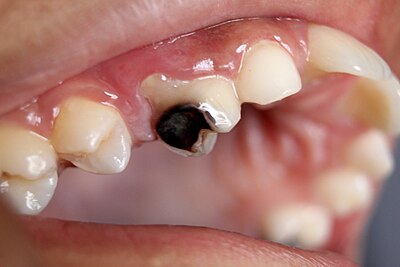


The Microbial Ecosystem of Caries
Dental caries is a multifactorial, biofilm-mediated disease resulting from the interaction between specific microorganisms, fermentable carbohydrates, host factors, and time. The primary etiological agents are acidogenic and acid-tolerant bacteria, predominantly Streptococcus mutans and Lactobacillus species, residing within dental plaque. S. mutans is particularly significant due to its ability to adhere strongly to tooth surfaces, produce extracellular polysaccharides that contribute to plaque structure and virulence, and efficiently metabolize a wide range of carbohydrates into acids, primarily lactic acid. Lactobacillus species, while less involved in initiating caries, are often found in more advanced lesions, contributing to the progression of dentinal caries due to their high acid tolerance and production.
The complex interplay within the oral microbiome, influenced by diet, hygiene, and host genetics, dictates the balance between cariogenic and protective bacteria.
Historical Perspectives on Dental Decay
The pathological process of dental caries has afflicted humanity for millennia, with archaeological evidence dating back to prehistoric times. Early civilizations recognized the problem, though their understanding and treatments were limited. Ancient Egyptians and Greeks described toothaches and attempted remedies, often involving painful extractions or rudimentary fillings.
The understanding of caries as an infectious disease gained traction in the 18th and 19th centuries, with figures like Pierre Fauchard, the 'father of modern dentistry,' laying groundwork for more systematic approaches. The 20th century brought revolutionary advancements, including the discovery of fluoride's anticariogenic properties, the development of dental materials for restoration, and the establishment of public health initiatives focused on prevention.
Today, caries remains a significant global health burden, particularly in developing nations, highlighting the ongoing need for effective preventive strategies and accessible treatment.
The Far-Reaching Consequences of Untreated Dental Caries
The impact of dental caries extends far beyond localized tooth destruction, affecting individuals' quality of life and posing significant public health challenges. Pain associated with caries can impair eating, speaking, sleeping, and learning, leading to reduced school attendance and academic performance in children. Chronic dental infections can lead to systemic health issues, including cardiovascular disease, diabetes complications, and adverse pregnancy outcomes, due to the spread of bacteria and inflammatory mediators through the bloodstream.
Furthermore, aesthetic concerns related to tooth loss and disfigurement can lead to social isolation, reduced self-esteem, and psychological distress. The economic burden is substantial, encompassing direct costs of treatment and indirect costs related to lost productivity and diminished quality of life, making caries prevention a critical public health priority.
Pathogenesis of Caries
The formation of a carious lesion is a dynamic process governed by the balance between demineralization and remineralization. When cariogenic bacteria metabolize fermentable carbohydrates, they produce acids that lower the pH at the tooth surface. If the pH drops below the critical level for enamel (around 5.5), hydroxyapatite crystals begin to dissolve, releasing calcium and phosphate ions into the plaque fluid. Saliva plays a crucial role in buffering these acids and providing ions for remineralization.
Fluoride enhances remineralization by forming fluorapatite, which is more acid-resistant than hydroxyapatite, and by inhibiting bacterial enzymes. The progression of a lesion depends on the frequency and duration of acid challenges, the buffering capacity of saliva, the presence of fluoride, and the tooth's intrinsic resistance. Early lesions are characterized by subsurface demineralization and surface hardening, while advanced lesions involve cavitation and potential pulpal involvement.
Modern Strategies
Contemporary management of dental caries emphasizes a paradigm shift towards prevention and early intervention. Public health strategies include community water fluoridation, school-based dental sealant programs, and oral health education campaigns. At the individual level, meticulous oral hygiene practices, including brushing with fluoride toothpaste and interdental cleaning, are fundamental.
Dietary modifications, such as reducing sugar intake and frequency, are also crucial. Diagnostic advancements include early detection methods like laser fluorescence and digital radiography, allowing for the identification of lesions at their earliest stages. Restorative dentistry has seen innovations in biomaterials, such as bioactive restorative materials that can release ions to promote remineralization and antibacterial agents.
Minimally invasive dentistry techniques aim to preserve as much healthy tooth structure as possible, focusing on arresting or reversing early lesions rather than solely on mechanical removal and filling.
See also
Frequently Asked Questions
What are dental caries and why do they happen?+
Which bacteria are the main culprits behind cavities?+
How does sugar turn into tooth‑destroying acid?+
Why is fluoride important for preventing cavities?+
What can kids do to keep their teeth healthy?+
Based on content from Wikipedia · Licensed under CC BY-SA 4.0