

Brush
Images
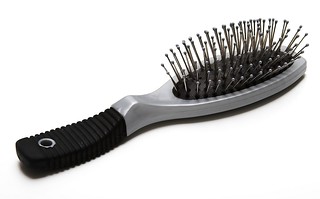
Hair brush 2


The Anatomy and Materiality of the Brush
A brush, at its most fundamental definition, is a tool comprising a handle or block to which a collection of filaments is affixed, typically in a parallel or perpendicular orientation relative to the grip. The efficacy and application of any given brush are intrinsically linked to the materials selected for both its structural components and its functional filaments. Bristles or filaments can range from natural sources like animal hair (e.g., hog, badger, sable) and plant fibers (e.g., tampico) to synthetic polymers (e.g., nylon, polyester) and metallic wires.
The choice is dictated by the intended use, requiring consideration of factors such as flexibility, stiffness, absorbency, chemical resistance, thermal stability, and resistance to abrasion. For instance, a brush designed for applying corrosive chemicals will necessitate filaments and a block made from inert, resistant materials, while a fine art paintbrush might prioritize the delicate touch and paint-holding capacity of sable hair. This careful selection of materials underscores the sophisticated engineering inherent in even the most seemingly simple tools.
From Prehistory to the Industrial Revolution
The origins of the brush are deeply rooted in humanity's earliest needs for cleaning, applying pigments, and manipulating materials. Archaeological evidence suggests rudimentary brushes, possibly made from frayed twigs or animal tails, were used in prehistoric times. Ancient civilizations, including the Egyptians and Romans, developed more sophisticated brushes using animal hair bound to handles, employing them for tasks ranging from writing and painting to hygiene and construction.
The medieval period saw the refinement of brush-making techniques, with guilds often specializing in particular types of brushes. However, it was the advent of the Industrial Revolution that truly democratized the brush. Innovations in manufacturing, particularly the development of machinery for mass-producing bristles and assembling brushes, made them widely accessible and affordable.
This transition from artisanal craft to industrial production cemented the brush's status as an indispensable tool in virtually every household and industry.
The Pervasive Influence and Multifaceted Utility of Brushes
The brush's significance extends far beyond its basic function; it is a foundational technology that underpins numerous aspects of modern life. In domestic settings, brushes are indispensable for maintaining hygiene, from oral care (toothbrushes) to household cleaning. The art world relies heavily on brushes as primary instruments for painting, enabling artists to achieve a vast spectrum of textures, strokes, and visual effects.
Industrial applications are equally diverse, encompassing surface preparation, application of coatings (paints, adhesives), cleaning of machinery, and specialized processes in fields like electronics and textiles. Furthermore, brushes are integral to personal grooming and cosmetic application, facilitating everything from hair styling to makeup artistry. The sheer ubiquity of brushes-with an average household potentially containing dozens of specialized variants-attests to their unparalleled versatility and enduring importance across the spectrum of human activity.
The Mechanics of Bristle Interaction
The operational principles of a brush are rooted in the mechanics of filament interaction with surfaces and substances. When a brush is employed, its bristles undergo deformation, bending and exerting pressure against the target surface. This mechanical action is key to its function.
In cleaning applications, the bristles act as agents of friction and agitation, dislodging particulate matter, scrubbing away residues, and facilitating their removal. The degree of stiffness and the density of the bristles directly influence the cleaning power, with stiffer, more widely spaced bristles often used for aggressive scrubbing, while softer, denser arrangements are suited for gentler cleaning. In application processes, such as painting or applying adhesives, the bristles function as a delivery system.
They absorb and hold the substance, and then release it through capillary action and surface tension as the brush is moved across the substrate. The controlled release and distribution of the material are governed by the bristle material's properties (e.g., hydrophilicity/hydrophobicity), the angle of application, and the pressure applied. The design of the brush head, including filament length, diameter, and arrangement, is meticulously engineered to optimize these interactions for specific tasks, demonstrating a sophisticated interplay of material science and mechanical engineering.
Brush Technology in Contemporary Contexts and Future Directions
Modern brush technology continues to evolve, driven by advancements in material science and the demand for specialized applications. Nanotechnology is beginning to influence bristle design, offering potential for enhanced cleaning capabilities or novel surface interactions. In the realm of robotics and automation, brushes are being integrated into sophisticated cleaning and manipulation systems, requiring precise control and durability. The development of smart brushes, which might incorporate sensors or self-cleaning mechanisms, represents a frontier in tool innovation.
Furthermore, the ongoing focus on sustainability is prompting research into biodegradable filament materials and more environmentally friendly manufacturing processes. From intricate micro-brushes used in semiconductor fabrication to large industrial brushes for infrastructure maintenance, the fundamental concept of the brush remains a vital technological element, constantly being re-imagined and refined to meet the challenges of the 21st century.
Go deeper
Frequently Asked Questions
What is a brush and what does it look like?+
Why do brushes have different kinds of bristles?+
How did people make brushes before machines?+
Where can we find brushes in a house?+
When did brushes become common for everyone?+
Based on content from Wikipedia · Licensed under CC BY-SA 4.0