

Denomination
Images

Assembly of Fine Arts Section of Ministry of Religious Denominations and Public Education, Warsaw, Poland in 1930ies


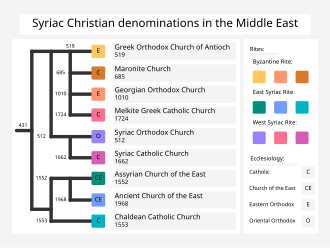
The Sociological and Theological Significance of Religious Denominations
In the study of religion, a denomination refers to a recognized autonomous branch of the Christian Church or a distinct religious body within a larger religion. These divisions are not arbitrary; they often arise from historical schisms, theological disputes, or differing interpretations of sacred texts and traditions. For instance, the Protestant Reformation in the 16th century led to the fragmentation of Western Christianity into numerous denominations, each with its own confessional statements, liturgical practices, and organizational structures.
Understanding these denominations is crucial for comprehending the complex tapestry of global religious expression and interfaith dialogue. They provide frameworks for community, identity, and spiritual practice, allowing individuals to align with a group that resonates with their specific understanding of faith. The existence of denominations highlights both the diversity within religious traditions and the human tendency to form distinct communities around shared beliefs and values.
Denominations as Pillars of Economic Systems and Trade
Beyond the spiritual realm, the concept of denomination is fundamental to the functioning of modern economies. Currency denominations, such as the dollar, euro, yen, or pound, represent standardized units of exchange with assigned values. This standardization is critical for facilitating trade, investment, and everyday transactions.
Without distinct denominations, the concept of price would be meaningless, and economic activity would grind to a halt. The establishment and management of currency denominations are typically the responsibility of central banks and governments, reflecting national sovereignty and economic policy. Furthermore, the Wikipedia source points to 'Protected Designation of Origin' (PDO), which functions as a denomination for agricultural products and foodstuffs.
PDOs, like Champagne from France or Parmigiano-Reggiano from Italy, certify that a product originates from a specific region and possesses qualities or a reputation due to that origin. This system protects consumers from imitations and supports traditional production methods, demonstrating how denomination safeguards authenticity and economic value.
Historical Trajectories and the Evolution of Denominational Identity
The emergence and evolution of denominations are deeply intertwined with historical processes. Religious denominations often trace their lineage back to pivotal moments in history, such as the Council of Nicaea, the Great Schism, the Protestant Reformation, or various revivalist movements. Each denomination carries a historical narrative that shapes its identity and its relationship with other religious groups and the wider society.
Similarly, currency denominations have evolved alongside technological advancements and political changes. The transition from commodity money to representative money and then to fiat currency has influenced how denominations are perceived and valued. The historical context provides essential insights into why certain denominations exist, how they have adapted over time, and their ongoing relevance in contemporary society.
Understanding this historical trajectory is key to appreciating the dynamic nature of these categorizations.
The Multifaceted Applications of Denomination
The term 'denomination' is remarkably versatile, appearing in various contexts beyond religion and currency. As noted, it applies to postage stamps, where each stamp has a denomination indicating its postal value. This is crucial for the efficient operation of postal services worldwide.
The concept also extends to academic qualifications, where different degrees (e.g., Bachelor's, Master's, Doctorate) represent distinct levels of educational achievement. In the realm of consumer goods, while not explicitly stated in the provided snippet, different models or versions of a product (e.g., different iPhone models) could be seen as denominations within a product line, each offering varying features and price points. The underlying principle remains consistent: denomination is a mechanism for classification, differentiation, and standardization, enabling order and clarity in complex systems, whether they involve belief systems, economic exchange, or product offerings.
Denomination as a Tool for Social and Economic Organization
Ultimately, denominations serve as powerful tools for social and economic organization. In religion, they facilitate the formation of distinct communities, each with its own ethos and practices, contributing to the pluralism of belief systems. This pluralism, while sometimes leading to division, also fosters diversity and allows individuals to find spiritual homes that align with their personal convictions.
Economically, currency denominations are indispensable for the smooth functioning of markets, enabling complex transactions and the measurement of value. Protected designations of origin, by contrast, function to preserve cultural heritage, support local economies, and guarantee product integrity. The common thread is that denominations provide a structured way to categorize, understand, and interact with different aspects of the human experience, from the abstract realm of faith to the tangible world of goods and services.
Their continued relevance underscores their utility in managing complexity and fostering order.
Go deeper
Based on content from Wikipedia · Licensed under CC BY-SA 4.0