

Champagne: The Bubbly Drink of Celebration!
Images

Champagne


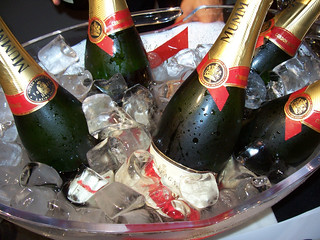

The Rigors of the Appellation d'Origine Contrôlée
Champagne's esteemed status is protected by a stringent Appellation d'Origine Contrôlée (AOC). This legal framework dictates every aspect of its production, from vineyard practices and grape sourcing exclusively within the designated Champagne region to specific pressing methods and the crucial secondary fermentation in the bottle. The AOC ensures that only wine meeting these rigorous standards can bear the name 'Champagne,' safeguarding its quality and reputation.
This meticulous control over origin and method distinguishes it from other sparkling wines, reinforcing its identity as a product of a unique terroir, characterized by chalky soils and a cool climate that foster slow ripening and preserve acidity in the grapes. The adherence to these rules is fundamental to its perceived value and exclusivity.
Méthode Traditionnelle
The defining characteristic of Champagne is its effervescence, achieved through the 'méthode traditionnelle' (formerly known as 'méthode champenoise'). This complex process begins after the primary fermentation, where a 'liqueur de tirage'-a mixture of wine, sugar, and yeast-is added to the base wine in individual bottles. The bottles are then sealed, and a second fermentation occurs, generating carbon dioxide.
This gas dissolves into the wine, creating the fine, persistent bubbles. Following this, the wine undergoes aging on its lees (spent yeast cells), which contributes complex flavors and aromas. Finally, the sediment is removed through riddling and disgorging, and a 'dosage' (a blend of wine and sugar) is added to adjust the final sweetness level.
This multi-stage process is labor-intensive and scientifically precise, contributing significantly to Champagne's cost and quality.
A Historical Trajectory from Accidental Bubbles to Royal Patronage
The history of Champagne is a fascinating evolution, moving from an initially undesirable effervescence to a symbol of ultimate luxury. Early attempts at winemaking in the region often resulted in wines that would unexpectedly bubble due to secondary fermentation in the bottle, a phenomenon initially considered a fault. However, figures like Dom Pérignon, a Benedictine monk, are credited with significant advancements in improving wine quality and potentially understanding the role of bubbles.
By the 17th, 18th, and 19th centuries, producers actively cultivated an image of exclusivity and sophistication, associating their wines with royalty and the aristocracy. This deliberate branding, coupled with the wine's inherent celebratory nature, cemented its status, making it a coveted drink that transcended its origins and became a global icon of festivity and prestige.
The Grape Constellation
The distinctive character of Champagne is largely defined by its primary grape varietals: Pinot Noir, Pinot Meunier, and Chardonnay. Pinot Noir, a black grape, contributes structure, body, and red fruit notes, often lending power to the blend. Pinot Meunier, also a black grape, adds fruitiness and helps the wine mature more quickly, providing approachability.
Chardonnay, a white grape, brings elegance, acidity, and delicate floral or citrus aromas. While these three dominate, the AOC permits small quantities of other heritage grapes, including Pinot Blanc, Pinot Gris, Arbane, and Petit Meslier, which can add subtle nuances and complexity for those seeking unique expressions. The specific blend, known as the 'assemblage,' is a winemaker's art, allowing for infinite variations within the established framework.
Champagne's Enduring Cultural Resonance and Modern Relevance
Champagne's significance extends far beyond its production and history; it is deeply woven into the fabric of global culture as the quintessential celebratory beverage. Its association with milestones, achievements, and moments of joy makes it a powerful symbol. This cultural resonance is actively maintained through marketing, tradition, and its consistent presence at significant events.
In contemporary society, Champagne continues to represent aspiration, success, and refined enjoyment. While its price point often positions it as a luxury item, its symbolic power ensures its enduring relevance for marking special occasions. Furthermore, the principles of quality control and regional identity embodied by the Champagne AOC have influenced wine appellations worldwide, setting a benchmark for protected designations of origin.
Go deeper
Frequently Asked Questions
What makes Champagne a special bubbly drink?+
How do the bubbles in Champagne form?+
Why is Champagne only made in France?+
Which grapes are used to make Champagne?+
Who helped make Champagne famous?+
Based on content from Wikipedia · Licensed under CC BY-SA 4.0