

David Berkowitz
Images

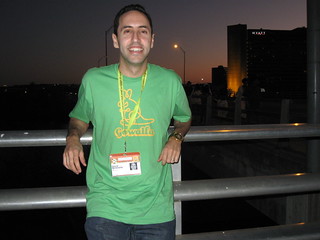
David Berkowitz and Lara Lebeiko at South by Southwest Interactive (SXSWi) March 2009



The Reign of Terror and the City's Response
Between 1975 and 1977, David Berkowitz, operating under the chilling monikers 'Son of Sam' and '.44 Caliber Killer,' plunged New York City into a state of unprecedented fear. His spree of shootings and a stabbing, which claimed six lives and injured eleven others, was amplified by his provocative letters to the police. These communications, filled with taunts and promises of further violence, transformed the investigation into a high-stakes psychological battle.
The sheer terror and the feeling of vulnerability among New Yorkers spurred an extraordinary law enforcement response, widely considered one of the most extensive manhunts in the city's history. The case became a national obsession, fueled by sensational media coverage that both informed and, some argued, sensationalized the unfolding tragedy, creating a climate of pervasive anxiety.
Confessions, Hoaxes, and the Search for Truth
Upon his arrest in August 1977, Berkowitz confessed to the crimes. His initial explanation, however, was as bizarre as it was disturbing: he claimed to be acting under the command of a demon manifesting as his neighbor's black dog, Sam. This 'demon dog' narrative, while sensational, served to distance him from direct culpability and introduced a supernatural element that captivated the public imagination.
This story, however, was later recanted. After being deemed mentally competent for trial, Berkowitz admitted the dog and demon story was a fabrication. This retraction raises profound questions about the nature of confession, the potential for manipulation within the justice system, and the complex psychological landscape of serial offenders.
The subsequent implication in unsolved arsons further complicated the understanding of his criminal activities.
The 'Son of Sam' Laws
The intense media fascination with David Berkowitz, which he reportedly seemed to relish, led to a significant legal innovation. Recognizing the potential for criminals to exploit their notoriety for financial gain, the New York State Legislature enacted statutes popularly known as 'Son of Sam laws.' These laws are designed to prevent convicted criminals from profiting from the publicity surrounding their crimes, ensuring that any proceeds from books, movies, or other media related to their offenses are instead directed towards victim compensation funds.
Despite facing numerous legal challenges over the years, these statutes have endured in New York and have served as a model for similar legislation in several other states. They represent a societal effort to balance freedom of expression with the imperative to protect victims and deter the glorification of criminal acts.
Evolving Narratives
In the mid-1990s, David Berkowitz's narrative underwent another dramatic shift. By this time, he had professedly converted to evangelical Christianity. He then amended his confession to claim that he was not acting alone but was a member of a violent Satanic cult.
According to this revised account, the cult orchestrated the murders as ritualistic sacrifices. This claim prompted a new investigation in 1996, which ultimately proved inconclusive and was suspended indefinitely. This evolving story highlights the challenges in definitively establishing the truth behind complex criminal cases, particularly when the perpetrator's accounts change over time and involve claims of external influence or manipulation, raising questions about the reliability of memory and confession.
Enduring Impact and Societal Reflection
The 'Son of Sam' case left an indelible mark on American criminal justice and public consciousness. Beyond the immediate terror and the subsequent legal reforms, the case prompted ongoing discussions about the nature of evil, the role of media in shaping public perception, and the psychological underpinnings of serial offending. The initial 'demon dog' story, the later claims of cult involvement, and the eventual conversion all contribute to a complex and often contradictory portrait of David Berkowitz.
The case continues to be studied for its impact on criminal profiling, the development of victim advocacy, and the ethical considerations surrounding media coverage of violent crimes. It serves as a stark reminder of the fragility of public safety and the enduring quest to understand the darkest aspects of human behavior.
See also
Frequently Asked Questions
Who was David Berkowitz?+
Why did people call him "Son of Sam"?+
How did the police find him?+
What is a "Son of Sam law"?+
Did David Berkowitz say he was part of a cult?+
Based on content from Wikipedia · Licensed under CC BY-SA 4.0