

Creed
Images
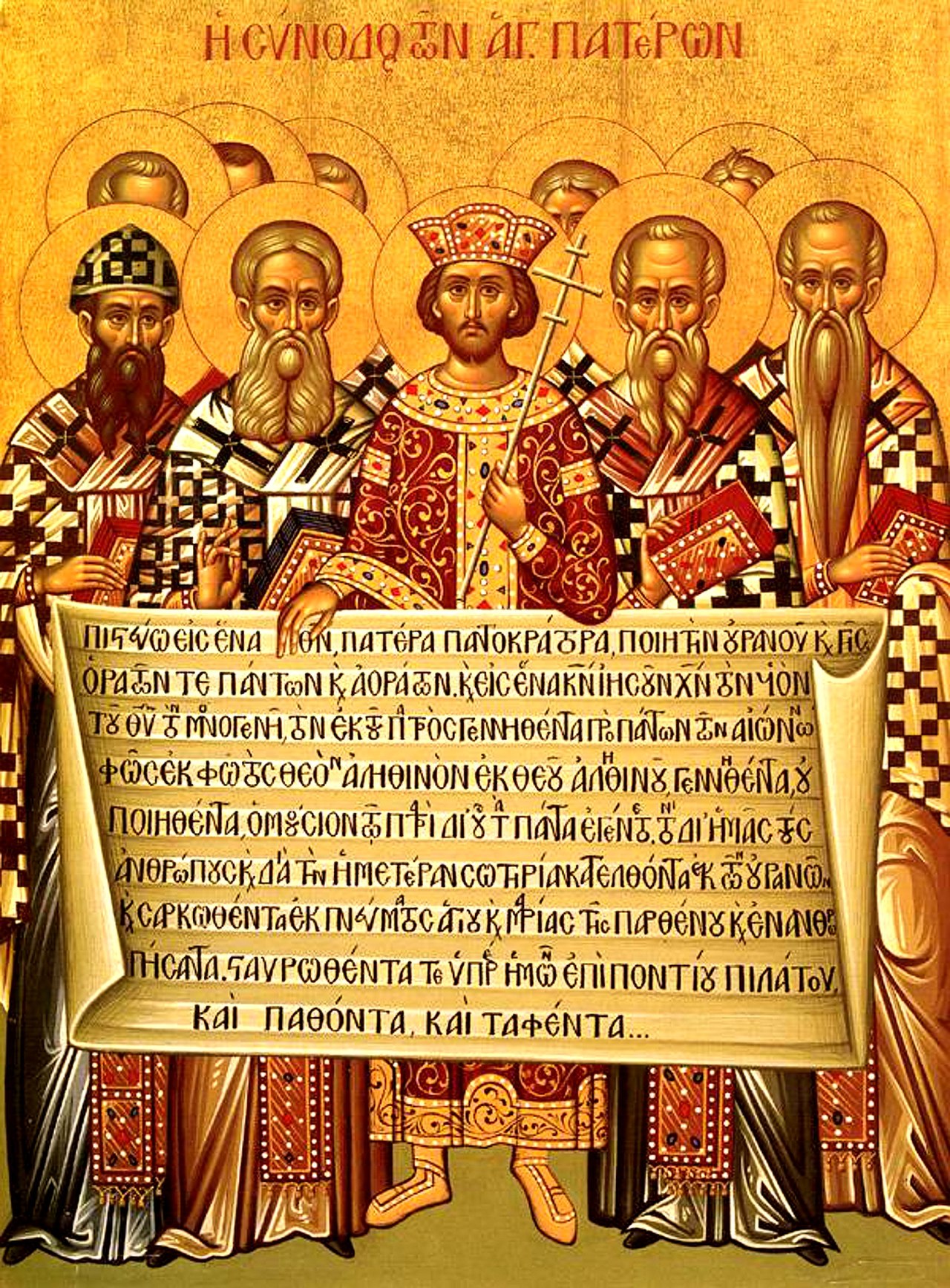
Creed
Defining the Creed
A creed, derived from the Latin 'credo' meaning 'I believe,' is a formal articulation of core tenets that an individual or group professes to hold true. It transcends mere personal opinion, functioning as a structured statement of faith, philosophy, or ideology. Historically, creeds emerged as a means to codify complex theological or philosophical ideas into accessible declarations, often serving to unify adherents and distinguish them from outsiders.
They are not static pronouncements but can evolve through theological debate, councils, or philosophical discourse, reflecting a dynamic process of interpretation and refinement. The formulation of a creed involves a deliberate act of selection and emphasis, highlighting specific beliefs deemed essential for the identity and coherence of the community it represents.
The Genesis and Evolution of Creeds Through History
The impulse to articulate shared beliefs is ancient, evident in the foundational myths and cosmologies of early civilizations. However, the formal development of creeds as distinct statements gained momentum with the rise of major world religions and philosophical schools. In early Christianity, for instance, the need to define orthodoxy against perceived heresies spurred the creation of creeds like the Nicene Creed, hammered out in ecumenical councils.
Similarly, philosophical traditions developed core principles that functioned as creeds, guiding adherents' understanding of ethics, metaphysics, and epistemology. The Enlightenment and subsequent intellectual movements also saw the rise of secular creeds, such as political manifestos or scientific principles, demonstrating the enduring human need to define and communicate fundamental truths.
The Enduring Significance of Creeds in Shaping Identity and Society
Creeds play a pivotal role in shaping individual and collective identity. They provide a framework for understanding the world, one's place within it, and the moral obligations that arise from that understanding. For adherents, a creed offers a sense of belonging, community, and purpose, fostering solidarity and shared commitment.
Beyond personal identity, creeds have profound societal implications. They can inspire social movements, influence legal systems, and shape cultural norms and values. The shared beliefs articulated in a creed can motivate collective action, from charitable endeavors to political revolutions.
Conversely, differing creeds can also be a source of conflict, highlighting the powerful role these statements play in defining group boundaries and intergroup relations.
Mechanisms of Creedal Influence
The influence of a creed operates through multiple mechanisms. Primarily, it functions as a didactic tool, educating members about the group's core tenets through religious education, philosophical study, or ideological indoctrination. This shapes adherents' worldview and cognitive frameworks.
Secondly, creeds serve as a normative guide, dictating acceptable behavior, ethical standards, and lifestyle choices. They provide a moral compass and a basis for communal discipline. Thirdly, creeds act as a unifying force, fostering a sense of shared identity and loyalty that can transcend individual differences.
This collective conviction can then be channeled into various forms of action, whether it be participation in religious rituals, adherence to political platforms, or engagement in social activism. The power of a creed lies in its ability to translate abstract belief into lived experience and collective endeavor.
Contemporary Manifestations and the Future of Creeds
In the modern era, the concept of the creed continues to manifest in diverse forms. While traditional religious creeds remain influential, secular creeds are increasingly prevalent. These can be found in the guiding principles of non-governmental organizations, the ethical codes of professional bodies, the foundational myths of political ideologies, and even the shared values of subcultures or online communities.
The digital age has facilitated the rapid dissemination and adaptation of these belief systems. As societies become more pluralistic, the negotiation and understanding of different creeds become ever more critical. The future may see a greater emphasis on 'creedal pluralism,' where diverse belief systems coexist and interact, or perhaps a resurgence of more personalized, self-defined 'creeds' in an era of individualism.
Go deeper
Frequently Asked Questions
What is a creed?+
Why did people create creeds?+
How can a creed change over time?+
Where do creeds come from?+
Are creeds only for religion?+
Based on content from Wikipedia · Licensed under CC BY-SA 4.0