

Combined-cycle power plant
Images
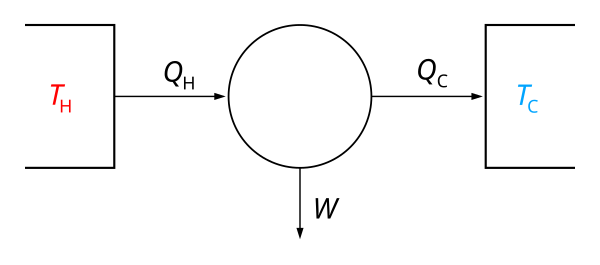
Combined-cycle power plant


The Synergy of Combined Cycles
A combined-cycle power plant represents a sophisticated approach to energy conversion, integrating multiple heat engines to extract maximum useful work from a single heat source. The predominant configuration, the Combined Cycle Gas Turbine (CCGT), leverages the high-temperature exhaust of a gas turbine to drive a steam turbine. This integration is not merely additive; it creates a synergistic effect that significantly boosts overall plant efficiency.
While a simple-cycle gas turbine might achieve a thermal efficiency of around 35-40%, the addition of a steam cycle, powered by the gas turbine's waste heat, can elevate the net efficiency to 50-60% or even higher in advanced designs. This is achieved by utilizing the thermal energy that would otherwise be lost to the atmosphere. The working fluid in the gas turbine (combustion gases) and the steam turbine (water/steam) are typically different, with a heat exchanger facilitating the transfer of thermal energy, allowing each cycle to operate at its optimal temperature and pressure ranges.
Historical Trajectory
The fundamental principle of combining thermodynamic cycles dates back to the early 20th century, but its practical application in large-scale power generation gained momentum with the advancement of gas turbine technology, particularly post-World War II. Early combined-cycle systems were often retrofits, adding a steam turbine to an existing gas turbine setup. However, the development of purpose-built CCGT plants, designed from the ground up to optimize the integration of both cycles, began to proliferate in the latter half of the 20th century.
This evolution was driven by the increasing demand for electricity, the pursuit of greater fuel efficiency to reduce operating costs, and growing environmental concerns. The economic advantages, coupled with the technological maturity of both gas and steam turbines, positioned CCGTs as a leading technology for new power generation capacity worldwide, offering a balance of efficiency, cost-effectiveness, and relatively rapid deployment compared to some other large-scale energy projects.
Strategic Importance
Combined-cycle power plants are strategically vital components of modern electricity grids due to their exceptional efficiency and operational flexibility. Their high efficiency translates directly into lower fuel costs and reduced greenhouse gas emissions per megawatt-hour generated, making them an economically attractive and environmentally responsible choice for baseload and intermediate power generation. Furthermore, the gas turbine component allows for rapid startup and load following capabilities.
This means CCGT plants can quickly ramp up or down to meet fluctuating electricity demand, a critical function in grids increasingly incorporating intermittent renewable sources like solar and wind. This agility reduces the need for separate, less efficient 'peaker' plants that are only used during peak demand periods. The relatively low capital cost per kilowatt of installed capacity also makes them a competitive option for new power generation infrastructure.
The Engineering Marvel
The operation of a combined-cycle power plant is a meticulously orchestrated sequence of energy transformations. Fuel, typically natural gas, is combusted with compressed air in a gas turbine, generating high-temperature, high-pressure exhaust gases. These gases expand through the turbine, driving its rotation and, via a shaft, a generator that produces electricity.
The still-hot exhaust gases, at temperatures often exceeding 500°C, are then ducted to a Heat Recovery Steam Generator (HRSG). Within the HRSG, a series of heat exchangers transfer thermal energy from the exhaust gases to water, producing high-pressure steam. This steam is then fed to a steam turbine, where it expands and drives another generator, producing additional electricity.
The steam exiting the turbine is condensed back into water using a cooling source (like a river or cooling tower) and pumped back to the HRSG, completing the steam cycle. The combined output from both the gas and steam turbines represents the plant's total electricity generation.
Global Footprint and Future Prospects
Combined-cycle power plants are deployed globally, forming a significant portion of the electricity generation infrastructure in many countries. They are particularly prevalent where natural gas is abundant and cost-effective. Beyond terrestrial power generation, the combined-cycle principle, known as COmbined Gas And Steam (COGAS), is also utilized in marine propulsion systems, offering enhanced efficiency and maneuverability for large vessels.
Ongoing research and development focus on further improving efficiency through advanced materials, higher turbine inlet temperatures, more sophisticated HRSG designs, and optimized control systems. Innovations also explore integrating CCGTs with carbon capture technologies to mitigate their environmental impact, as well as exploring alternative fuels like hydrogen to support decarbonization efforts. The inherent efficiency and flexibility of the combined-cycle design suggest it will remain a key technology in the global energy landscape for the foreseeable future.
See also
Frequently Asked Questions
What is a combined‑cycle power plant?+
How does it use hot air twice?+
Why is it more efficient than a simple gas turbine?+
Where are combined‑cycle plants usually built?+
What fuel does a combined‑cycle plant use?+
Based on content from Wikipedia · Licensed under CC BY-SA 4.0