

Cliff
Images
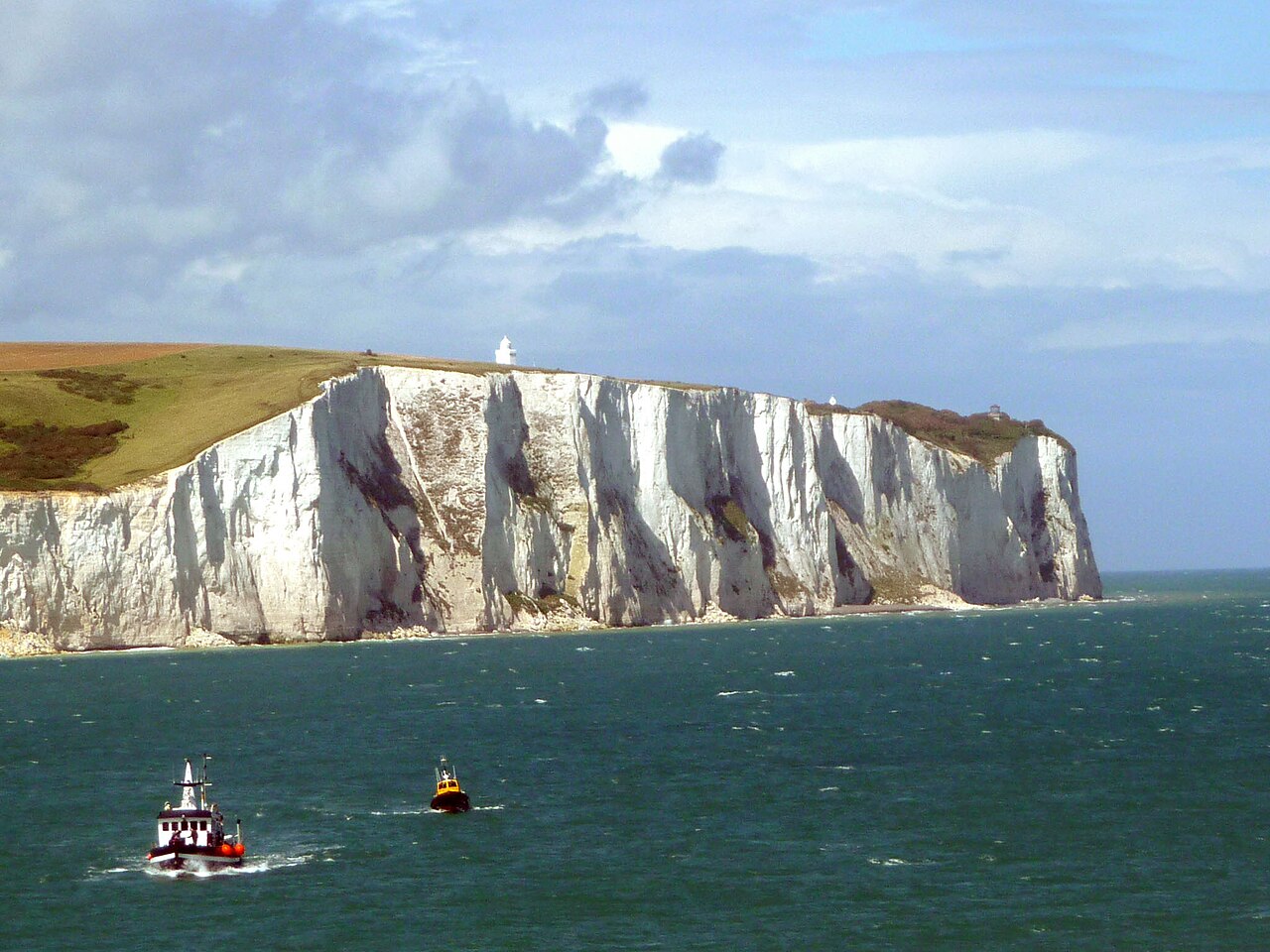
Cliff


The Genesis of Verticality
Cliffs represent a spectrum of geological processes that result in steep, often imposing, vertical or near-vertical landforms. Their creation is a testament to the dynamic nature of Earth's crust and the persistent forces of erosion. Coastal cliffs are primarily sculpted by marine erosion, where wave action, hydraulic pressure, and abrasion relentlessly attack the shoreline, leading to undercutting and eventual collapse of the rock face.
Inland, river erosion can carve canyons and gorges with sheer walls, while tectonic activity is responsible for fault scarps – dramatic escarpments formed by the displacement of rock along a fault line. Glacial erosion is another significant factor, with glaciers carving out deep, steep-sided valleys, leaving behind hanging valleys and cirques that often feature cliff faces. The lithology, or rock type, is paramount; resistant igneous and metamorphic rocks often form more dramatic and enduring cliffs than softer sedimentary rocks, which are more susceptible to weathering and erosion.
Understanding these processes allows us to interpret the geological history of a region.
Vertical Ecosystems
Cliffs, despite their seemingly barren appearance, host specialized and often highly adapted ecosystems. Their verticality creates unique microclimates and offers protection from ground-based threats, making them ideal refuges for certain species. Avian populations, particularly seabirds like puffins, guillemots, and gulls, utilize ledges for nesting colonies, benefiting from reduced predation and access to marine food sources.
Birds of prey, such as eagles and falcons, establish eyries on high, inaccessible perches, leveraging the vantage point for hunting. Terrestrial mammals, including species like ibex, chamois, and bighorn sheep, exhibit remarkable adaptations for navigating precipitous terrain, using specialized hooves and an innate sense of balance to access sparse vegetation. Even plant life, from hardy mosses and lichens to specialized alpine flora, can colonize cracks and fissures, demonstrating life's tenacity in extreme environments.
These cliff-dwelling communities are often fragile and sensitive to environmental changes.
Geomorphological Significance and Human Interaction
Cliffs are not merely geological curiosities; they play significant roles in Earth's systems and human endeavors. As coastal defenses, they mitigate the impact of storm surges and reduce shoreline erosion, protecting valuable land and infrastructure. Their geological structure provides invaluable insights into Earth's history; exposed rock strata act as natural archives, revealing information about past climates, sea levels, and evolutionary events through the study of stratigraphy and paleontology.
For humans, cliffs offer profound aesthetic and recreational value. They are iconic landscapes that inspire tourism, art, and literature. Furthermore, they present significant challenges and opportunities for human activity, from the demanding sport of rock climbing and mountaineering to their historical use as defensive positions.
The careful management of human access is crucial to preserve both the natural integrity of these formations and the safety of those who interact with them.
The Scientific Lens
The scientific study of cliffs, encompassing geology, paleontology, and ecology, yields critical data for understanding our planet. Geologists analyze cliff stratigraphy to reconstruct paleoenvironments and dating geological events. Paleontologists meticulously search for fossils embedded within cliff faces, providing direct evidence of ancient life forms and evolutionary lineages.
The discovery of significant fossil sites in cliffs has revolutionized our understanding of prehistoric life. Ecologists study the unique flora and fauna adapted to cliff habitats, assessing biodiversity and the resilience of these specialized ecosystems. Furthermore, cliffs can be sources of geological resources, such as building stone or mineral deposits, though their extraction requires rigorous environmental impact assessments.
Understanding cliff dynamics is also vital for hazard assessment, predicting potential rockfalls and landslides, particularly in areas with human habitation or infrastructure.
Modern Relevance
In contemporary times, cliffs hold significant relevance in discussions of conservation and geohazard management. Many cliff ecosystems are recognized for their unique biodiversity and are often designated as protected areas or national parks to safeguard them from development and degradation. The fragility of these environments necessitates careful tourism management and the implementation of sustainable practices.
Concurrently, the study of cliff stability is paramount for public safety. Geologists and engineers monitor cliffs for signs of instability, employing techniques like remote sensing, ground-penetrating radar, and GPS monitoring to detect subtle movements that could precede rockfalls or landslides. This research is crucial for urban planning, infrastructure development, and disaster preparedness in cliff-adjacent regions, highlighting the ongoing interplay between natural geological processes and human society.
Go deeper
Frequently Asked Questions
What is a cliff?+
How do cliffs form at the coast?+
Why do birds like puffins live on cliffs?+
What animals can live on cliffs and how do they climb?+
Why are cliffs important for people and the environment?+
Based on content from Wikipedia · Licensed under CC BY-SA 4.0