

Christchurch Botanic Gardens
Images
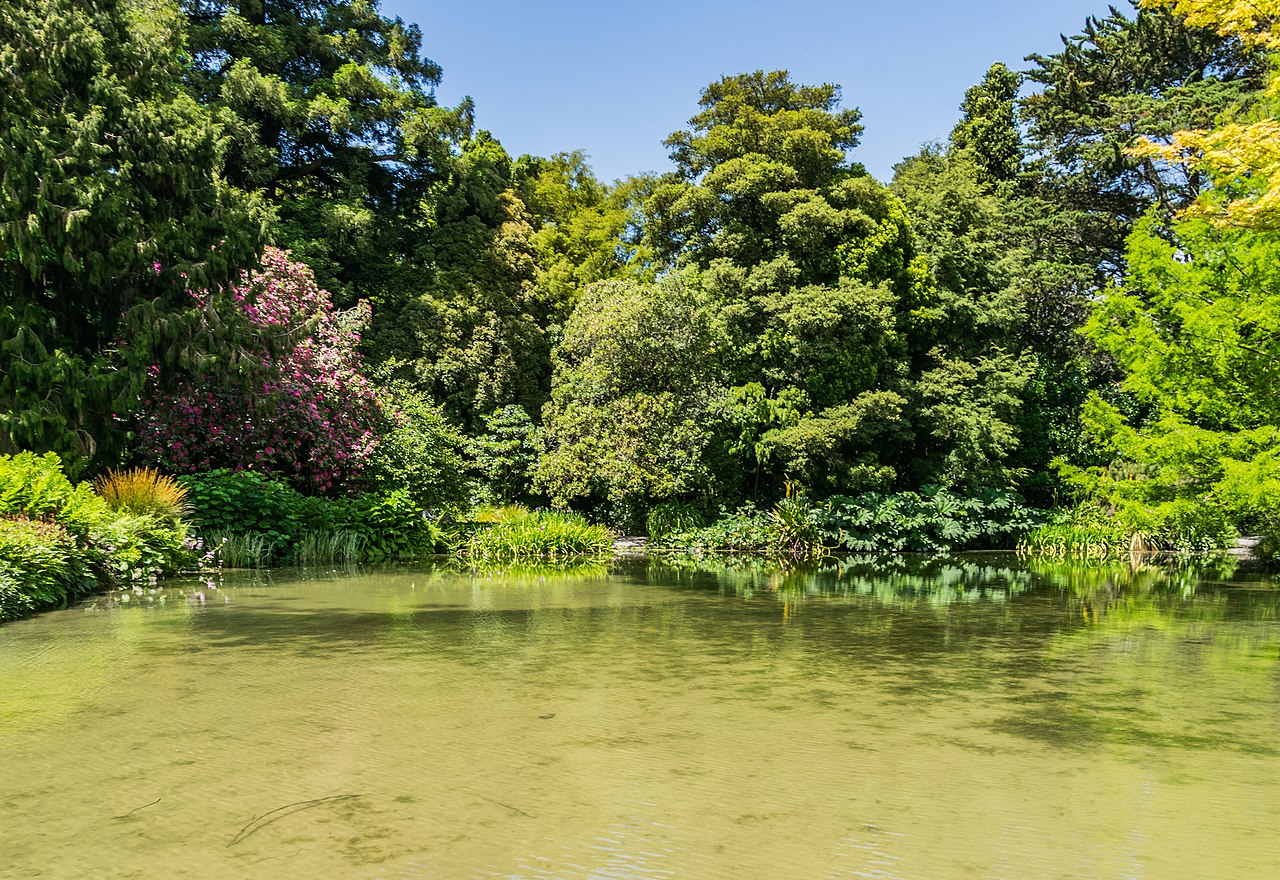
Christchurch Botanic Gardens 16


Genesis and Strategic Location
The Christchurch Botanic Gardens, a cornerstone of the city's cultural and environmental landscape, were inaugurated in 1863. Its founding event was the ceremonial planting of an English oak, a symbolic gesture to mark the marriage of Prince Albert and Princess Alexandra. This act imbued the gardens with an immediate historical gravitas.
Strategically situated in the central city of Christchurch, New Zealand, the gardens occupy a prime 21-hectare parcel of land. Its adjacency to the picturesque loop of the Avon River and its connection to the larger Hagley Park provide a unique geographical advantage, offering both natural beauty and accessibility. This location not only enhances its aesthetic appeal but also integrates it seamlessly into the urban fabric, making it a vital green lung for the city and a focal point for both residents and international visitors.
Evolution from Commemoration to Comprehensive Institution
From its inception as a singular commemorative planting, the Christchurch Botanic Gardens have undergone a remarkable transformation into a multifaceted botanical institution. The initial oak tree served as a seed for growth, both literally and figuratively. Over the subsequent decades, the gardens expanded in area and scope, meticulously developing diverse collections of both indigenous New Zealand flora and exotic plant species sourced from across the globe.
This expansion was not merely about accumulating plants; it involved the strategic design and construction of specialized facilities. The inclusion of several conservatories, for instance, allowed for the cultivation of plants with specific climatic requirements, thereby broadening the range of species that could be displayed and studied. This deliberate development transformed the gardens from a simple park into a living museum and a hub for botanical research and public engagement.
Biodiversity, Research, and Public Engagement
The Christchurch Botanic Gardens are a vibrant showcase of global plant biodiversity, meticulously curated to educate and inspire. Visitors can explore distinct thematic areas, featuring native New Zealand species that highlight the country's unique botanical heritage, alongside a wide array of international flora. The conservatories are architectural marvels, creating controlled environments that support a diverse range of plant life, from tropical rainforest species to arid desert succulents.
Beyond their visual appeal, the gardens serve a critical scientific purpose. They house a Climatological Station, which actively monitors meteorological data, contributing valuable long-term records essential for climate research and environmental studies. This integration of scientific infrastructure within a public garden underscores its dual role as a place of leisure and a vital center for ecological observation and education, fostering a deeper understanding of our planet's natural systems.
Educational Mandate and Community Role
The Christchurch Botanic Gardens fulfill a profound educational mandate, serving as an invaluable resource for learning about botany, ecology, and conservation. They provide a dynamic, hands-on environment for students of all levels, from primary school children to university researchers, offering practical insights into plant science that textbooks alone cannot provide. The gardens facilitate a deeper appreciation for the natural world and the critical importance of preserving plant diversity.
Furthermore, the presence of a dedicated nursery indicates an active role in plant propagation and potentially in conservation efforts for rare or endangered species. The inclusion of recreational amenities, such as a playground, ensures that the gardens are not only a place of study but also a cherished community space, accessible and enjoyable for everyone, reinforcing the connection between people and the natural environment.
See also
Frequently Asked Questions
What is the Christchurch Botanic Gardens?+
Why were trees planted there in 1863?+
Where are the gardens located in Christchurch?+
What special buildings can you find in the gardens?+
How do the gardens help scientists and students?+
Based on content from Wikipedia · Licensed under CC BY-SA 4.0