

Chrétien de Troyes
Images
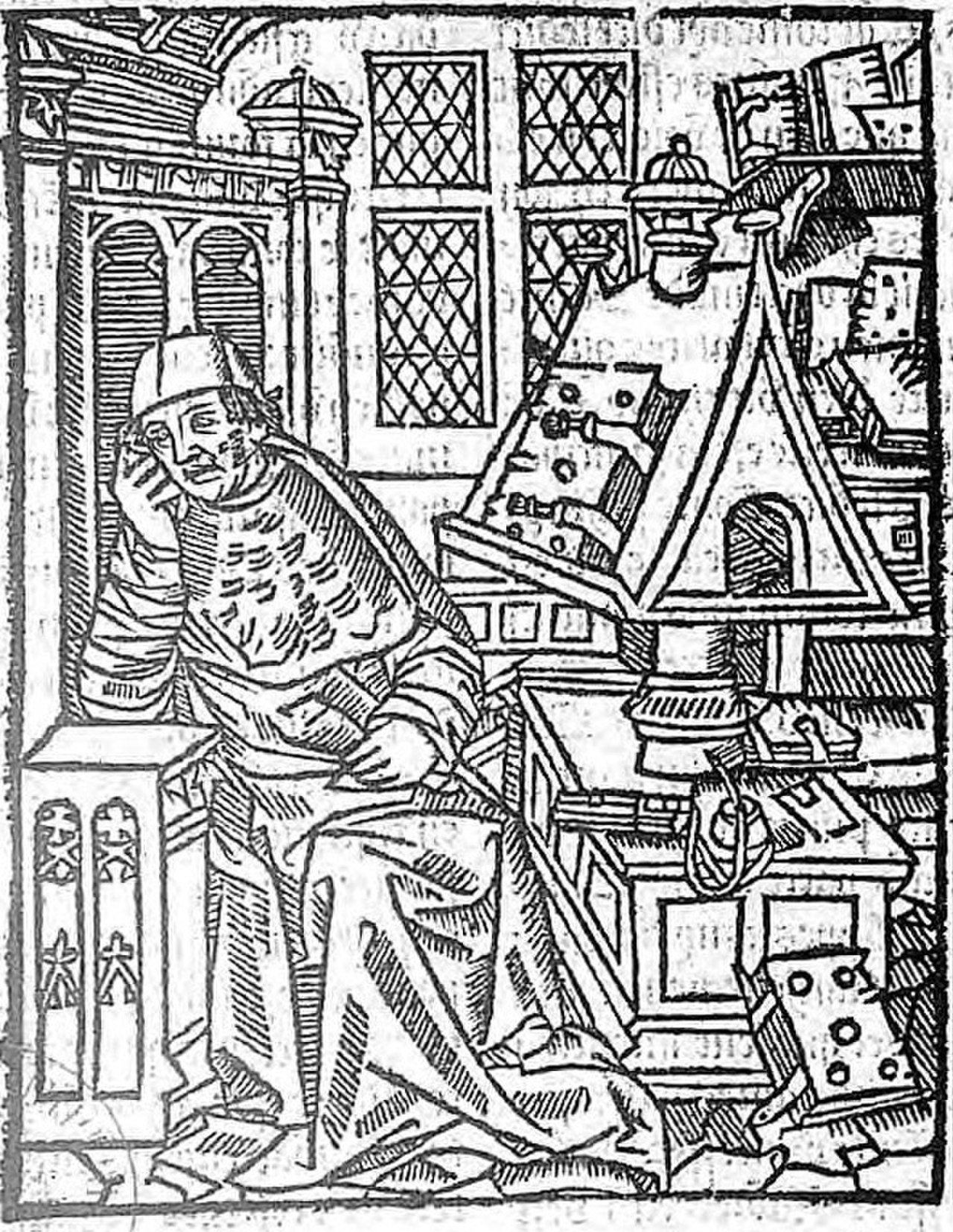
Chrétien de Troyes
The Genesis of Arthurian Romance
Chrétien de Troyes, active in the latter half of the 12th century, stands as a pivotal figure in the development of Western literature, particularly for his foundational contributions to the Arthurian legend. Working in Troyes, France, he was among the first to compose substantial vernacular romances centered on King Arthur and his knights, moving beyond earlier, more fragmented accounts. His works, such as 'Erec and Enide,' 'Cligès,' 'Lancelot,' 'Yvain,' and the unfinished 'Perceval,' were not mere retellings but sophisticated literary creations that explored complex themes of love, honor, adventure, and the human condition.
Chrétien's genius lay in his ability to weave together existing Celtic traditions with the emerging ideals of courtly love and chivalry, creating narratives that resonated deeply with the aristocratic audiences of his time. He elevated the romance genre from simple tales to intricate psychological portraits and moral explorations, setting a standard for subsequent generations of writers.
Crafting the Archetypes
Chrétien's enduring legacy is deeply intertwined with his creation and popularization of key archetypes that continue to define Arthurian literature. He is credited with significantly shaping the character of Lancelot, transforming him into the quintessential knight whose prowess in battle is matched only by his passionate, albeit illicit, love for Queen Guinevere. His portrayal of Perceval's quest for the Holy Grail introduced a spiritual dimension to Arthurian adventures, focusing on the knight's inner journey and moral development.
Furthermore, Chrétien was instrumental in popularizing the concept of chivalry, not just as a set of martial skills but as an ethical code encompassing loyalty, courtesy, justice, and protection of the vulnerable. His exploration of courtly love, often depicted as a powerful, transformative force that could inspire great deeds but also lead to profound conflict, added a layer of emotional complexity that was revolutionary for its time. These elements provided a rich tapestry for subsequent Arthurian narratives.
The Enduring Resonance
The influence of Chrétien de Troyes extends far beyond the medieval period, shaping the trajectory of Western literature for centuries. His romances were widely translated and adapted, serving as direct inspiration for works like the Vulgate Cycle and Sir Thomas Malory's 'Le Morte d'Arthur.' The archetypes he forged – the noble but flawed knight, the perilous quest, the idealized yet often tragic love – became enduring tropes in storytelling. Modern adaptations of Arthurian legends, from films and television series to novels and video games, continue to draw upon the narrative structures and character dynamics that Chrétien pioneered.
His work not only preserved and popularized the legends of King Arthur but also contributed significantly to the development of the novel as a literary form, demonstrating its capacity for complex characterization, thematic depth, and emotional resonance. Chrétien's contribution is fundamental to understanding the evolution of narrative art.
Patronage, Language, and the Art of the Vernacular
Chrétien de Troyes operated within a sophisticated courtly environment, likely supported by noble patrons such as Marie, Countess of Champagne, to whom he dedicated 'Lancelot.' This patronage was crucial, providing him with the resources and encouragement to pursue ambitious literary projects. His choice to write in Old French, rather than Latin, was a significant development. By composing his romances in the vernacular, Chrétien helped legitimize French as a language of high literature and contributed to the standardization of its literary form.
This accessibility allowed his stories to reach a broader audience within the aristocracy, fostering a shared cultural understanding and literary tradition. His mastery of poetic language, narrative structure, and character development showcased the potential of vernacular literature to engage with complex philosophical and emotional themes, marking a crucial step in the transition from oral traditions to written literary culture.
See also
Based on content from Wikipedia · Licensed under CC BY-SA 4.0