

Chocolate Syrup
Images

Gluten Free Chocolate Syrup Brownies




The Alchemy of Sweetness
Chocolate syrup, often referred to as chocolate sauce, is a sophisticated emulsion of cocoa solids, sweeteners, water, and various stabilizers or emulsifiers. The fundamental components are cocoa powder, which provides the characteristic chocolate flavor and color, and sugar, which offers sweetness and contributes to viscosity. Water acts as the solvent.
The perceived difference between 'syrup' and 'sauce' lies primarily in their rheological properties – their flow and texture. Thin syrups typically have a higher water-to-sugar ratio and may contain less cocoa, allowing them to be easily dispensed from a squeeze bottle for decorative drizzling. Thicker sauces, conversely, often have a higher sugar content, potentially a lower water content, and may include ingredients like corn syrup, modified starches, or gums (e.g., xanthan gum) to increase viscosity and stability.
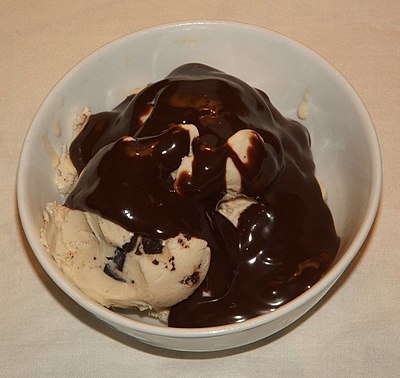
This controlled consistency is crucial for its application, whether it's coating ice cream, creating patterns on a plate, or blending smoothly into a beverage. The precise formulation dictates its mouthfeel, spreadability, and how it interacts with other food items.
From Novelty to Necessity
The evolution of chocolate syrup is intertwined with the broader history of chocolate consumption and food processing. While chocolate itself was revered for centuries, its transformation into a convenient, shelf-stable liquid condiment is a more recent development. Early forms of chocolate were often consumed as beverages, requiring significant preparation.
The advent of industrial chocolate production in the 19th century, coupled with advancements in sugar refining and preservation techniques, paved the way for products like chocolate syrup. Initially, it might have been a homemade concoction, but commercialization rapidly followed. Brands began to market pre-made syrups, simplifying dessert preparation and making chocolate flavor more accessible.
Its popularity surged with the rise of American diners and home kitchens, becoming a staple for milkshakes, ice cream sundaes, and as a quick flavor enhancer. This historical trajectory highlights a shift towards convenience and the democratization of indulgent flavors.
The Cultural and Culinary Significance of Chocolate Syrup
Chocolate syrup transcends its simple ingredients to hold significant cultural and culinary weight. It serves as a gateway to the complex world of chocolate for many, particularly children, fostering early positive associations with sweet flavors and celebratory foods. For culinary professionals, it's a versatile tool for both flavor enhancement and artistic presentation.
Chefs utilize its predictable consistency and rich flavor to add depth to desserts, beverages, and even savory dishes, employing techniques like artistic plating and controlled drizzling to elevate the dining experience. Beyond the professional realm, chocolate syrup represents nostalgia and comfort for many adults, evoking memories of childhood treats and simpler times. Its affordability and widespread availability make it a ubiquitous ingredient, symbolizing accessible indulgence and everyday culinary creativity.
This widespread appeal underscores its enduring importance in global food culture.
Applications and Innovations
In contemporary kitchens, chocolate syrup's applications are vast and continue to evolve. Its primary role remains as a topping and flavoring agent for desserts and beverages. It is integral to the creation of classic milkshakes and sundaes, providing both taste and visual appeal.
Beyond these staples, it's used to flavor coffee drinks, create chocolate-infused baked goods, and even as a component in sauces for more complex desserts like molten lava cakes. The food industry also leverages chocolate syrup in manufactured products, from breakfast cereals to pre-packaged desserts. Innovations in formulation are constantly emerging, focusing on healthier alternatives with reduced sugar, natural sweeteners, or enhanced cocoa profiles.
Furthermore, the rise of molecular gastronomy has seen chefs experiment with chocolate syrup in novel ways, exploring its textural properties and potential for creating unique sensory experiences, demonstrating that this humble condiment still has room for innovation and discovery.
The Science of Sweetness
The scientific principles behind chocolate syrup are rooted in colloid chemistry and food science. The suspension of cocoa solids within a sugar-water matrix is key. Sugar not only provides sweetness but also acts as a humectant, helping to retain moisture and prevent the syrup from drying out.
It also increases the viscosity by interfering with water molecule movement. Stabilizers and emulsifiers, such as lecithin (often derived from soy or sunflower), are crucial for preventing the cocoa solids from settling and ensuring a homogenous mixture. These compounds have both water-attracting and fat-attracting properties, bridging the gap between the aqueous phase and the cocoa particles.
The Maillard reaction, a complex chemical process between amino acids and reducing sugars, can occur during heating, contributing to the development of richer, more complex flavor notes in some formulations. Understanding these scientific underpinnings allows for the precise control of texture, flavor, and shelf-life, making chocolate syrup a well-engineered food product.
See also
Frequently Asked Questions
What is chocolate syrup made of?+
Why is chocolate syrup thinner than chocolate sauce?+
How did chocolate syrup become popular?+
Where can chocolate syrup be used?+
Why do people love chocolate syrup?+
Based on content from Wikipedia · Licensed under CC BY-SA 4.0