

The Chinese Exclusion Act
Images

Blanche K. Bruce


Genesis of Exclusion
The Chinese Exclusion Act of 1882 was not an isolated incident but the culmination of escalating anti-Chinese sentiment fueled by a complex interplay of economic anxieties and racial prejudice. During the mid-19th century, waves of Chinese immigrants, many fleeing famine, war, and political upheaval in China, arrived in the United States, particularly drawn by the California Gold Rush and subsequent labor demands like the transcontinental railroad.
Initially tolerated, their presence became a target as economic downturns, such as the Panic of 1873, intensified competition for jobs. Labor leaders and politicians, notably Denis Kearney and Governor John Bigler, strategically scapegoated Chinese laborers, or 'coolies,' for depressed wages and economic hardship. This narrative was amplified by pervasive racist stereotypes in media and public discourse, portraying Chinese immigrants as racially inferior and a threat to American society and culture.
The Page Act of 1875, which banned the immigration of Asian women perceived as prostitutes, further solidified discriminatory practices, setting the stage for a more comprehensive exclusion.
Legislative Battle and Legal Ramifications
The path to the Chinese Exclusion Act was fraught with legislative debate and presidential vetoes. Early attempts to ban Chinese immigration at the state level were often overturned by courts citing treaty obligations. Nationally, Congress passed exclusion bills that were vetoed by Presidents Hayes and Arthur, who recognized the breach of treaties like the Burlingame Treaty of 1868, which had initially allowed for unrestricted immigration.
However, political pressure, particularly from West Coast states during election years like 1876, compelled both major parties to adopt anti-Chinese platforms. The Angell Treaty of 1880, which allowed the U.S. to 'suspend' immigration, paved the way for the 1882 act, which prohibited Chinese laborers for ten years. The law's impact was devastating: it denied citizenship to Chinese already in the U.S., prevented family reunification, and required returning emigrants to carry certificates of reentry, which were often difficult to obtain.
The Supreme Court, in cases like Chae Chan Ping v. United States (1889), upheld the government's power to exclude foreigners, framing it as an inherent aspect of national sovereignty, thus solidifying the legal basis for exclusion.
The Enduring Legacy and Societal Impact
The Chinese Exclusion Act's significance extends far beyond its immediate effects. It established a dangerous precedent as the first U.S. law to prohibit immigration based solely on nationality and race, creating a blueprint for future discriminatory policies like the Immigration Act of 1924. This 'gatekeeping ideology' profoundly shaped American immigration policy for decades, fostering a climate where racial and ethnic groups could be 'radicalized' as undesirable.
The act led to a significant decline in the Chinese population in the U.S., with many forced to live in segregated enclaves like Chinatowns. The period following the act also saw violent 'driving out' incidents, such as the Rock Springs and Hells Canyon massacres, underscoring the deep-seated hostility faced by Chinese communities. Despite its repeal in 1943, driven by wartime alliances, the law's discriminatory framework left a lasting scar on U.S.-China relations and continues to inform discussions about immigration, race, and national identity today.
The formal apologies issued by the House of Representatives and Senate in the 2010s acknowledge the historical injustice, but the echoes of exclusion remain relevant in contemporary debates.
Circumvention, Resistance, and Eventual Repeal
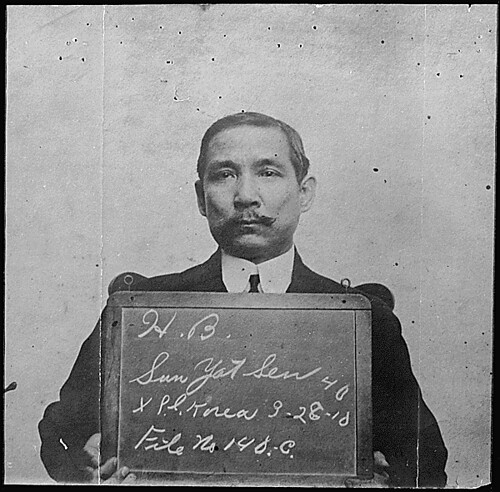
Despite the stringent nature of the Chinese Exclusion Act and its subsequent renewals and expansions (like the Geary Act of 1892 and the permanent extension in 1902), Chinese immigrants and their allies found numerous ways to resist and circumvent its provisions. The concept of 'paper sons' emerged, where individuals falsely claimed familial relationships to gain entry, often facilitated by intermediaries. Women would travel to Canada or Mexico to marry, thereby qualifying for entry under different provisions.
Some individuals would intentionally seek arrest at ports of entry to challenge their exclusion in court, hoping to prove birthright citizenship, as famously established in United States v. Wong Kim Ark (1898), which affirmed that U.S.-born children of Chinese immigrants were citizens. The act's economic impact was also significant, leading to boycotts of American goods in China and prompting Chinese merchants to lobby for exemptions.
The eventual repeal in 1943, through the Magnuson Act, was largely a strategic move during World War II, recognizing China as an ally. However, the quota remained minuscule (105 immigrants per year), and it wasn't until the Immigration and Nationality Acts of 1952 and 1965 that direct racial barriers to immigration were truly dismantled, allowing for more substantial Chinese immigration.
Go deeper
Frequently Asked Questions
What was the Chinese Exclusion Act?+
Why did the Chinese Exclusion Act happen?+
How did the Chinese Exclusion Act affect Chinese families?+
When was the Chinese Exclusion Act repealed?+
Are there still rules like the Chinese Exclusion Act today?+
Based on content from Wikipedia · Licensed under CC BY-SA 4.0