

Chicken Tikka
Images

Homemade chicken tikka masala



The Genesis and Evolution of Chicken Tikka
Chicken tikka, a dish celebrated for its vibrant flavors and tender texture, has a rich lineage rooted in the culinary landscape of the Indian subcontinent. The term 'tikka' itself, derived from Persian, meaning 'bits' or 'pieces,' accurately describes the dish's presentation. It is widely understood as a boneless adaptation of tandoori chicken, a dish traditionally cooked in a cylindrical clay oven (tandoor) at very high temperatures.
This evolution likely occurred to make the chicken more accessible and easier to eat, particularly in a restaurant setting. The marination process is central to its identity. Chicken pieces are immersed in a mixture primarily composed of dahi (yogurt) and a complex blend of spices.
Yogurt's lactic acid acts as a potent tenderizer, breaking down the protein fibers in the chicken, while its tanginess provides a base for the spice profile. This marinade is not merely for flavor but is integral to achieving the signature succulence. The cooking method, traditionally over charcoal or in a tandoor, imparts a characteristic smoky aroma and a slight char, enhancing the overall sensory experience.
The Kashmiri variant, specifically grilled over red-hot coals, further illustrates the diverse regional interpretations and the emphasis on direct heat.
The Alchemy of Flavor
The creation of exceptional chicken tikka is a testament to culinary precision, involving a meticulous marination and cooking process. The initial step involves selecting boneless chicken, typically thigh or breast meat, cut into uniform pieces to ensure even cooking. This is followed by the critical marination phase.
The yogurt base, often strained for a thicker consistency, is infused with a carefully balanced array of spices. Common components include turmeric for color, ground cumin and coriander for earthy depth, ginger and garlic pastes for pungency, garam masala for warmth, and chili powder for heat. The duration of marination can range from a few hours to overnight, allowing the flavors to penetrate deeply and the yogurt to work its tenderizing magic.
Cooking is typically done over high heat, either on skewers (seekh) placed over a brazier (angeethi) or directly on charcoal. This intense heat sears the exterior, creating a flavorful crust while keeping the interior moist. During the cooking process, ghee (clarified butter) is often brushed onto the chicken pieces.
Ghee's high smoke point and rich flavor add an extra layer of indulgence and help prevent sticking, contributing to the dish's glossy appearance and enhanced taste. The continuous fanning mentioned in some descriptions likely refers to managing the heat and ensuring even cooking without burning.
Cultural Resonance and Global Culinary Impact
Chicken tikka holds a significant place in the cultural fabric of the Indian subcontinent and has transcended geographical boundaries to become a global culinary phenomenon. Its widespread popularity among the South Asian diaspora has cemented its status as a representative dish in international Indian cuisine. The dish is a cornerstone of Punjabi cuisine, reflecting the region's rich gastronomic heritage and its mastery of spice and grilling techniques.
Beyond its direct consumption, chicken tikka serves as the foundational element for arguably its most famous derivative, chicken tikka masala. This adaptation, believed to have originated in the United Kingdom, has achieved such widespread acclaim that it is often cited as a national dish, illustrating the dynamic nature of culinary evolution and fusion. The dish's presence in countries like Afghanistan, where it is prepared with less spice and can incorporate beef or lamb, highlights its adaptability and how it integrates into diverse food cultures.
This global reach underscores chicken tikka's role not just as food, but as a cultural bridge, fostering understanding and appreciation of different traditions through shared culinary experiences.
Serving Traditions and Modern Interpretations
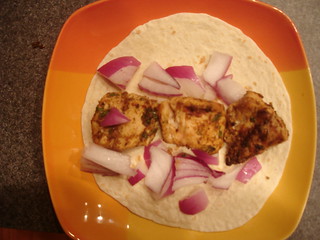
The presentation and consumption of chicken tikka offer a rich tapestry of traditional and contemporary practices. Classically, it is served hot, often accompanied by a trio of accompaniments: a vibrant green coriander chutney, providing a fresh, herbaceous counterpoint; a tangy tamarind chutney, offering a sweet and sour zest; and thinly sliced onion rings, which add a crisp, pungent element. A squeeze of fresh lemon juice is almost always recommended to brighten the flavors.
A popular modern serving style is the 'sizzler,' where the chicken tikka is presented on a preheated cast-iron platter, often alongside sizzling onions, creating a dramatic visual and aromatic effect upon arrival at the table. This method enhances the dining experience through sensory engagement. While the Indian subcontinent's versions are celebrated for their bold spice profiles, international adaptations demonstrate significant variation.
The Afghan iteration, for example, is notably milder and can utilize different proteins, showcasing how the dish adapts to local palates and ingredient availability. This versatility ensures chicken tikka remains relevant and beloved across a wide spectrum of culinary preferences and traditions, from its humble origins to its status as a celebrated international dish.
See also
Frequently Asked Questions
What is chicken tikka?+
Why is it called tikka?+
How do you marinate chicken tikka?+
How is chicken tikka cooked?+
Where does chicken tikka come from?+
Based on content from Wikipedia · Licensed under CC BY-SA 4.0