

Chevrolet Chevelle
Images
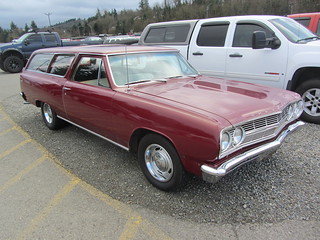
Chevelle 300 two door wagon


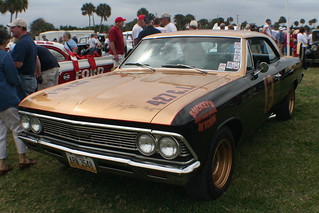
The Genesis of a Mid-Size Powerhouse
The Chevrolet Chevelle emerged in 1964 as Chevrolet's answer to the burgeoning mid-sized car market, a segment that offered a compelling balance of size, comfort, and performance. Positioned on the versatile GM A-body platform, the Chevelle was engineered to be a chameleon, adaptable to various consumer needs and desires. Its initial design philosophy focused on providing a practical yet stylish vehicle that could serve as a family car while also offering the potential for spirited driving.
The range of body styles available from its inception-coupes, sedans, convertibles, and station wagons-underscored this adaptability, allowing buyers to select a Chevelle that best suited their lifestyle. This broad appeal was a key factor in its immediate success and its ability to become one of Chevrolet's most enduring and celebrated nameplates throughout its production run.
Evolution Through Generations and Performance Peaks
The Chevelle's journey spanned three distinct generations, each bringing subtle refinements and performance enhancements. The 'Super Sport' (SS) variants, particularly the SS 396 and later the SS 454, became synonymous with muscle car prowess. These models were not merely cosmetic upgrades; they featured potent V8 engines, reinforced chassis components, and performance-oriented suspension systems, cementing the Chevelle's reputation as a formidable contender in the performance car arena.
The introduction of the El Camino as part of the Chevelle lineup in 1964 also showcased the platform's versatility, blending the utility of a pickup truck with the styling and drivability of a car. The Malibu designation evolved from a trim level to the primary model name by the end of the Chevelle's run, indicating its prominence within the lineup and its eventual succession in the redesigned 1978 model year.
Cultural Significance and Market Dominance
The Chevrolet Chevelle's significance extends beyond its sales figures; it represents a pivotal era in American automotive history. It captured the spirit of the 1960s and early 1970s, a time when personal expression through automobiles was paramount. The Chevelle offered a tangible connection between everyday life and the thrill of performance driving.
Its widespread popularity made it a common sight on American roads, contributing to its iconic status. The fact that it remained a top seller for Chevrolet for over a decade speaks volumes about its engineering, design, and marketing success. The Chevelle wasn't just a car; it was a cultural touchstone, reflecting the evolving tastes and aspirations of American consumers during a dynamic period of automotive development.
Global Reach and Regional Adaptations
While primarily an American success story, the Chevelle's influence and presence were felt beyond U.S. borders. The Canadian market, for instance, saw a unique iteration of the Chevelle known as the Beaumont. Produced by GM of Canada from 1964 to 1969, the Beaumont featured distinct styling cues, such as a Pontiac-inspired grille and interior elements borrowed from the Pontiac LeMans.
This regional adaptation highlights Chevrolet's strategy of leveraging its platforms across different brands and markets, tailoring vehicles to local preferences and regulatory environments. Such variations demonstrate the global reach of American automotive design and engineering, even if under different branding, and underscore the Chevelle's foundational role in GM's broader product strategy.
The Chevelle's Lasting Legacy and Influence
Although the Chevrolet Chevelle ceased production after the 1977 model year, its legacy continues to resonate within automotive culture. It remains a highly sought-after classic car, cherished by collectors and enthusiasts for its timeless design, powerful performance options, and its embodiment of a golden age of American automotive engineering. The Chevelle's impact can be seen in subsequent Chevrolet models that aimed to recapture its blend of performance and everyday usability.
Its enduring popularity in restoration projects and classic car shows is a testament to its iconic status. The Chevelle represents more than just a mode of transportation; it is a symbol of automotive freedom, performance, and a significant chapter in the history of American car manufacturing.
See also
Frequently Asked Questions
What is the Chevrolet Chevelle?+
Why were the Chevelle SS 396 and SS 454 special?+
How many generations of the Chevelle were there?+
What was the El Camino?+
Did the Chevelle exist outside the United States?+
Based on content from Wikipedia · Licensed under CC BY-SA 4.0