

Champs-Élysées: Paris's Most Famous Street!
Images
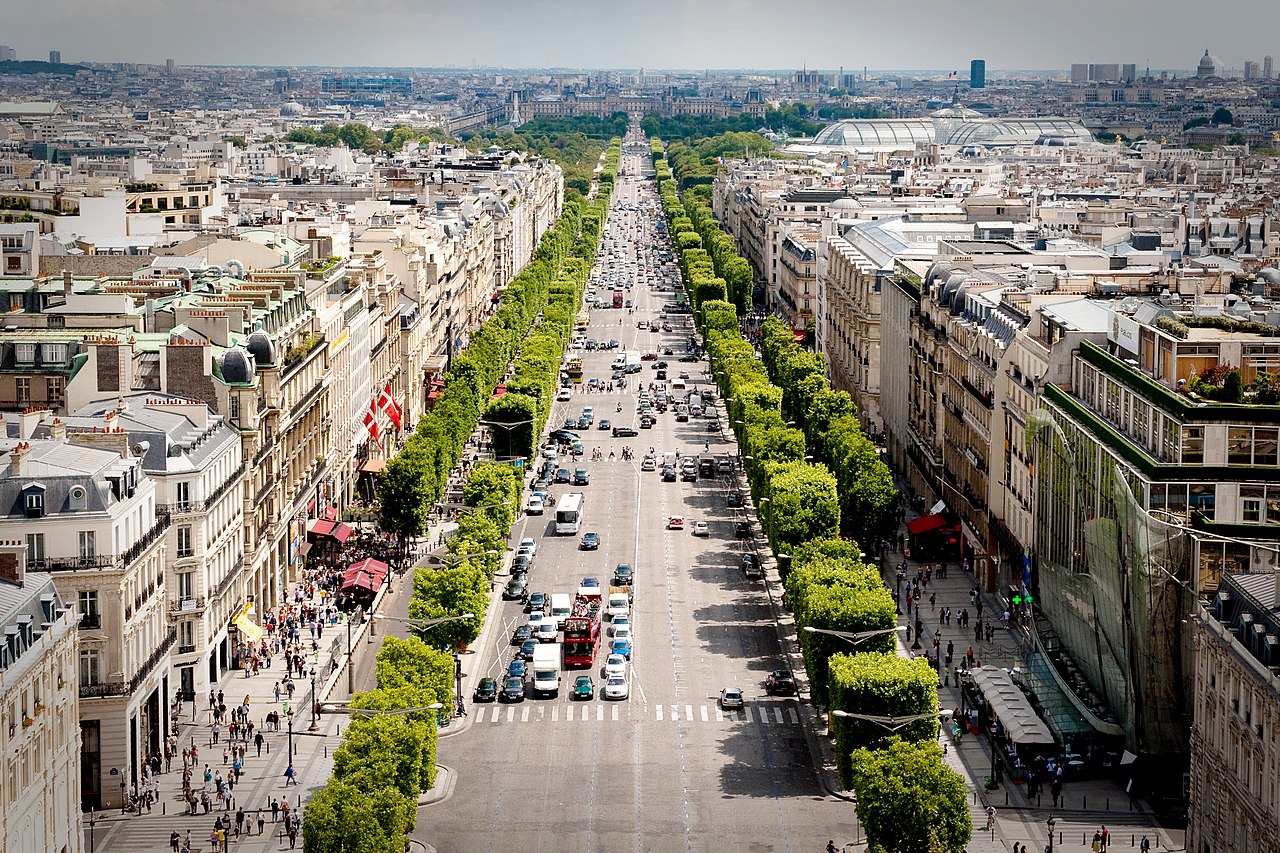
Avenue Des Champs ÉLyséEs July 24, 2009 N1


From Royal Hunting Grounds to a Grand Urban Axis
The Champs-Élysées' journey from a rural landscape to a global icon is a testament to urban planning and evolving societal needs. Initially, in the 17th century, it was conceived as a grand garden promenade extending from the Tuileries Palace, designed by André Le Nôtre, the landscape architect of Versailles. This vision was later expanded, transforming it into a majestic avenue.
Its strategic alignment, connecting the Louvre Palace (and later the Arc de Triomphe) to the west, created a powerful visual axis that has shaped Parisian identity. The avenue's development reflects shifts in French history, from royal grandeur to public spectacle, becoming a central artery of the city's prestige and a canvas for national narratives. Its very structure, a long, wide expanse, was designed for impressive processions and public gatherings, cementing its role as a symbolic space.
The Avenue as a Stage for National Identity and Celebration
The Champs-Élysées functions as a potent symbol of French national identity, serving as the primary stage for major public celebrations and commemorations. The annual Bastille Day military parade, a grand display of military might and national unity, culminates at the Place de la Concorde, reinforcing the avenue's role as a site of patriotic fervor. Similarly, the triumphant finish of the Tour de France cycling race here transforms the avenue into a vibrant spectacle of athletic achievement and popular enthusiasm.
Beyond these official events, it has also been a focal point for national mourning and protest, demonstrating its deep integration into the collective consciousness of the French people. Its transformation into a dazzling Christmas wonderland further underscores its cultural importance as a place of shared joy and collective experience.
A Global Hub of Luxury Commerce and Cultural Exchange
Economically, the Champs-Élysées stands as one of the most prestigious and expensive commercial addresses in the world. It is synonymous with high-end retail, attracting global luxury brands that vie for flagship store locations along its length. This concentration of wealth and commerce creates a unique atmosphere, drawing millions of tourists annually who come to experience its glamour and shop for exclusive goods.
Beyond retail, the avenue hosts numerous theaters, cinemas, and cafes, contributing to its vibrant cultural landscape. This blend of luxury commerce and cultural institutions makes it a dynamic economic engine for Paris, influencing global trends in fashion, retail, and urban tourism. The avenue's enduring appeal lies in its ability to seamlessly merge historical grandeur with contemporary commercial success.
Mythological Resonance and Enduring Allure
The very name, Champs-Élysées, derived from the Greek mythological 'Elysian Fields'-the paradise for heroes-imbues the avenue with a profound sense of destiny and idealized beauty. This ancient resonance elevates it beyond a mere thoroughfare to a place of aspirational significance. Its description as the 'most beautiful avenue in the whole world' is not hyperbole but a reflection of its meticulously designed urban landscape, its historical weight, and its continuous reinvention.
The avenue's enduring allure stems from this potent combination of historical depth, mythological symbolism, architectural grandeur, and its role as a vibrant center of Parisian life, commerce, and celebration, making it a truly iconic global landmark.
Governance and Urban Development of a Parisian Icon
As a central artery within Paris, the Champs-Élysées falls under the direct governance of the City of Paris, specifically managed by the 8th arrondissement's local administration in conjunction with broader city planning initiatives. Its development and maintenance are subject to strict urban planning regulations designed to preserve its historical character and prestige while accommodating modern needs. Decisions regarding traffic flow, public space usage, event permits, and the types of businesses allowed are carefully considered to uphold its status.
The avenue's unique position as a national monument and a prime commercial zone necessitates a delicate balance between preserving heritage, facilitating economic activity, and ensuring public access and enjoyment. This complex governance ensures that the Champs-Élysées continues to function as both a vital urban space and a cherished symbol of French culture and history.
See also
Frequently Asked Questions
What is the Champs-Élysées?+
Why is the Champs-Élysées important for celebrations?+
How did the Champs-Élysées start?+
What kinds of stores can you find on the Champs-Élysées?+
What does the name Champs-Élysées mean?+
Based on content from Wikipedia · Licensed under CC BY-SA 4.0